Welcome

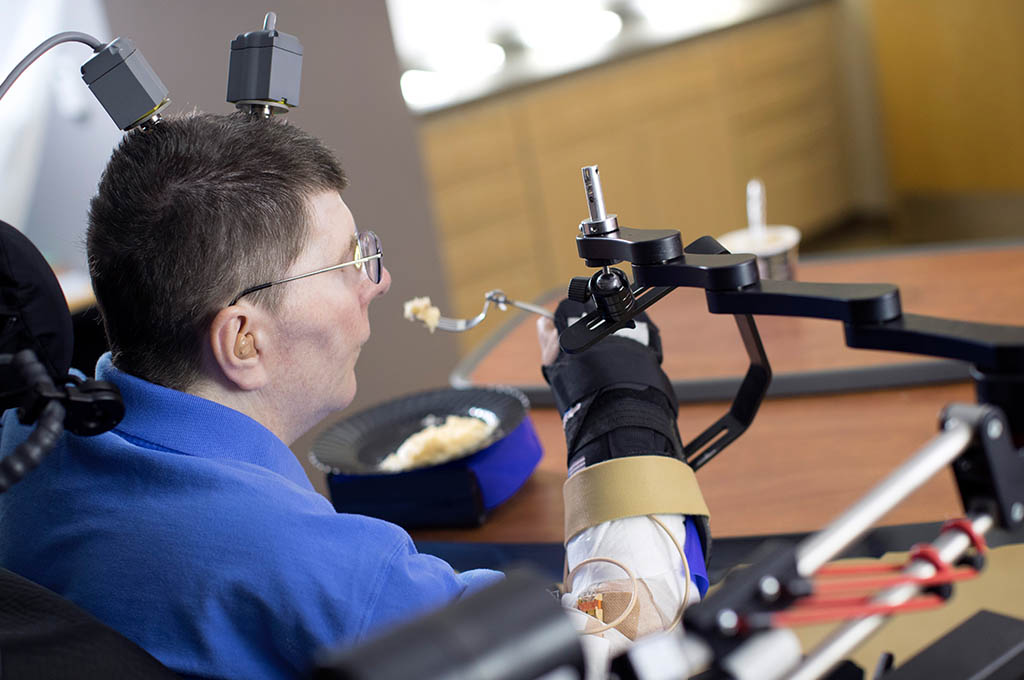
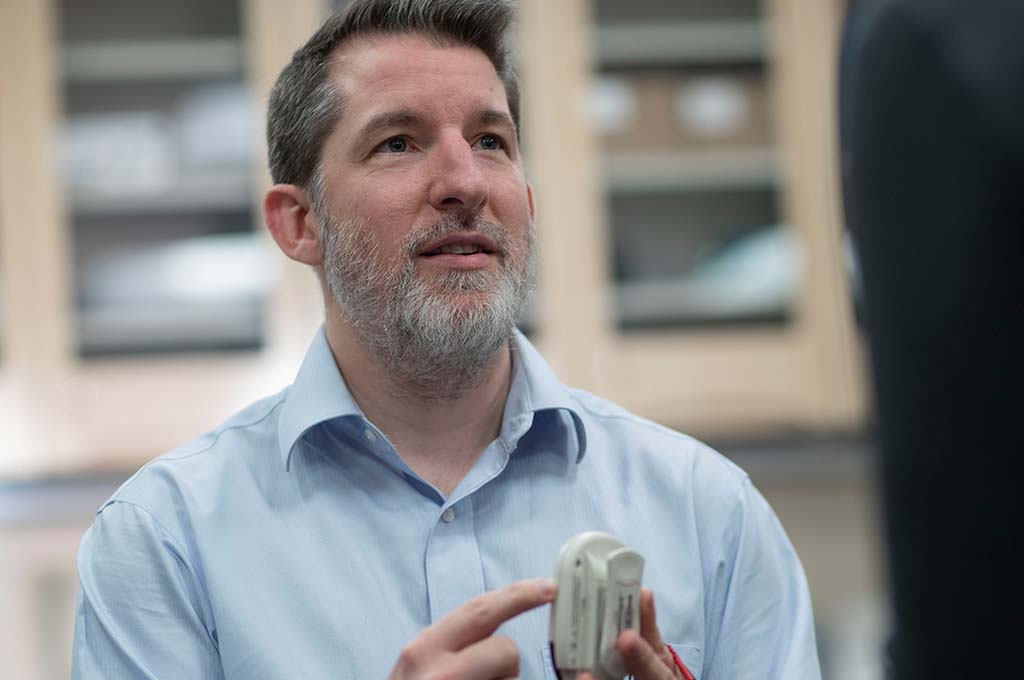
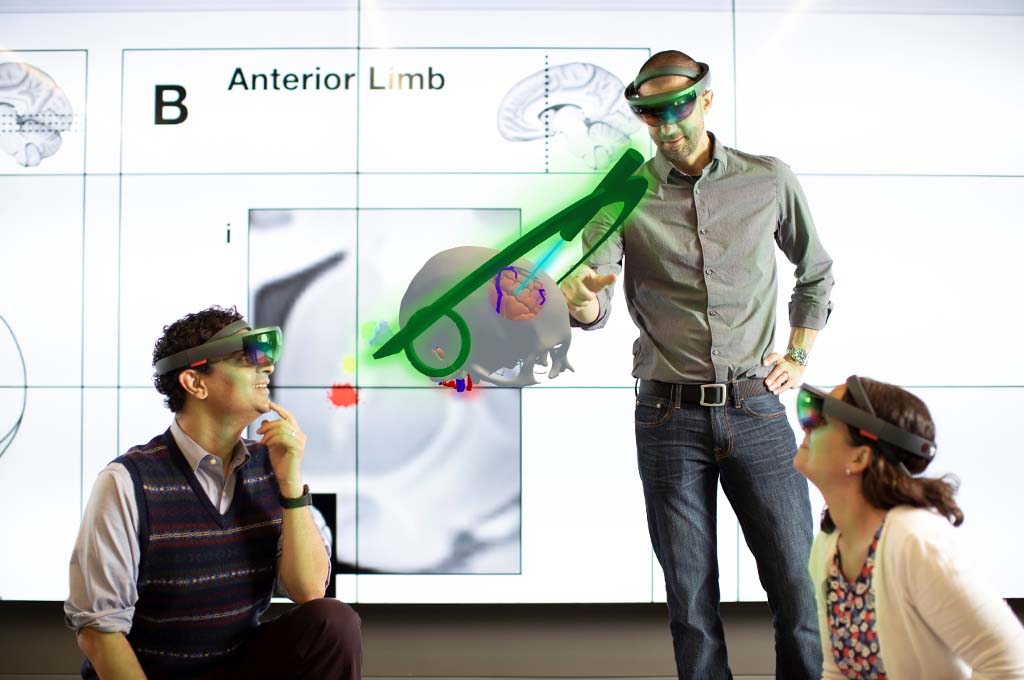
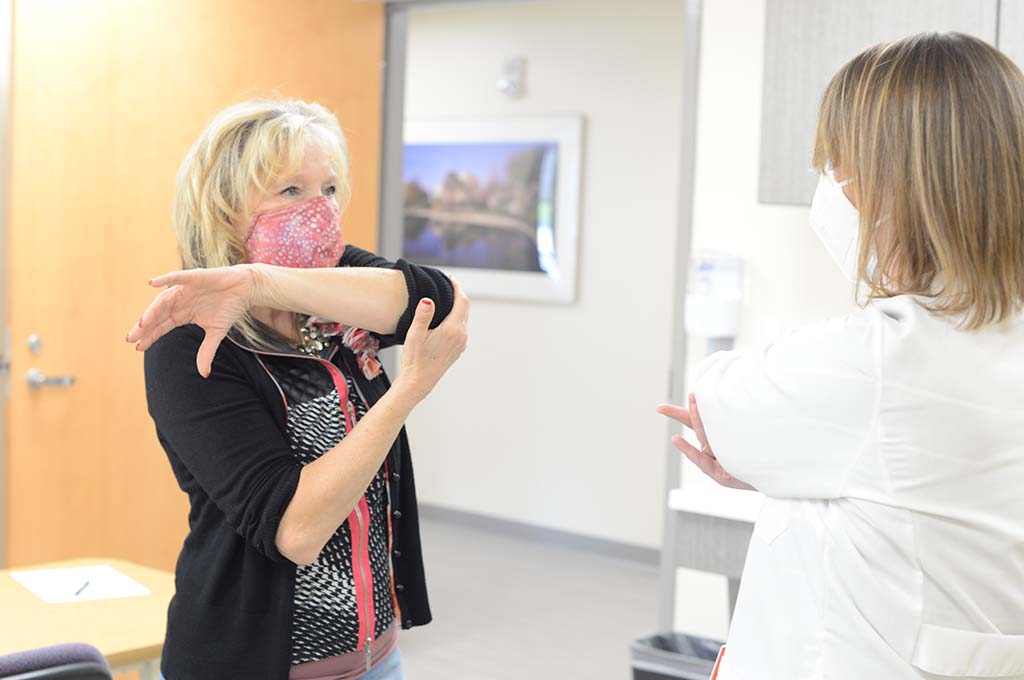
Established in 1991, the FES Center is a consortium with three institutional partners: Cleveland VA Medical Center (CVMAC), the private educational institution of Case Western Reserve University (CWRU), and the public hospital system of MetroHealth Medical Center (MHMC). Read more...


Follow the journey of Jen French, Cleveland FES Center research participant, in her "Stand by Me" journal. Jen participates in the Stand & Transfer Program for Spinal Cord Injury and will receive an upgraded FES system for trunk control and stand/transfer.

This site will contain journal entries from Jen during her pre-surgical preparation, surgery, recovery and rehabilitation with intermittent comments from the clinical team clarifying Jen's progress and experience.

Although this site is hosted by the Cleveland FES Center, Jen's Journal is her own.

Jen's journey begins...

The Current Standing System

July 27, 2010

The questions have surfaced: Why a new system? What will the new system do? To answer these questions, let's first establish the baseline. What is the system that I currently use?

The first generation of the Stand and Transfer system is really a hybrid system consisting of implanted components and external components. In the world of medical science, we have been implanting devices into humans for decades; like the heart pacemaker or the spinal cord stimulator. Additionally, external electrical stimulation has a long history of applications to the muscles. For spinal cord injury (and other forms of paralysis such as stroke or cerebral palsy) FES cycling uses electrodes placed on the surface of the skin activating muscles in a cycling motion. The Stand and Transfer system that I have has electrodes and a receiver that are surgically implanted and an external control unit and transmitting coil.

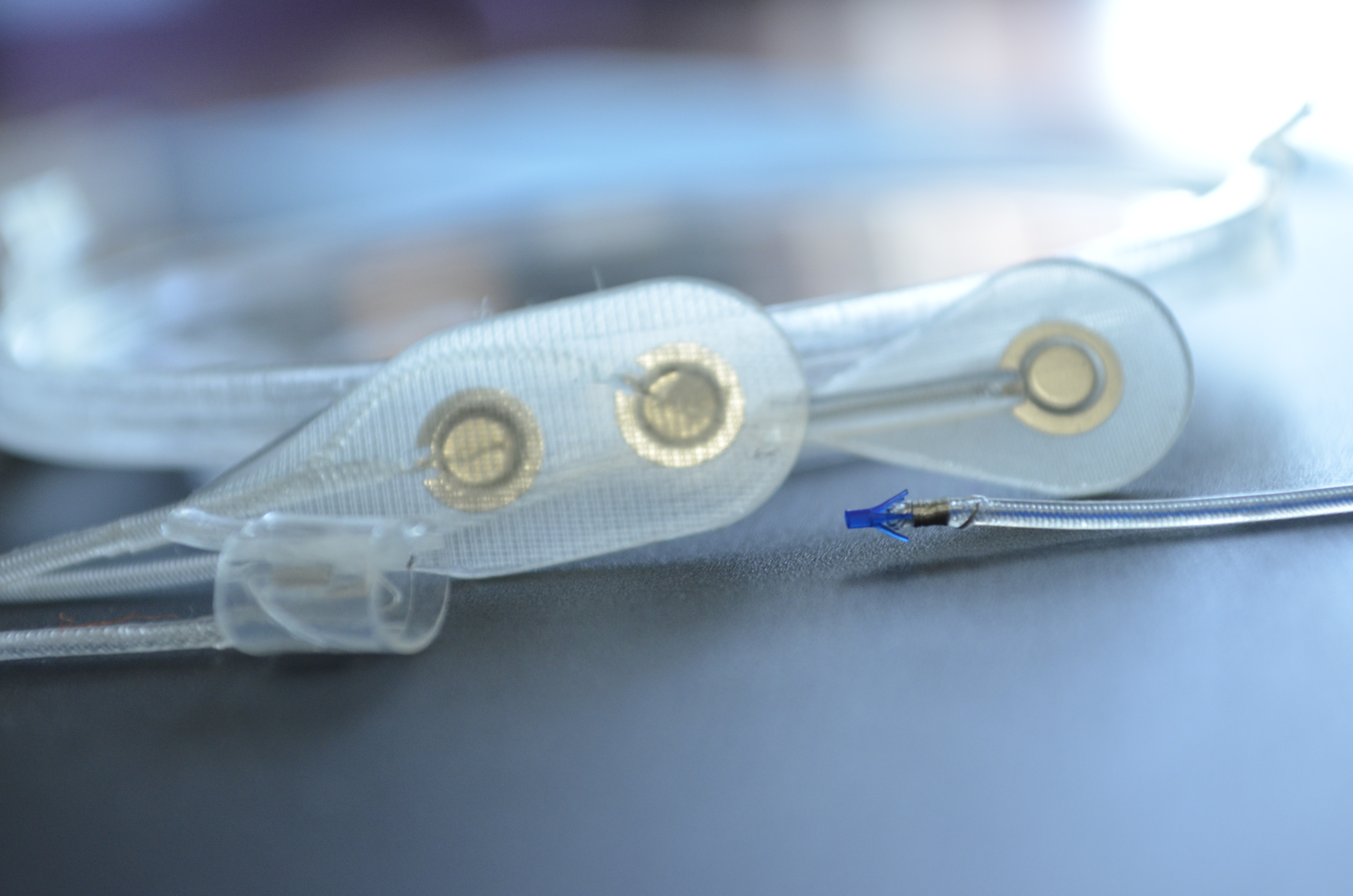
The system has eight channels; in this context one channel for each electrode (see the included diagram of the system). The implanted components include electrodes (intramuscular and epimysial) implanted deep into the muscle tissue. They were carefully placed by the research team mainly where the peripheral nerve innervates the muscle. These electrodes are placed in the quadriceps, hamstrings, gluteus maximus and the lower back. It is bilateral meaning there is a set for the right side of the body and the left. From each electrode extends a small, stretchy wire. These wires are tunneled through the fatty tissue up to the left hip area where they connect to the implanted receiver. This receiver is sutured to the tissue under the skin and connects to all the electrodes, like a hub. All of these pieces are fully implanted into the body. The external components consist of a coil which is taped to the skin over the receiver and an external control unit that is about the size of a small cable modem. The external control unit is the "brain" of the system. It holds the circuit boards and the power source for the system. When activated, the control unit sends messages via high radio frequency through the coil to the implanted receiver. The receiver decodes the message and sends signals to the electrodes activating the electrodes and stimulating the muscles to fulfill the given function.

The current system has several functions from which the user may choose. Of course, it allows for activation of muscles to stand with a walker. It has other useful functions, as well. Leg lift exercises build the quads. "Extends all" activates all the muscles on for 10 seconds and off for 10 seconds for a patterned duration of an hour; building endurance fibers in the muscles and helping to reduce spasticity. The users of the system have suggested alternative functions not included in the original design. (Take note researchers: users have ideas of our own). Wanting more trunk control in our wheelchairs, there is now an option to activate the back and glut electrodes. An easy pressure release consists of a function to alternatively activate the gluts, hams and back electrodes. The system is dynamic yet simple. Personally, as a user, it has been integrated into my daily life and is an easy alternative to the wheelchair.

This is the baseline from which we will build the coming upgrade.


First Entry

July 19, 2010

Twelve years ago I sustained a spinal cord injury from a snowboarding accident. This accident left me a quadriplegic. To say the least, it was life changing.

Eleven of those years post-injury, I have been using a stand and transfer neural prosthesis. This is an experimental device and I am the first woman to receive such a system. It consists of implanted electrodes to my paralyzed muscles and an external control device. Using this device on a daily basis has afforded me the ability to keep the paralyzed muscles healthy while combating medical complications common among people living with spinal cord injury such as pressure sores, spasticity and muscle atrophy. The FES system has given me alternatives to my wheelchair by enabling me to move around short distances with a walker. I have had unique experiences with the system which would be considered 'impossible' upon my initial diagnosis: the ability to stand at the seventh inning stretch, standing to hug a loved one and walking down the aisle at our wedding. I have integrated this technology into my daily life and have become accustom to its benefits.

It is now time for an upgrade. This is not as simple as upgrading your cell phone or computer. This is upgrading an implanted device. It will require hours of exercise, therapy and a lengthy surgical procedure. On August 30, 2010, a talented team at the Cleveland FES Center will implant the upgraded system. The surgery is expected to take seven hours with six weeks of recovery followed by rehabilitation and testing. The process should take about one year and this journal will chronicle the experience. In preparation for the surgery, in July I will begin a four hour daily exercise protocol. This again will be an experimental procedure in which several researchers will monitor my progress.

This will be an exciting advancement in medical research for people living with spinal cord injury. Join me on this journey.


In the News

July 6, 2010

Neuros Medical Awarded $1.5 million from U.S. Department of Defense

Neuros Medical Awarded $1.5 million from U.S. Department of Defense

CLEVELAND — Neuros Medical, Inc., a medical device company announced today they have received notification of award for $1.5 million from the U.S. Department of Defense. The Applied Research and Technology Development Award was provided by the Defense Medical Research and Development Program (DMRDP).

More

June 10, 2010

Building Function, Building Hope: Orthotic Management of Pediatric Spinal Cord Injury

Building Function, Building Hope: Orthotic Management of Pediatric Spinal Cord Injury

Life, as they say, can turn on a dime. One of the everyday pleasures in a child's life—a car trip, school football game, or bounce on a trampoline—can end with a disastrous snap. Partial or complete spinal cord injury (SCI) currently affects as many as 63,000 American children, according to the Christopher & Dana Reeve Foundation, with consequences that can begin with neural deficit or paralysis and extend to a lifetime of secondary medical problems.

More

May 3, 2010

Crain's Health Care Heroes Finalist: Chester Ho, MD

Crain's Health Care Heroes Finalist: Chester Ho, MD

An independent panel of judges reviewed more than 100 nominations this year as part of the selection process for the 2010 Health Care Heroes awards. The judges took into account nominees' leadership, approach to health care and philanthropy/community service in selecting this year's 27 finalists. And while the region as a whole is known for its strength in the health care field, individuals and organizations like those selected by the judges are the ones working and advancing the sector.

More