
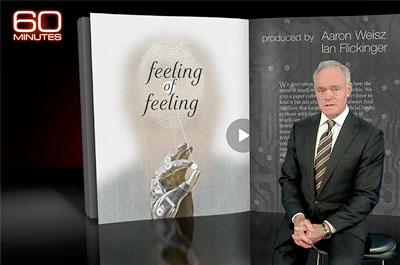
How advancements in prosthetic technology allows feeling, control| 60 Minutes For anyone who may have missed the live version, check out the story that aired on CBS News’ 60 Minutes featuring the...
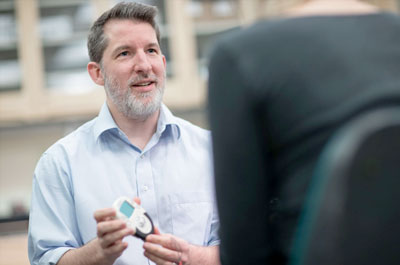
Jayme Knutson, PhD, is even keeled and analytical as he describes his research as an FES investigator — until he reaches the topic of translating his work to a...
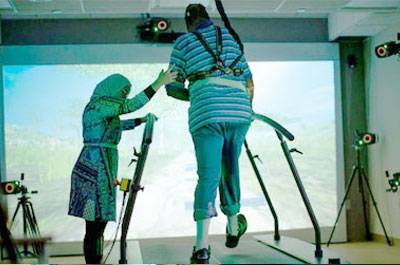
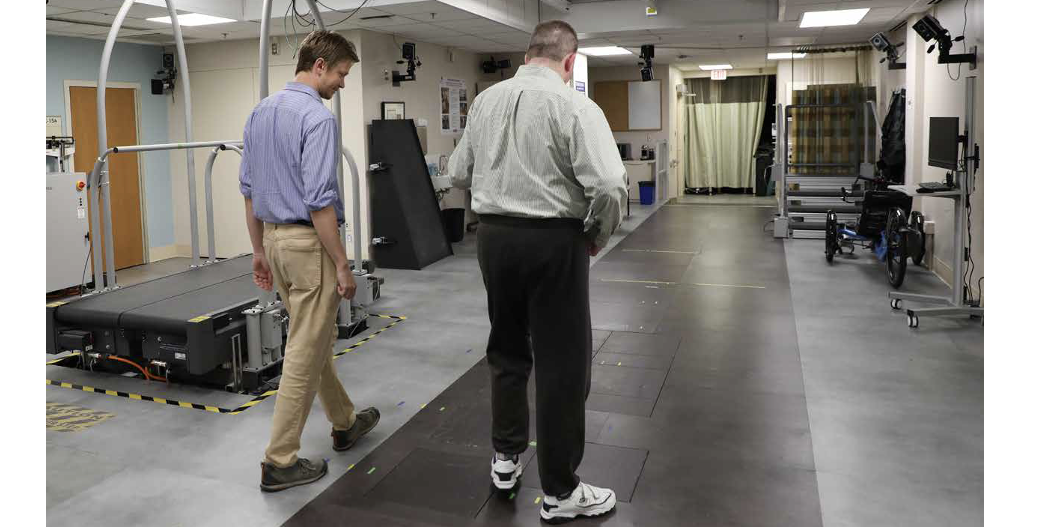
Robert Buckwald strides with purpose and determination into a therapy room at the FES Center’s Brain Plasticity and NeuroRehabilitation Lab in Cleveland. He drags his left leg slightly, the...

The topic is not often mentioned at the dinner table or boardroom, but for those with spinal cord injury (SCI) or lower body paralysis, the ability to go to...
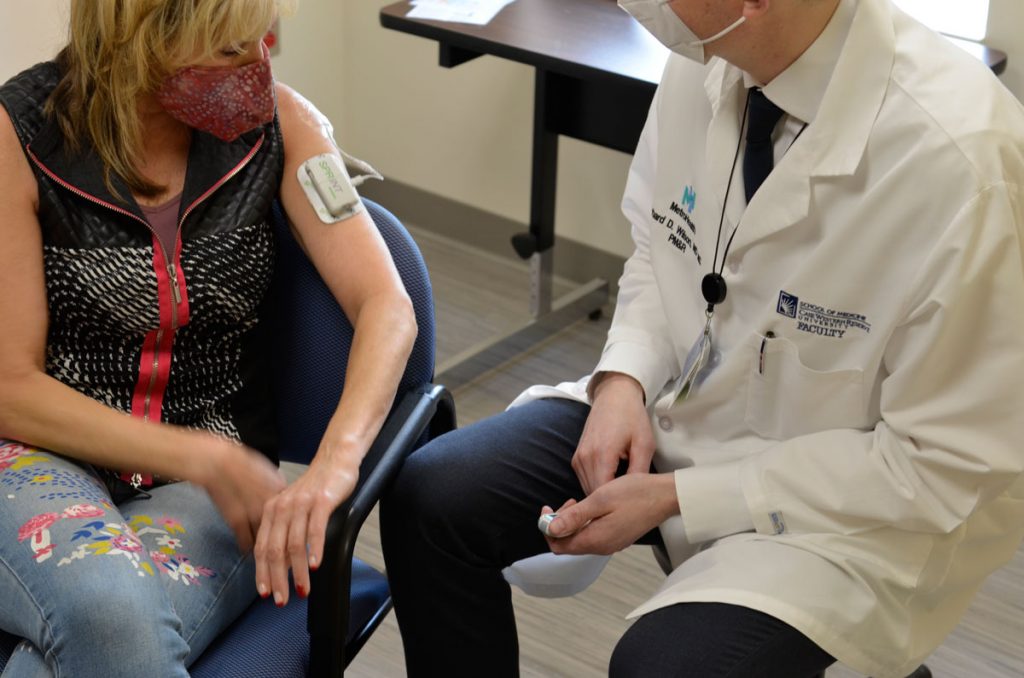
Melissa Riccio knew she was in dire circumstances late last summer when chronic pain in her left shoulder kept her from raising her arm to wash her hair. “I...
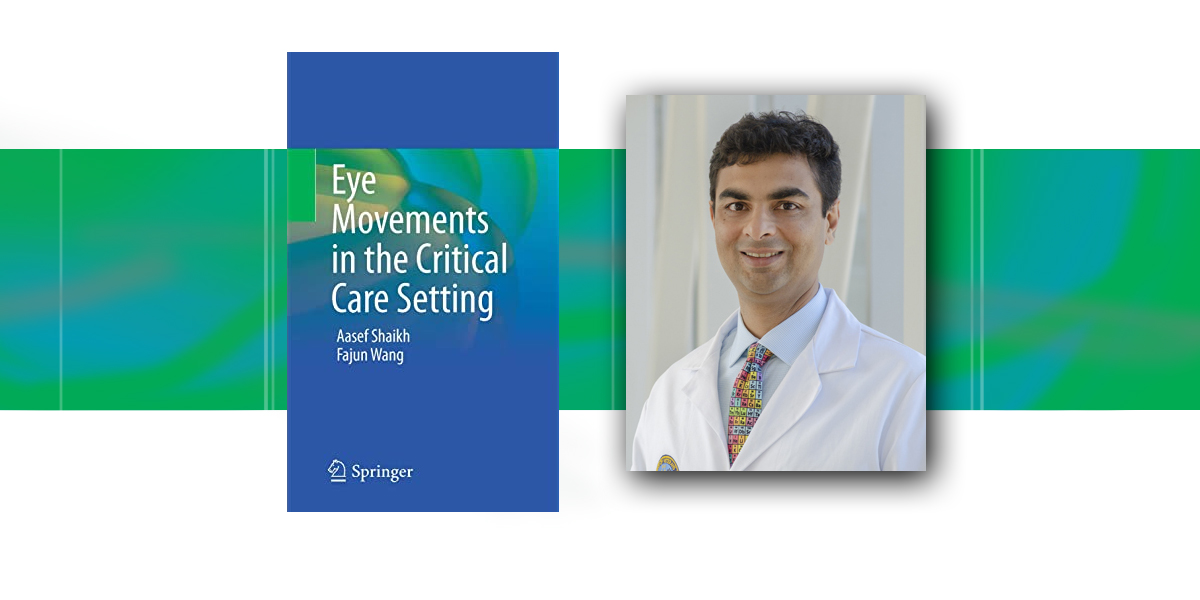
New Textbook authored by FES Investigator, Aasef Shaikh, MD, PhD. Available here >>
The Dystonia Medical Research Foundation (DMRF) has partnered with Frontiers to launch Dystonia, a Gold Open Access journal. The journal will bring visibility to the growing dystonia field and highlight...

MetroHealth Rehabilitation Institute Ranks Top in Ohio and #24 in U.S. by U.S. News and World Report
U.S. News and World Report designated the MetroHealth Rehabilitation Institute #24 in the nation and #1 in Ohio for the care of patients recovering from complex conditions such as...
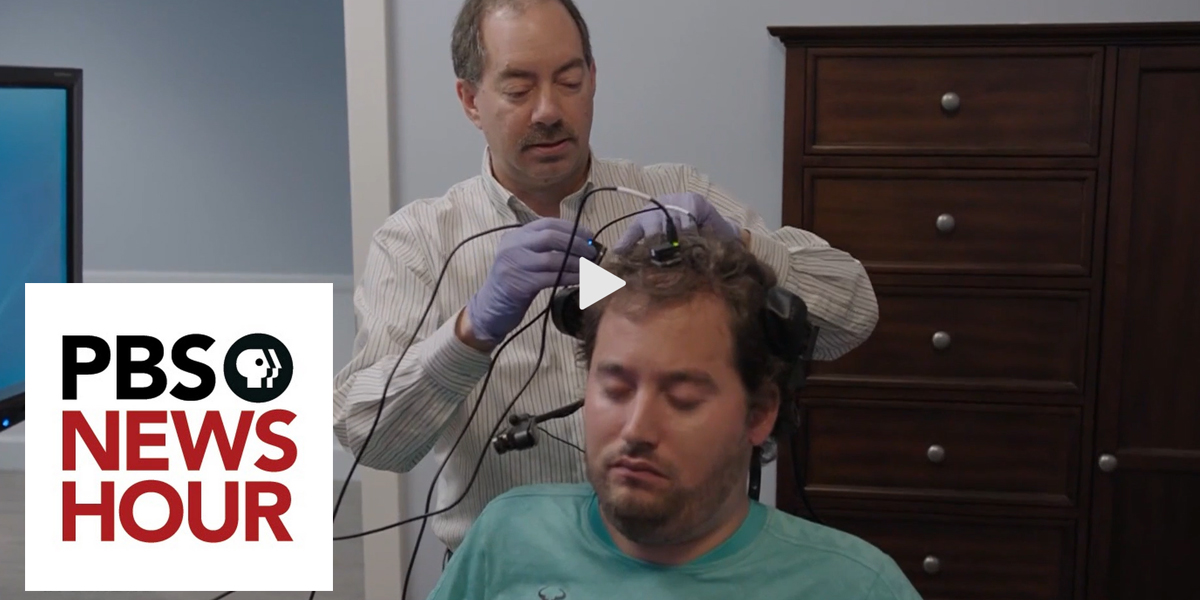
Experimental research is working to improve the lives of people living with paralysis. Finding a way to bridge the severed connections between their brains and their limbs remains an...
How can neurodegenerative diseases be better understood to find new therapeutic techniques? Researchers use tools like deep brain stimulation and virtual reality to make new leaps. Listen to full...

Neuros’ technology was invented by Drs. Kevin Kilgore and Niloy Bhadra of Case Western Reserve University. The company says it “delivers a high-frequency electrical signal to sensory nerves in...
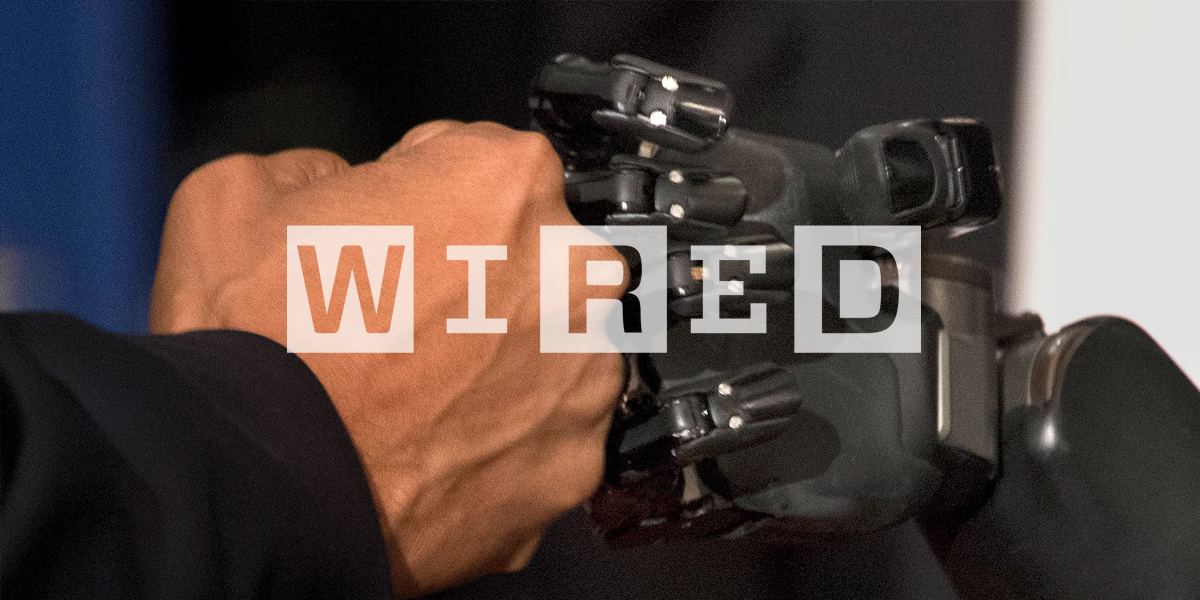
NATHAN COPELAND WAS 18 years old when he was paralyzed by a car accident in 2004. He lost his ability to move and feel most of his body, although he...
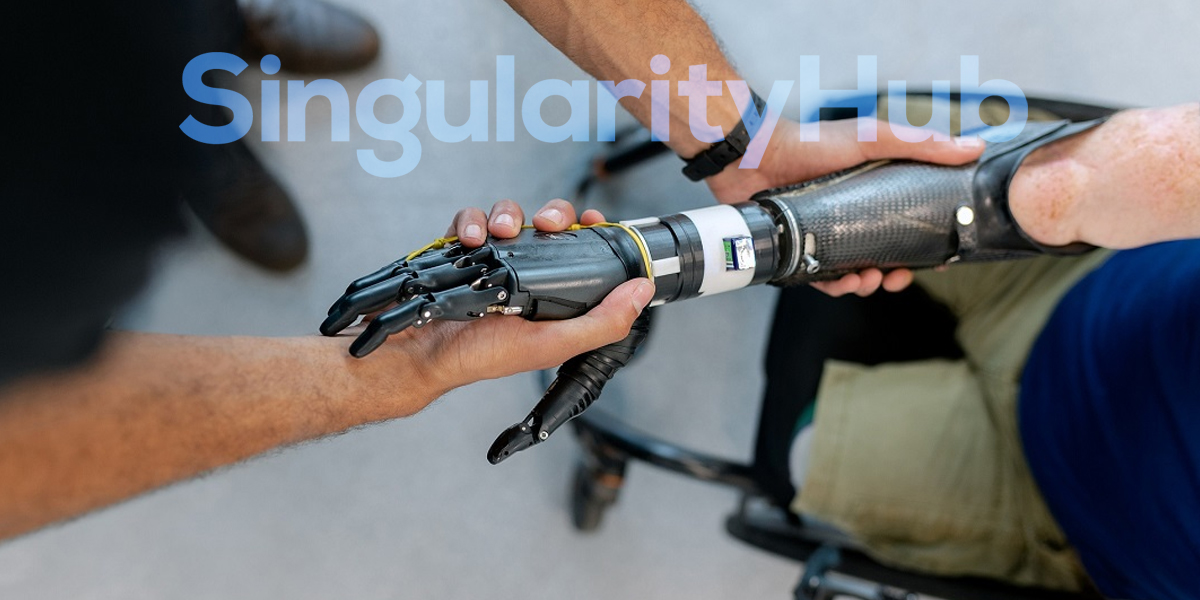
Most people probably underestimate how much our sense of touch helps us navigate the world around us. New research has made it crystal clear after a robotic arm with the ability...
NEURAL IMPLANT PODCAST – THE PEOPLE BEHIND BRAIN-MACHINE INTERFACE REVOLUTIONS > (opens in a new tab)”>Listen to Podcast >>
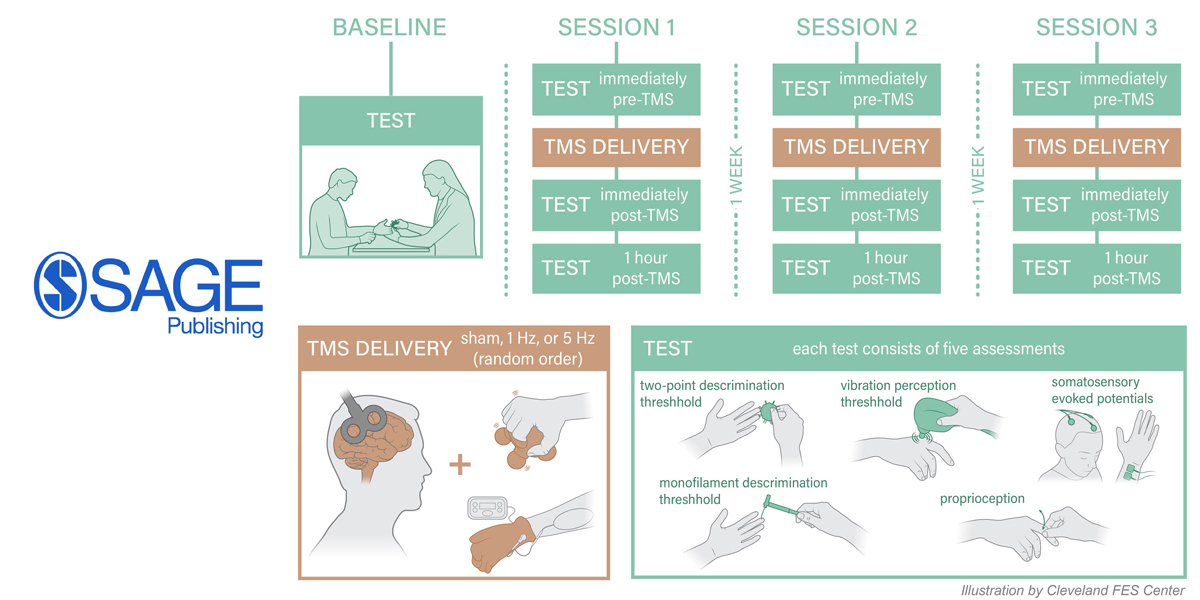
The project, led by FES Investigator Svetlana Pundik, MS, MSc, started as a CTSC grant that lead to SPIRE award.
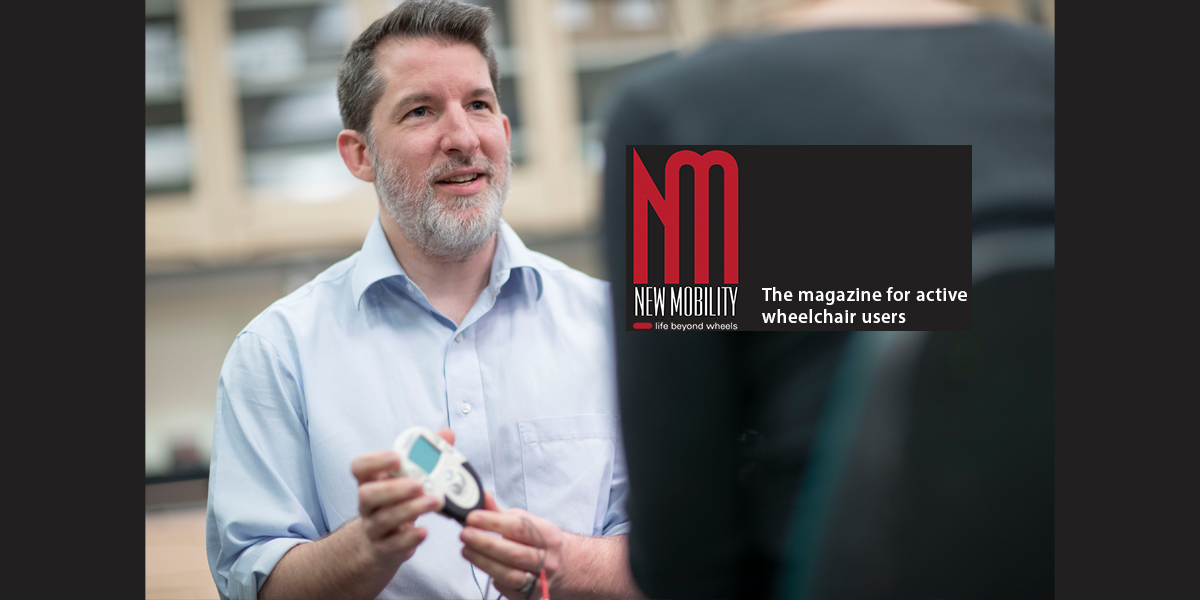
For far too many years, spinal cord injury researchers have failed to include disabled people in their studies as anything but subjects. Fortunately, that’s changing as more people with...
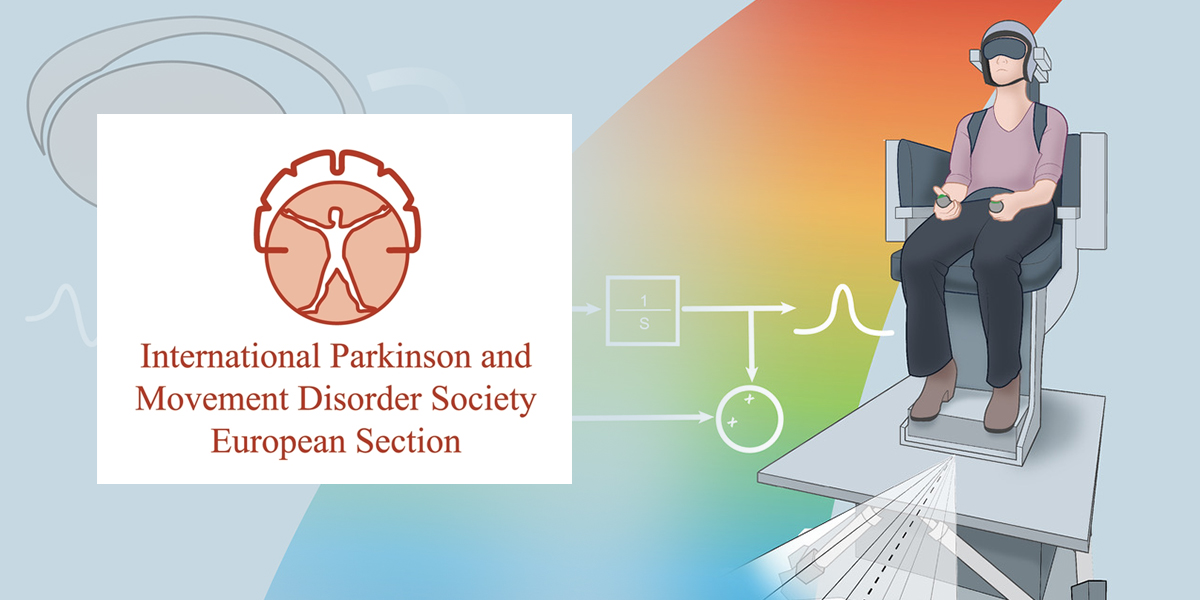
FES Investigator, Aasef Shaikh, MD, PhD’s research, “Severity‐Dependent Effects of Parkinson’s Disease on Perception of Visual and Vestibular Heading” is featured on the February 2021 cover of Movement Disorders,...

The Case-Coulter Translational Research Partnership (CCTRP) has announced more than $1.1 million in funding and other support for six biomedical technologies. FES Investigators, Dustin Tyler, the Kent H. Smith...
In a world where “your” data is commoditized, how willing should one be to provide access to their deeper brain activities? Who should benefit? Get an account for what...
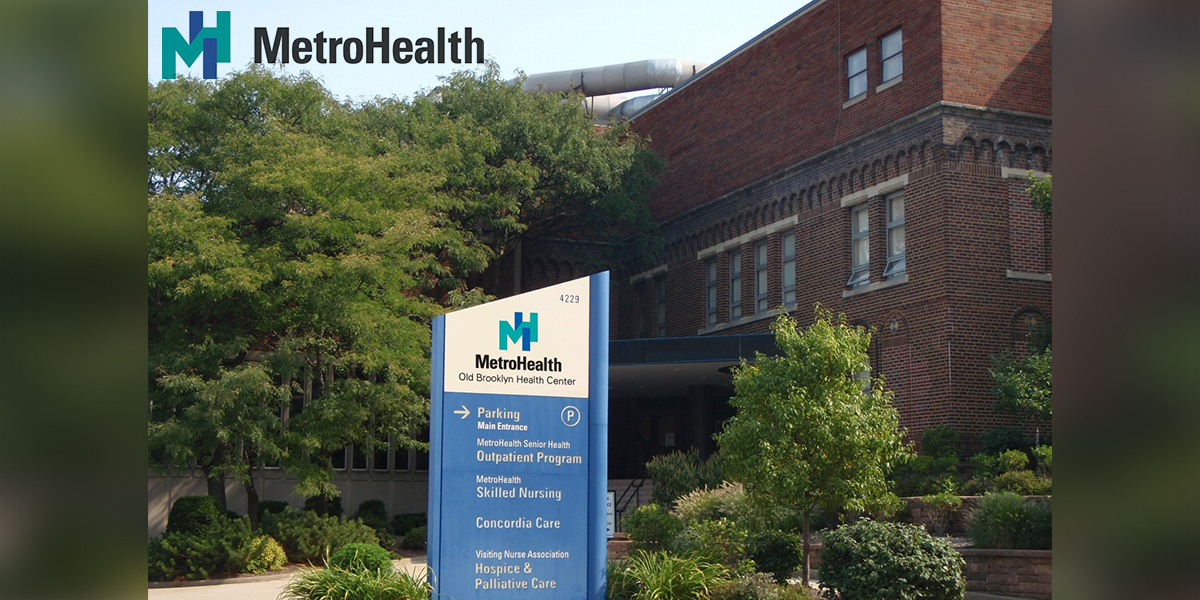
Cleveland - The MetroHealth System will invest $9 million in its Old Brooklyn Campus, expanding a research program that draws patients from around the world who have suffered spinal...
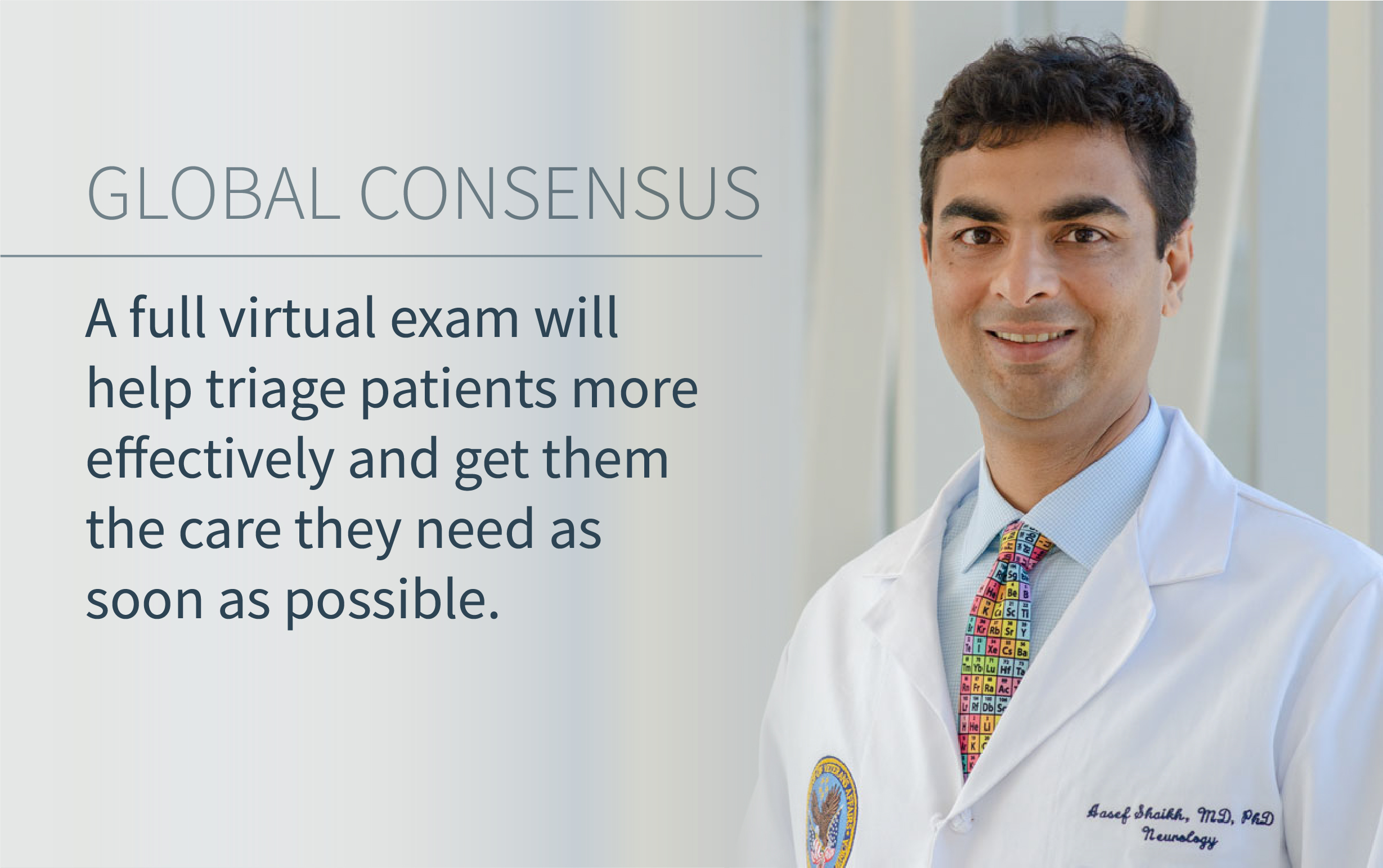
Created to help decision-making during COVID, guidelines may prove useful after pandemic CLEVELAND — One out of five people experience dizziness at least once every year. It is so...
“We are very far from understanding what’s happening in the brain”

Jack Gallant never set out to create a mind-reading machine.
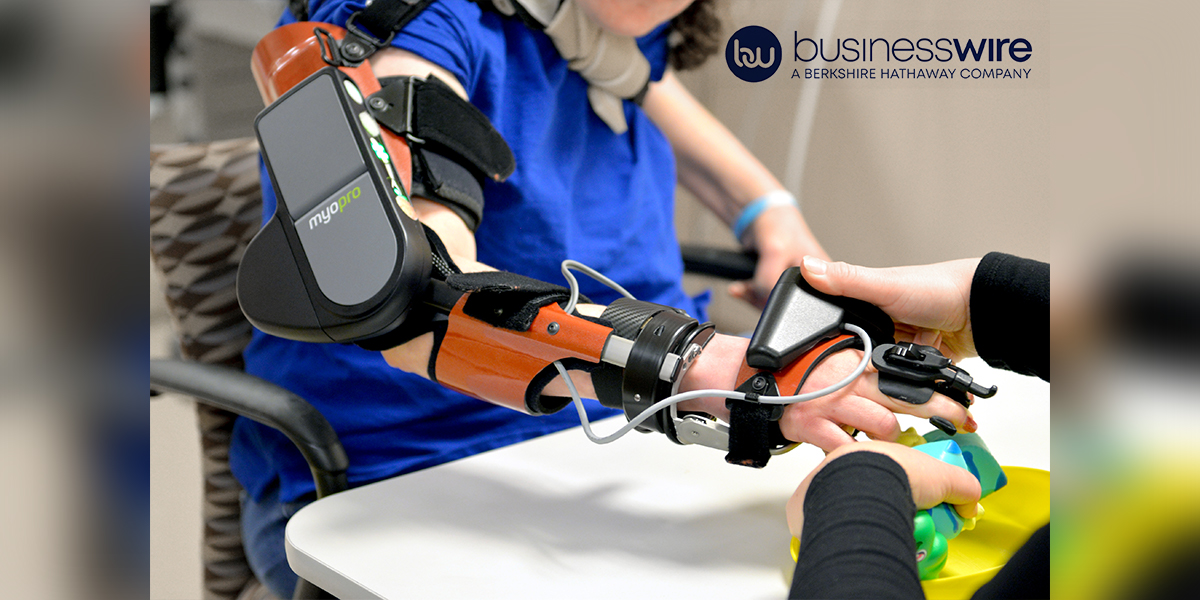
CAMBRIDGE, Mass.--(BUSINESS WIRE)--Myomo, Inc. (NYSE American: MYO) (“Myomo” or the “Company”), a wearable medical robotics company that offers increased functionality for those suffering from neurological disorders and upper-limb paralysis, today...
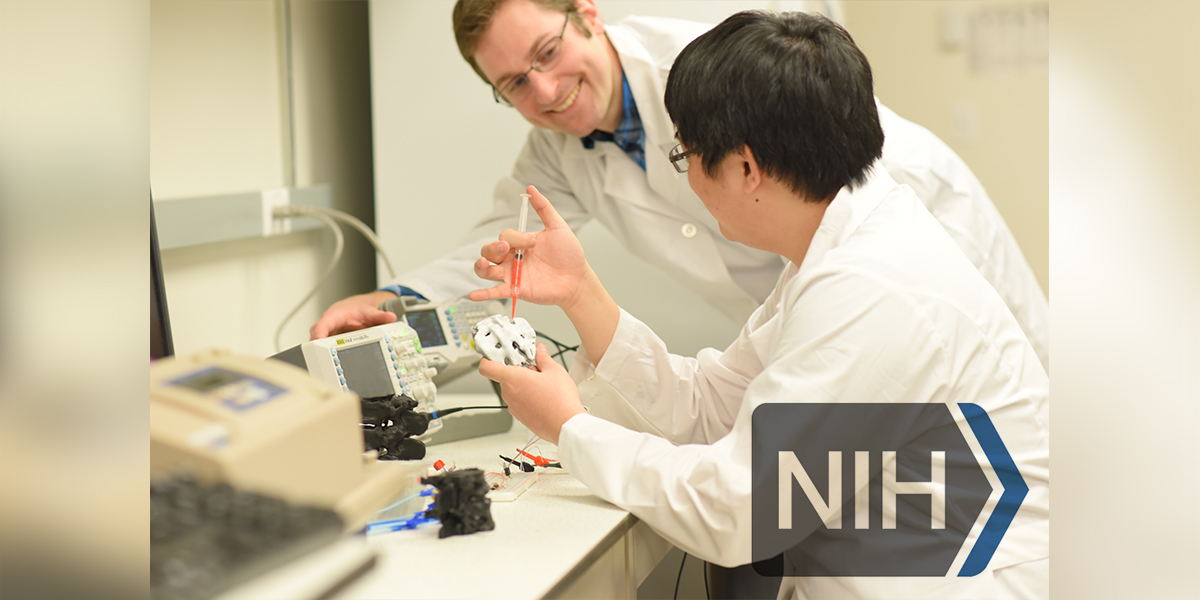
NIBIB’s HEAL grantees develop a new type of injectable electrode for neuromodulation therapy

Engineering: Beyond the Numbers
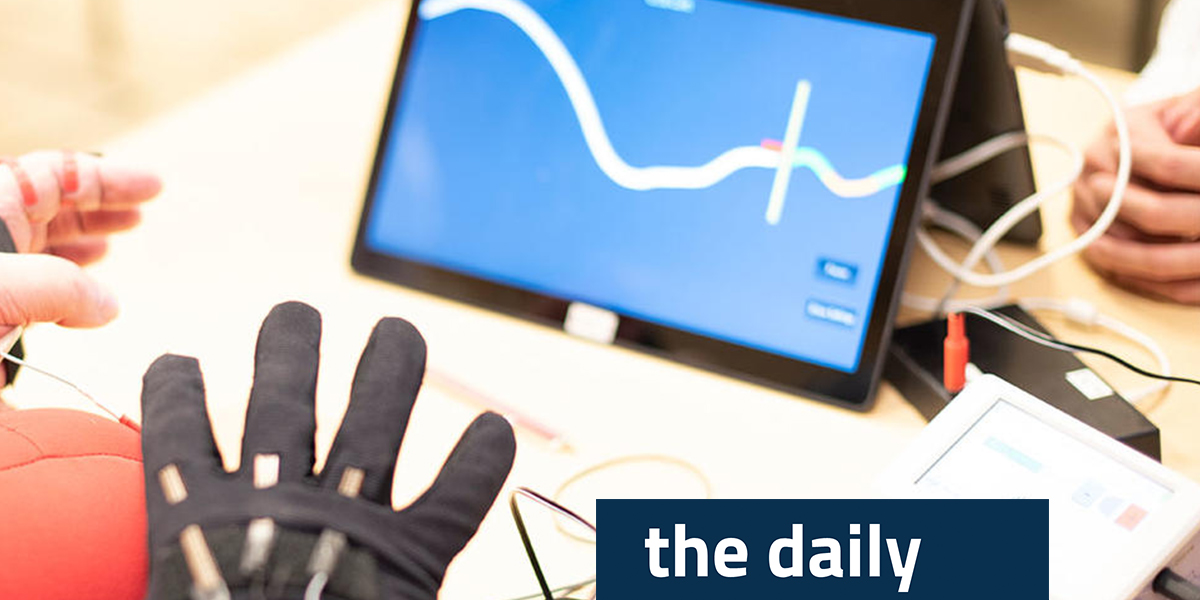
Case Western Reserve University assistant professor seeks to improve effects of neuromuscular electrical stimulation by measuring unknown role of human effort
Dr. Robert Kirsch Discusses FES Center Brain Interfaces
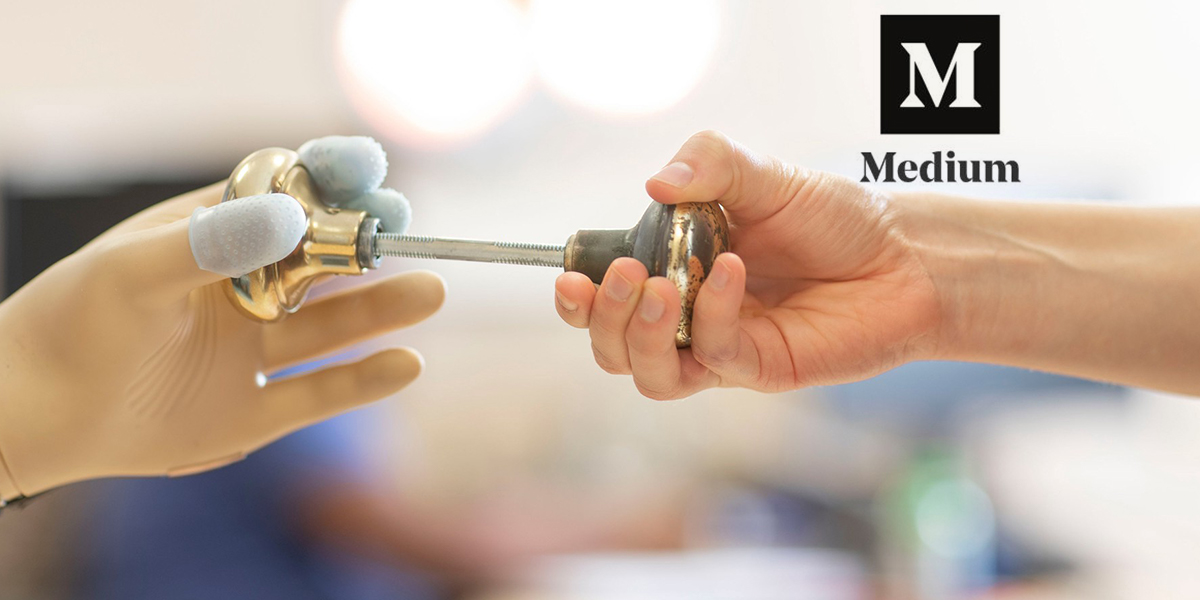
Dustin Tyler‘s research on the neural interface between man and machine plays an integral part in the upcoming ReHAB trial and push toward the Avatar XPrize.
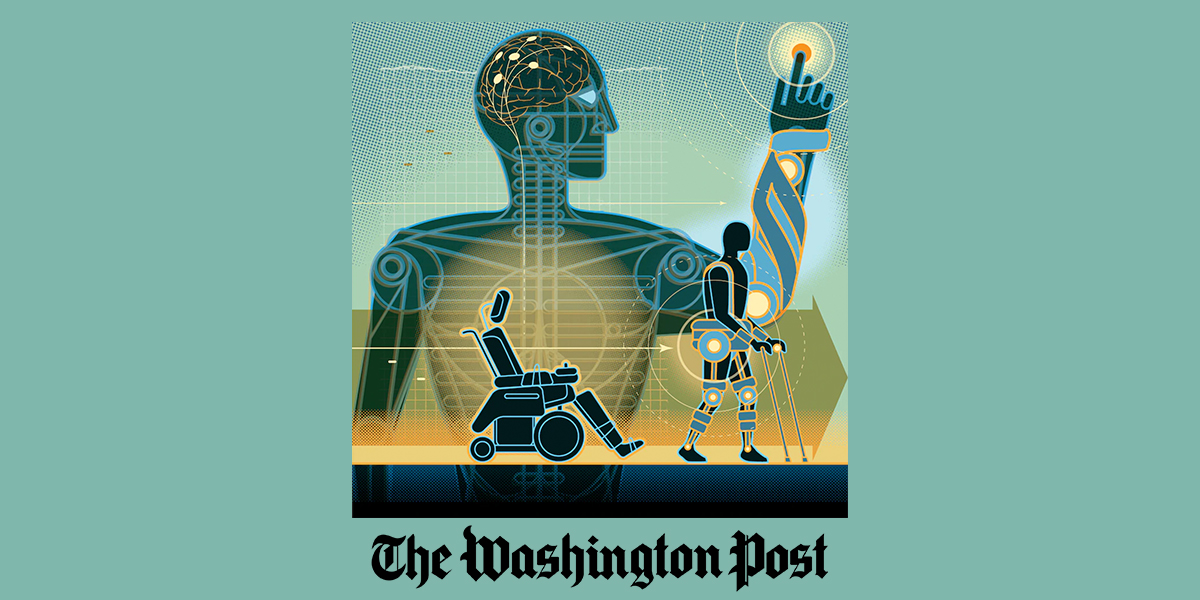
Brain-computer interfaces today are about where the personal computer was in the early 1980s, said A. Bolu Ajiboye, an associate professor of biomedical engineering at Case Western Reserve University...
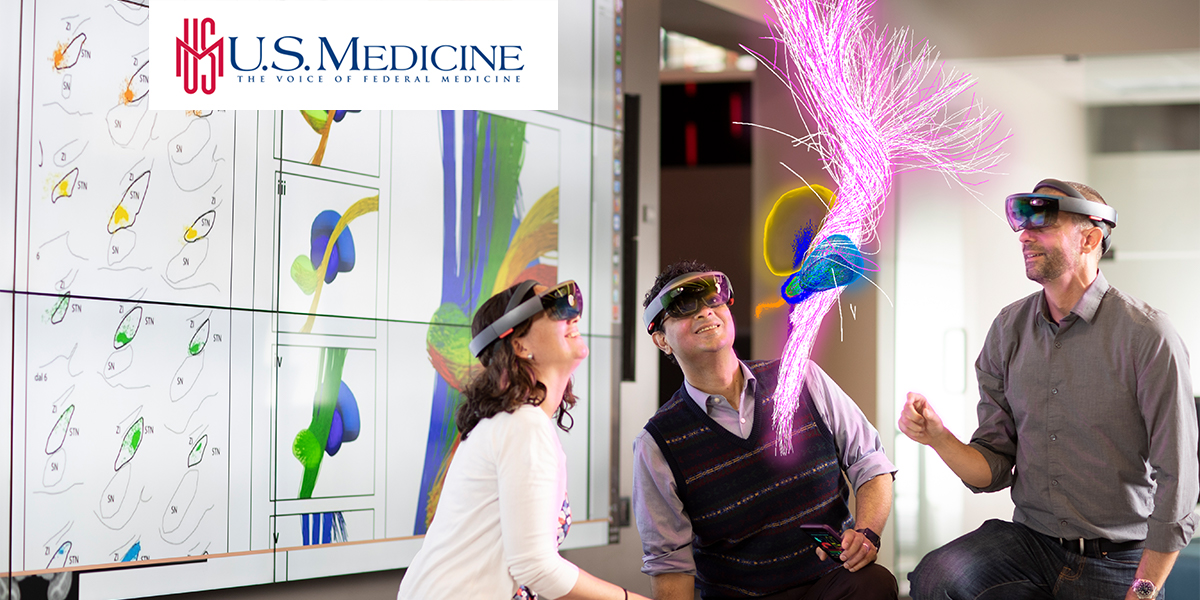
CLEVELAND — Aasef Shaikh, MD, PhD, grew up in India as the son of two ENT surgeons, which he credits for his early interest in understanding the system that...
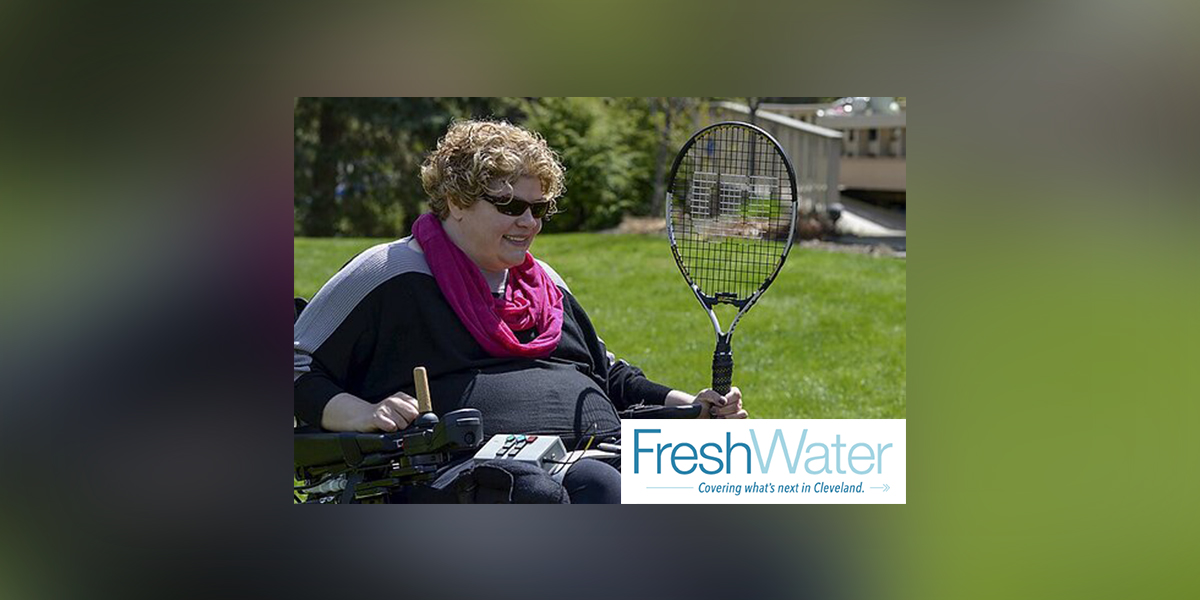
In 2002, Maria Sutter was living in New York City, working for a SoHo architecture firm, and starting to bicycle around the city as part of her active lifestyle....
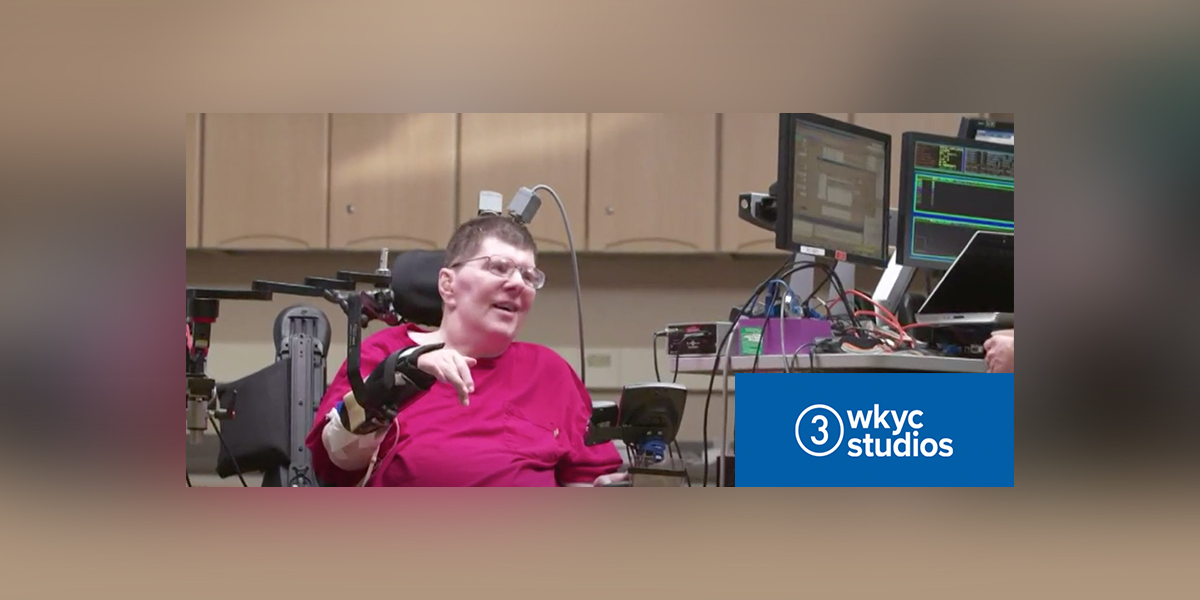
The Cleveland VA, Case Western Reserve and University Hospitals collaborated for a documentary that showcases the journey of brain interface technology
"I Am Human" Interview
The documentary premieres in Cleveland Thursday, followed by a panel with the filmmakers and featured scientists.

Case Western Reserve research team from new Human Fusions institute aims for $10 million Avatar XPrize competition; winner will best ‘transport a human’s sense, actions and presence’ to another...
CLEVELAND — A groundbreaking clinical trial is starting in Cleveland soon, and researchers are currently looking for participants. The program is called ReHAB — which stands for “Reconnecting the...
For more than 40 years, Hunter Peckham has been working to help patients with spinal cord injuries live more independent, functional lives.
Grant for $3 million from the U.S. Department of Defense supports the work being done at University Hospitals, Case Western Reserve University and the Cleveland FES Center.
Bill Kochevar’s lasting legacy will be his selfless commitment to helping others with quadriplegia regain control over their limbs.
A $3 million grant from the United States Department of Defense is supporting a group of biomedical researchers as they look to advance a platform to allow unprecedented reanimation...
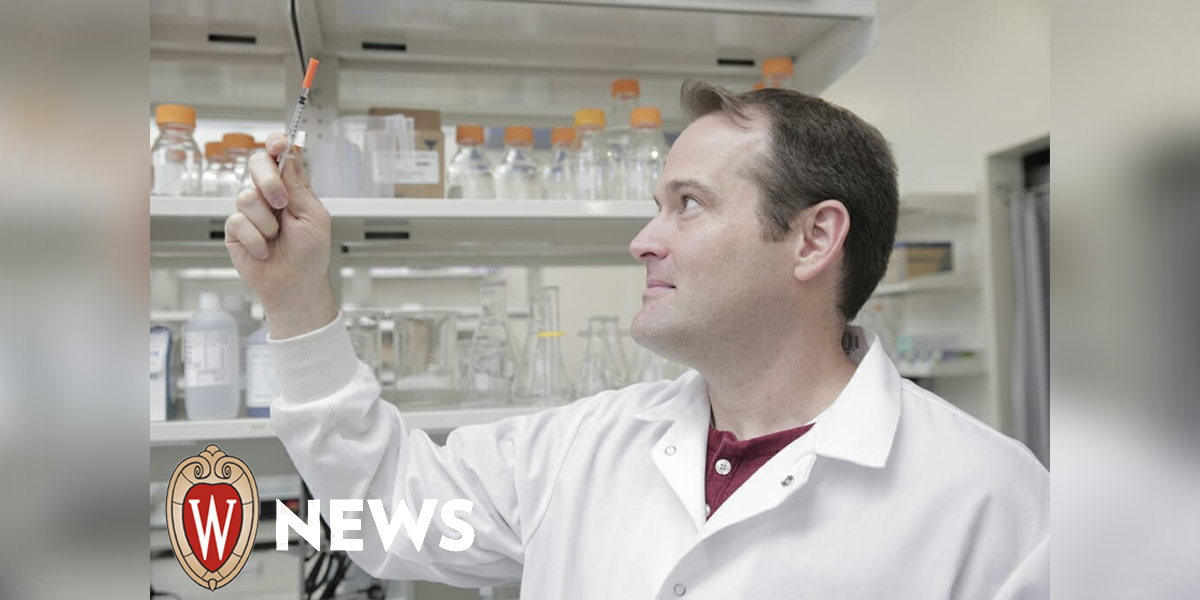
By electrically stimulating nerves, neuromodulation therapies can reduce epileptic seizures, soothe chronic pain, and treat depression and a host of other health conditions without the use of conventional drugs...
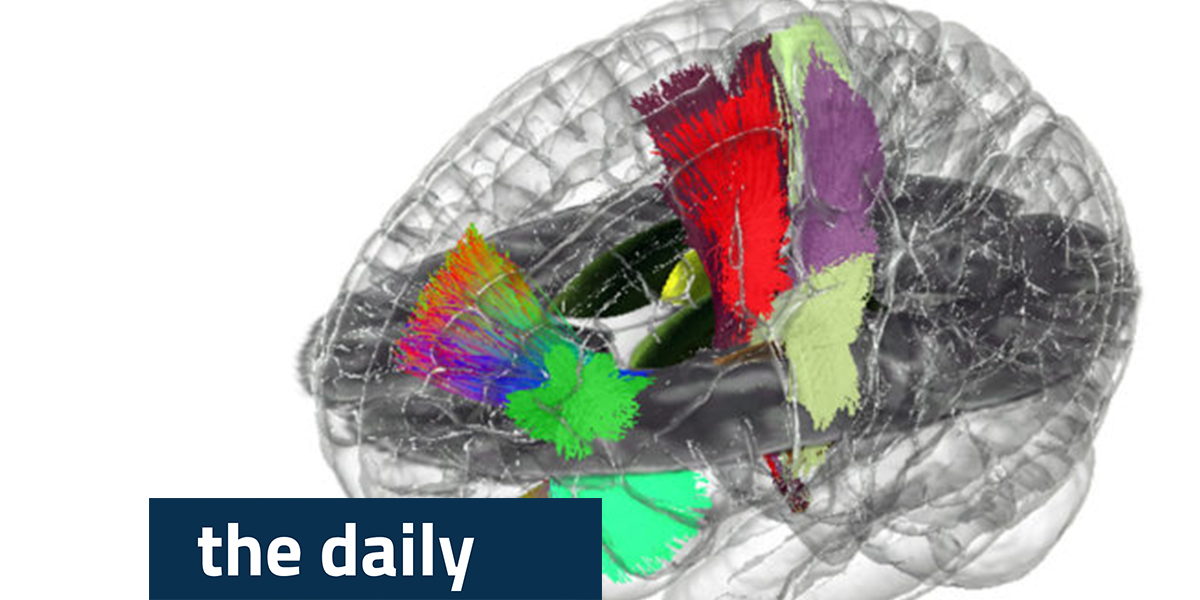
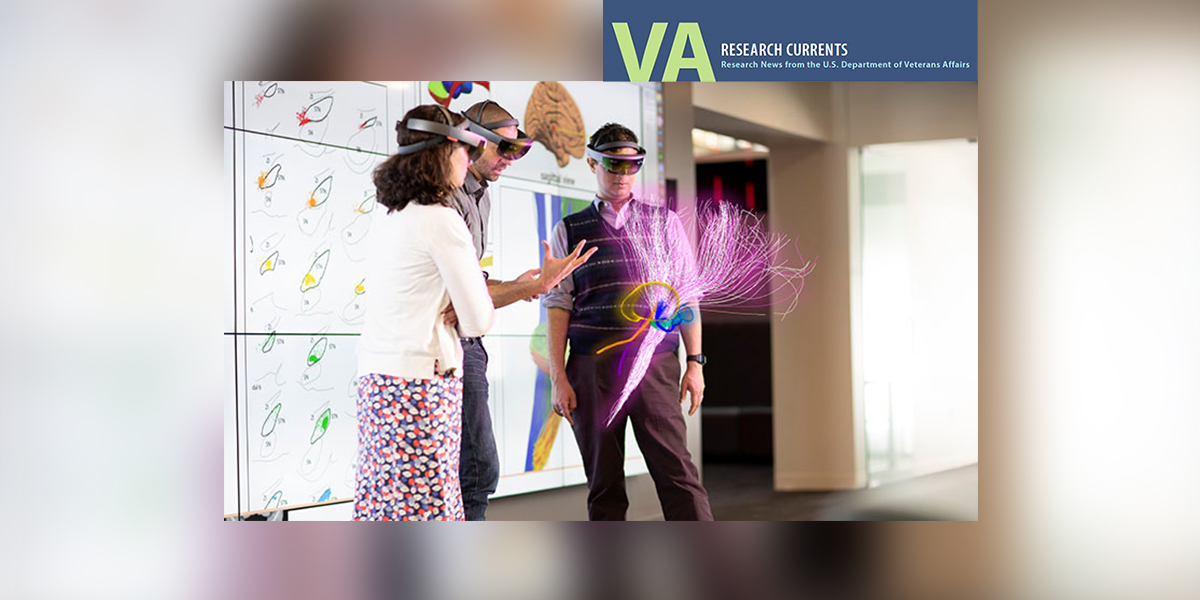
Researchers used Microsoft HoloLens to visualize, access pathways in human brain; project by Case Western Reserve’s Interactive Commons, School of Medicine, others
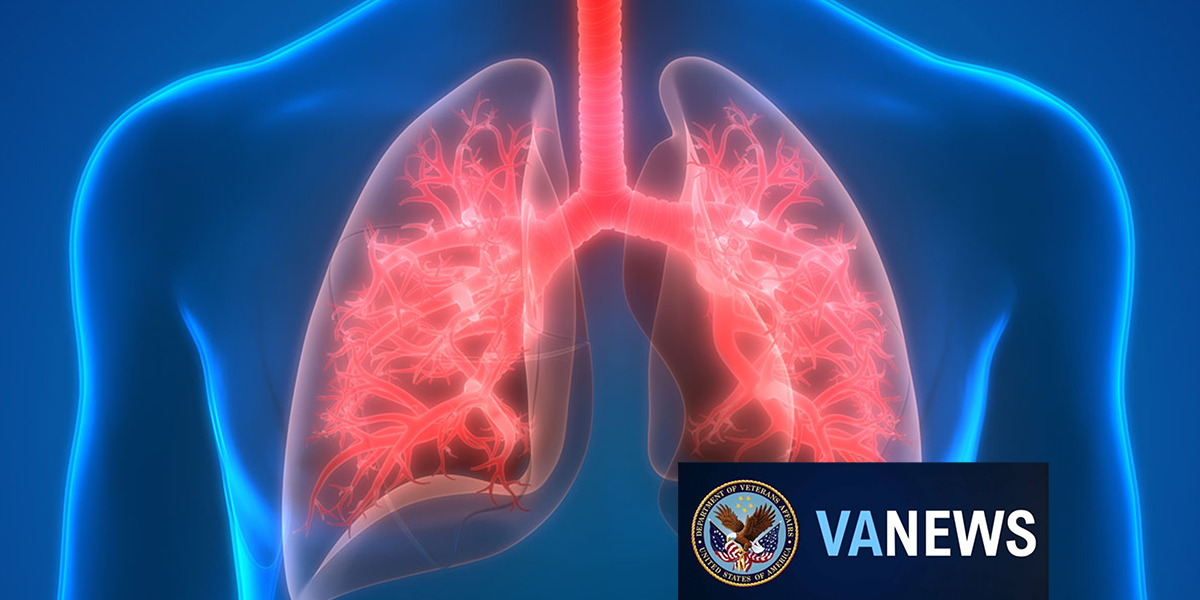
VA doctors are among a team of researchers at the Cleveland Functional Electrical Stimulation Center restoring respiratory function in Veterans with spinal cord injury
“The nervous system really uses electricity as its language,” says Robert Kirsch, chair of biomedical engineering at Case Western Reserve University and executive director of the Cleveland FES Center.
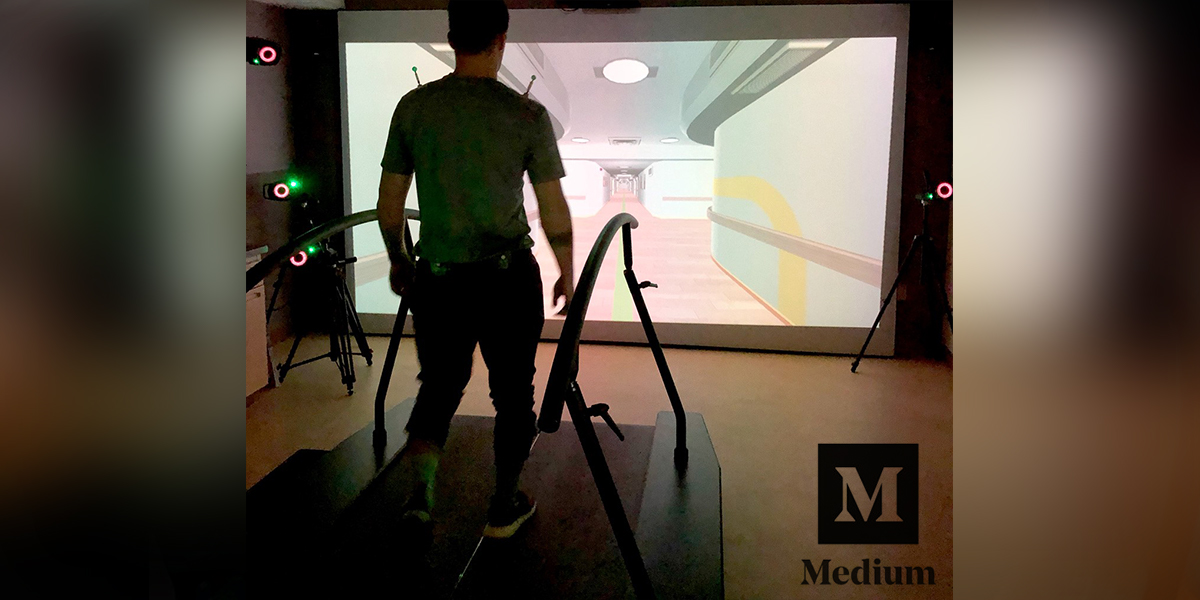
Researchers are investigating what causes patients to freeze while walking and how it can be avoided.
CLEVELAND — Ground-breaking, life-changing research is happening at MetroHealth Medical Center when it comes to spinal cord injuries and giving people function back.
Cleveland FES Center using deep brain stimulation to study gait, balance impairment
Researchers receive $9M NIH grant to develop infrared technology for understanding, managing the peripheral nervous system’s role in many illnesses
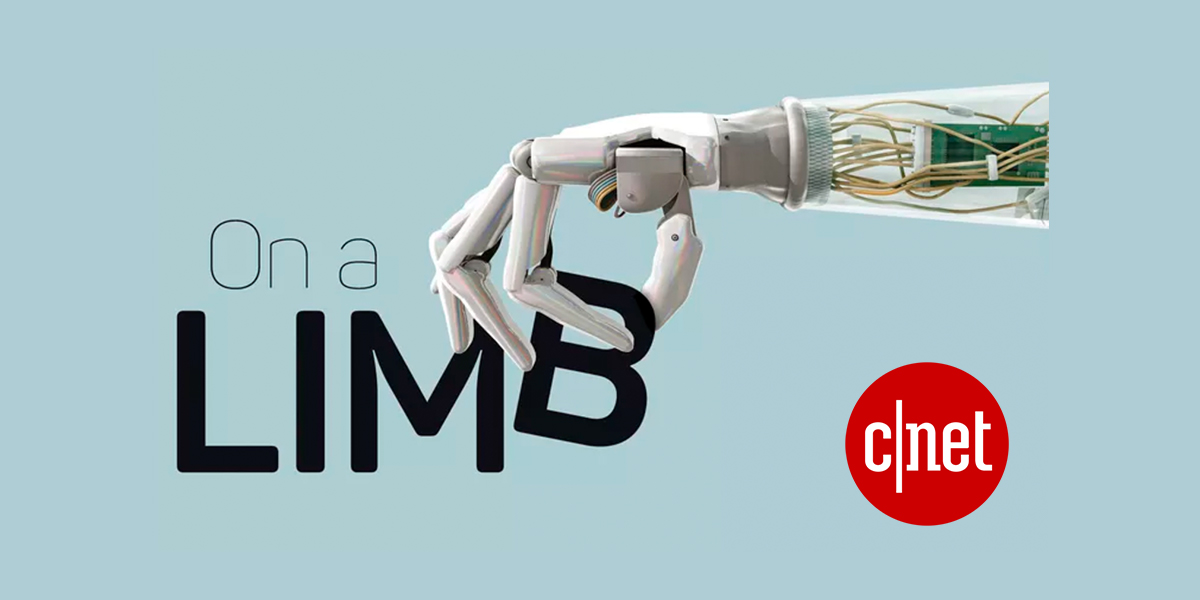
Prostheses are morphing into mind-controlled extensions of the human body that let their wearers feel what they're touching.
The exceptional women featured in these profiles bring a broad range of skills, talent and innovations to bear on the fields of science, technology, engineering and mathematics. Thanks to...
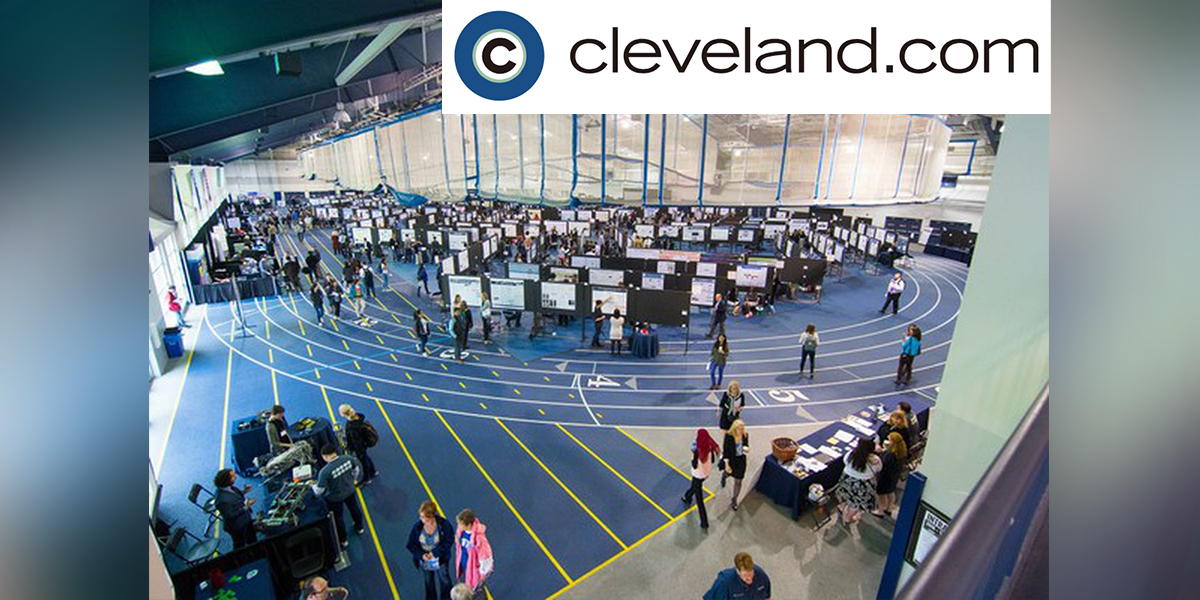
Cleveland FES (Functional Electrical Stimulation) Center: Military veteran David Powers, an FES Center patient, will help demonstrate how FES technology has restored respiratory muscle function. The technology helps those...
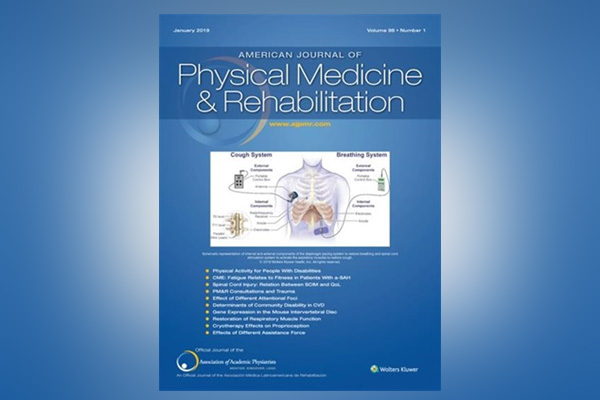
The cover of the January 2019 issue of the American Journal of Physical Medicine and Rehabilitation features an article entitled...

The implant was designed to detect signals associated with intended movements and then transmit these signals to a Bluetooth interface.
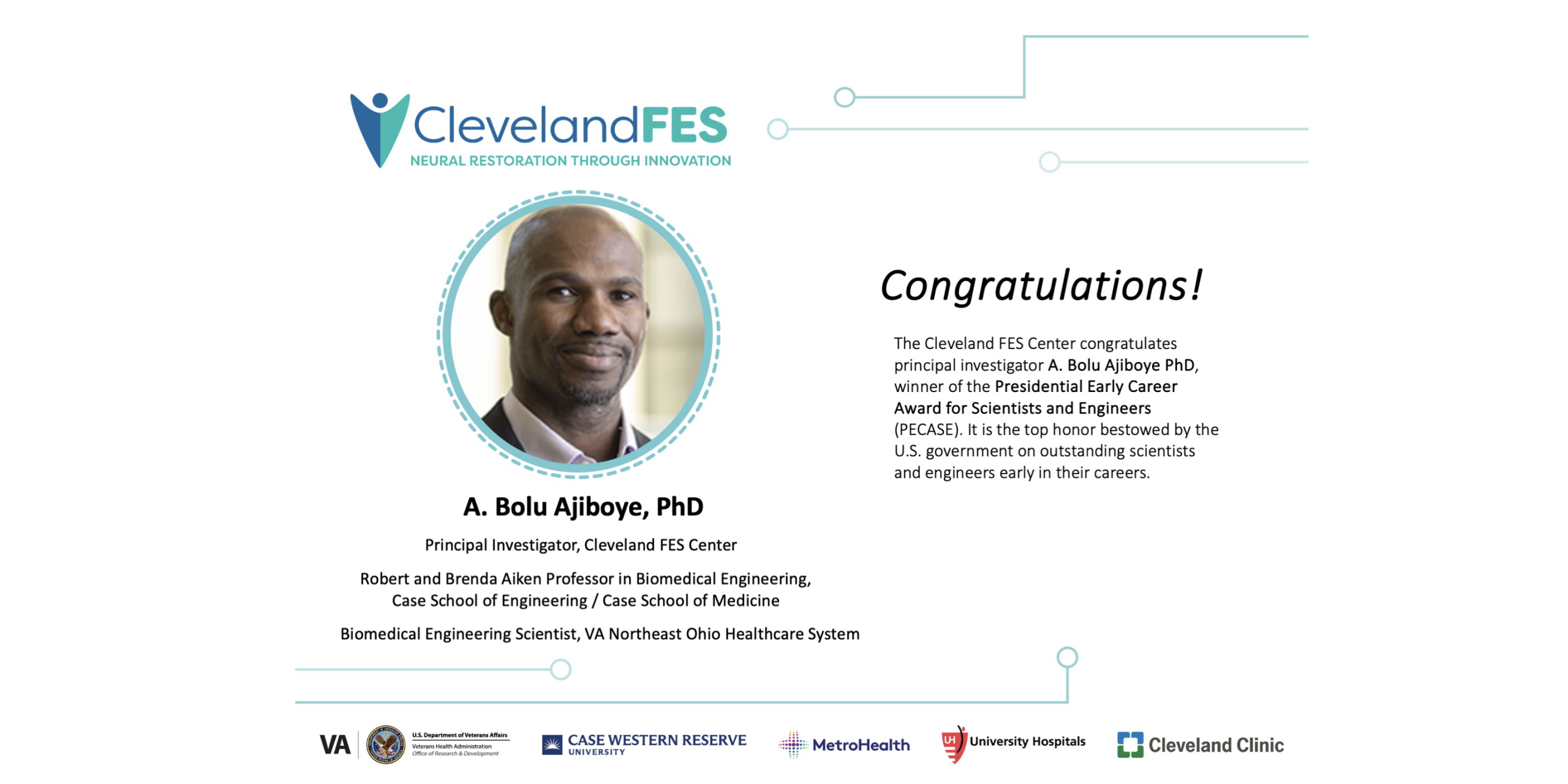
A. Bolu Ajiboye and Robert F. Kirsch of Case Western Reserve University, USA, in collaboration with Leigh R. Hochberg of Harvard Medical School and Brown University, USA, won 1st...
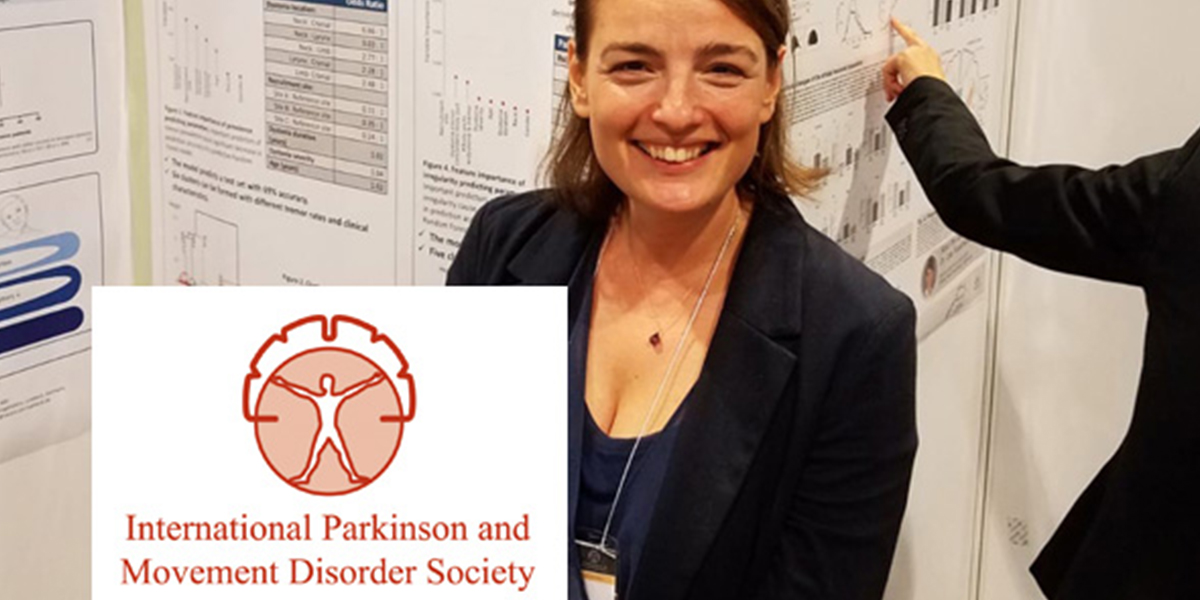
The poster was selected to receive a Travel Grant Award from theSociety and chosen for a Guided Poster Tour.
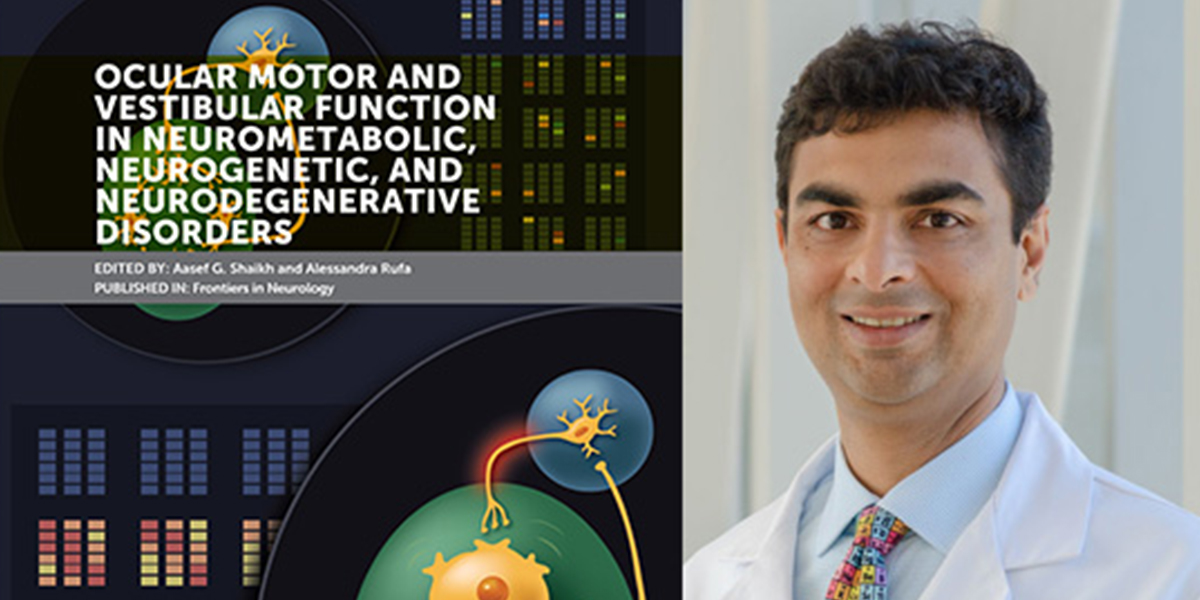
The journal topic includes several articles written by Dr. Shaikh and FES Center Investigator, Fatema Ghasia, MD.
With someone diagnosed with PD every nine minutes, this research is critical as we push for better treatments and ultimately, a cure.
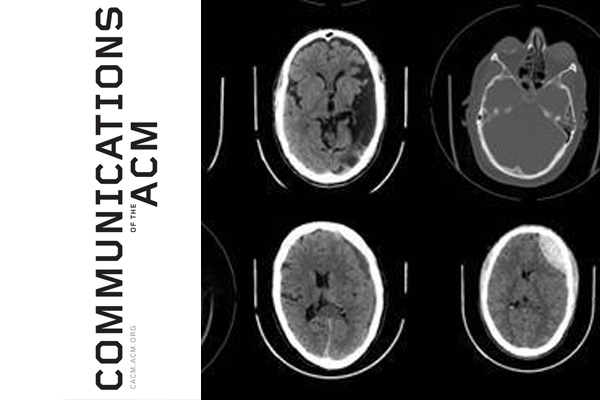
Artificial intelligence (AI) image analysis software has become more adept at diagnosing heart failure and various cancers than top-flight doctors, according to researchers at Case Western Reserve University in...
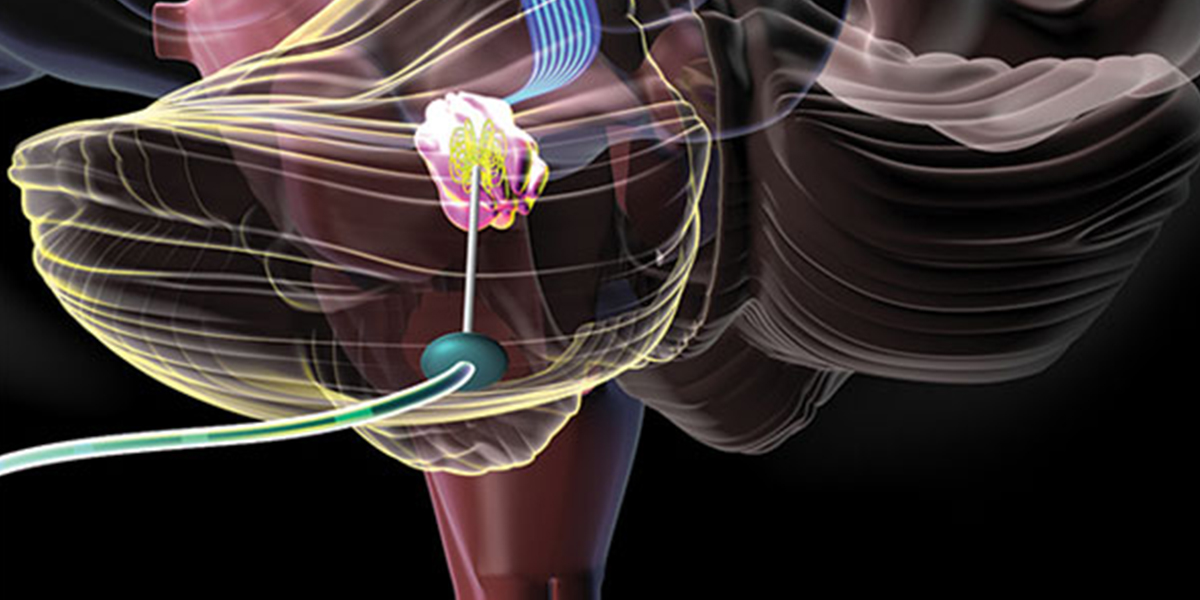
First-of-its-kind clinical trial exploring the use of DBS to restore motor function in patients who have suffered a stroke.
A panel of senior figures from the Royal Institution, Nature and Research Fortnight magazine made the choices from nearly a hundred entries this year.
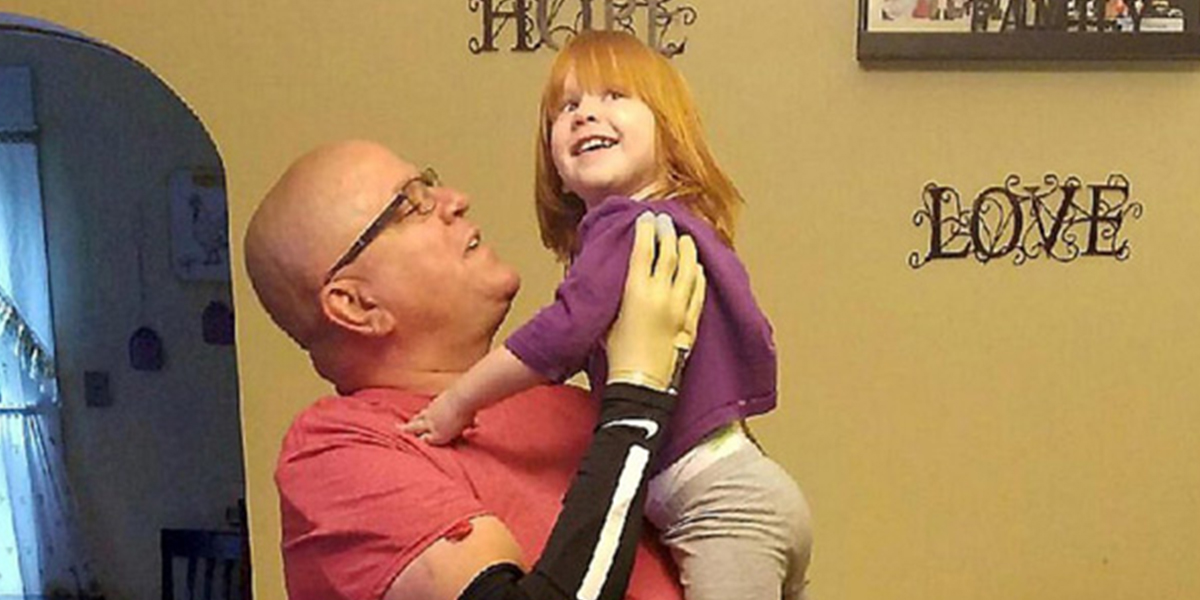
Amputees use new, naturalistic sensory device at home for daily tasks, gain greater sense of personal well-being and connection to loved ones
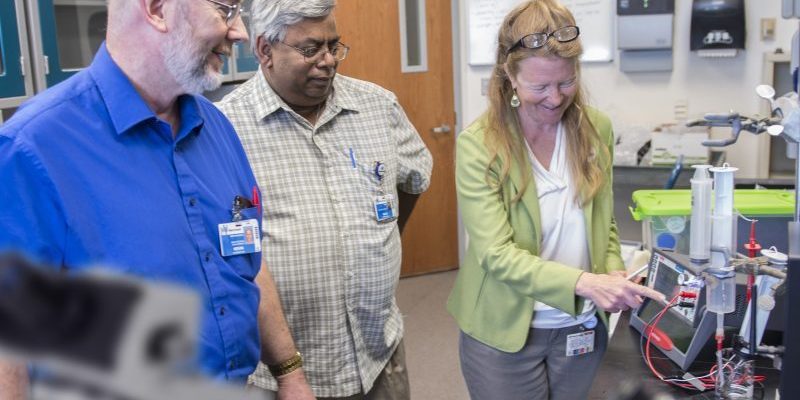
Acute and chronic pain affect at least 100 million U.S. adults and cost the nation up to $630 billion in medical treatment and lost productivity annually.
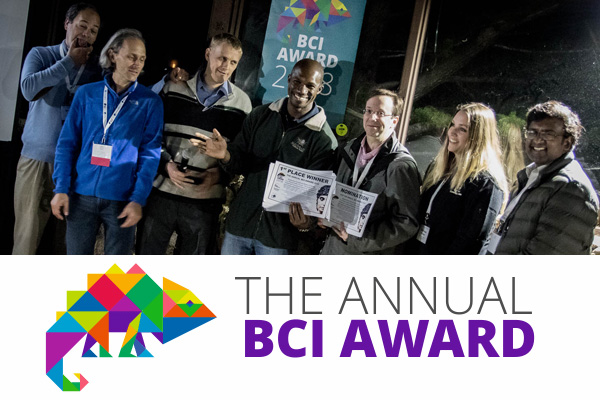
The Cleveland FES Center congratulates Bolu Ajiboye, PhD and Robert Kirsch, PhD on receiving first place for the 2018 International Annual Brain Computer Interface (BCI) Research Award, for their...

Researchers receive $9M NIH grant to develop infrared technology for understanding, managing the peripheral nervous system’s role in many illnesses Read full story >>
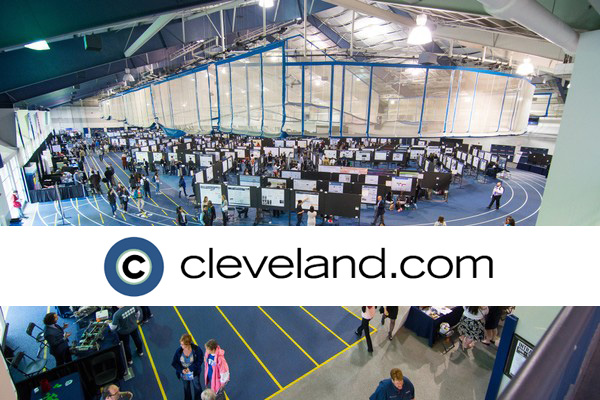
CLEVELAND, Ohio – Posters, videos, prototypes, demonstrations and interactive exhibits created by hundreds of students will be on display Friday at Case Western Reserve University.
Prostheses are morphing into mind-controlled extensions of the human body that let their wearers feel what they’re touching. Read full story >>
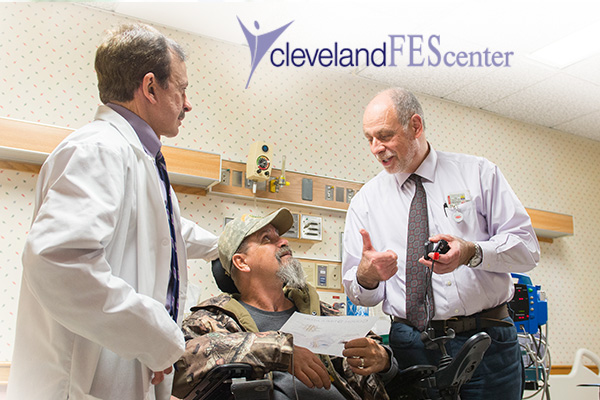
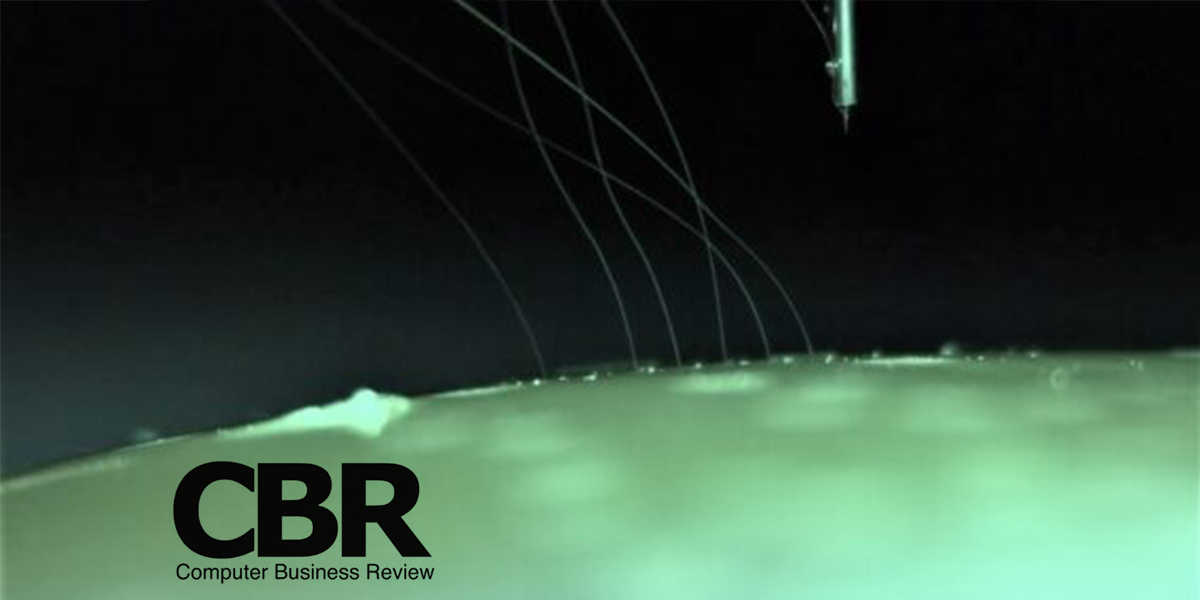
Yarn weaved from carbon nanotubes monitors brain control of organ functions in rats, paves way for disease diagnosis and treatment at single nerve level Read full story >>
Researchers Restore Complete Respiratory Muscle Function in Subjects with SCI Anthony DiMarco,...
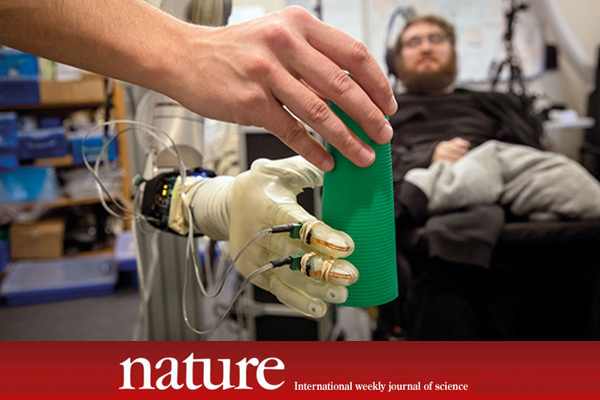
Technologies that restore movement and the sense of touch are helping people to overcome the physical effects of stroke and spinal-cord injury. Read full story…
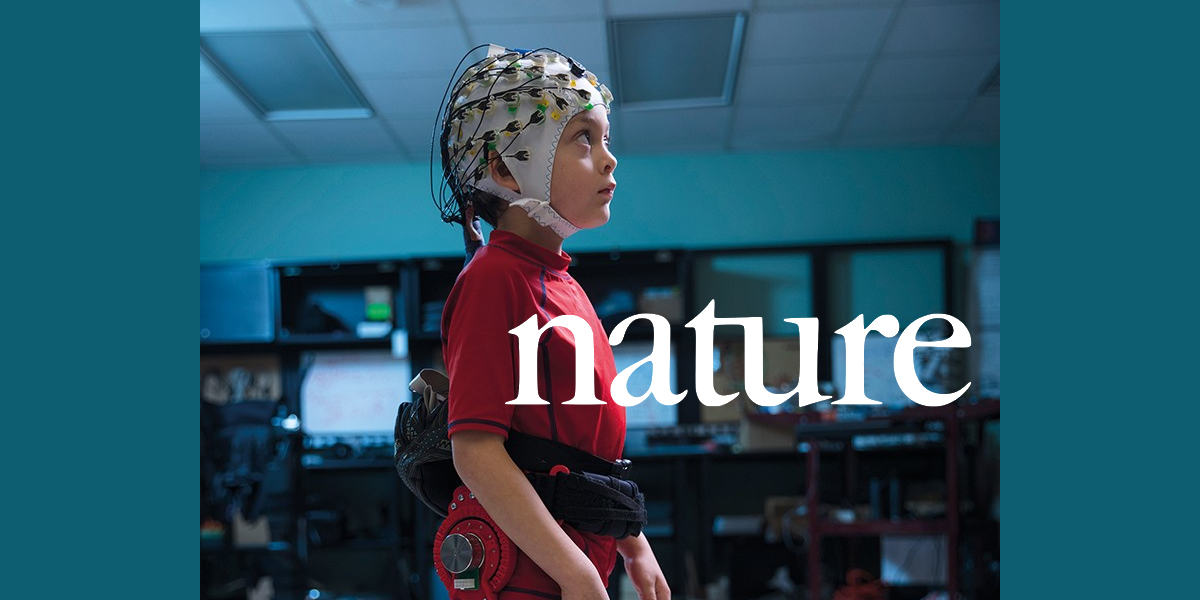
Technologies that restore movement and the sense of touch are helping people to overcome the physical effects of stroke and spinal-cord injury.
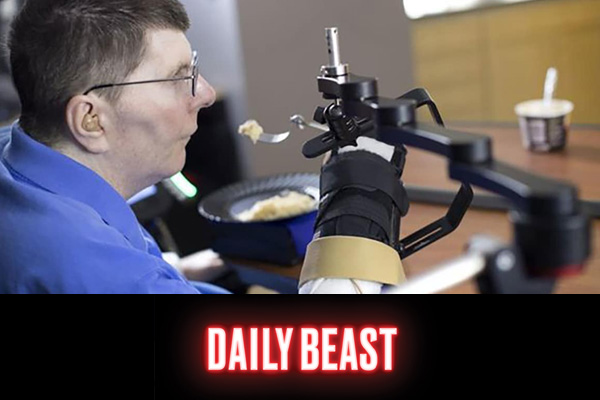
The news can be a damper sometimes, and in 2017, it seemed to be a heavy weight a lot. But there were sparks of hope in some places, especially in...
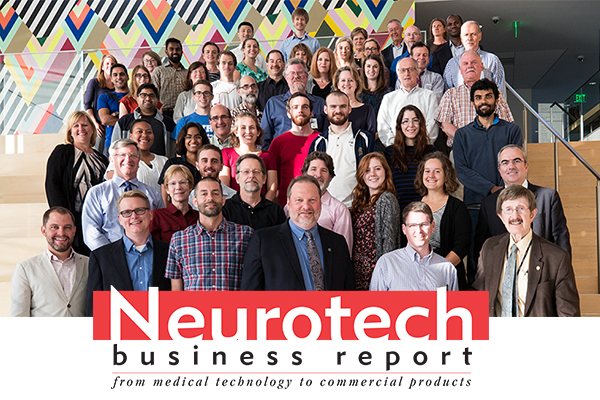
When this publication first profiled the Cleveland FES Center more than 10 years ago, the center was unique for its collaborations and unquestionably a premier research institution in neuroprosthetics....
Technologies that enhance the human brain will be essential to avoid a dystopian future fueled by the rise of artificial intelligence Read full story…
Biomedical engineering researchers at Case Western Reserve University are refining more than 15 years of work on an electrical nerve-block implant, focusing their next step on new applications related...
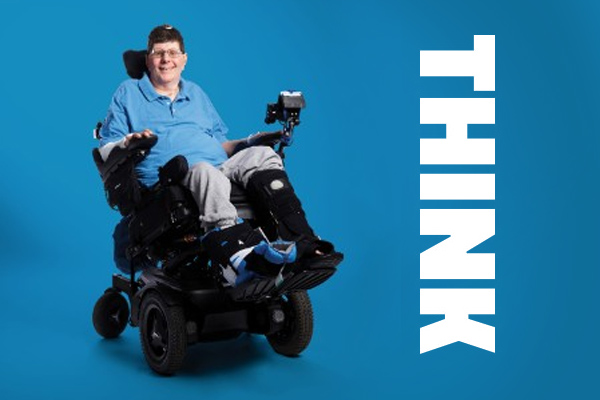
Researchers have given one man the ability to move a paralyzed limb with his thoughts and others the chance to feel sensations through prosthetic hands. In restoring functions for...
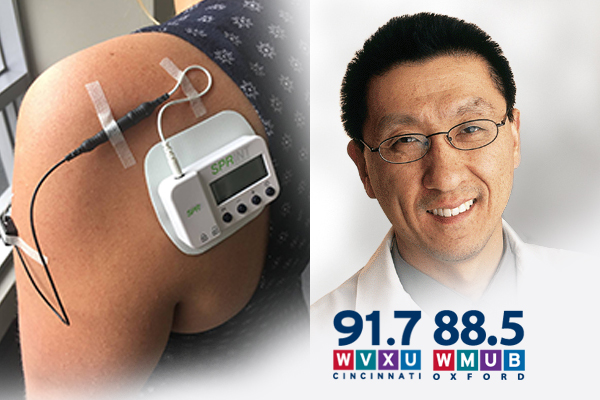
Secretary of State Jon Husted told the Cincinnati Rotary Club July 27, “We’re going to have all kinds of medical inventions that are going to change the way we...

After completing a Ph.D. in electrical engineering at Case Western Reserve University, Michael Fu wanted to use his skills in medical robotics to solve problems in rehabilitation medicine and...
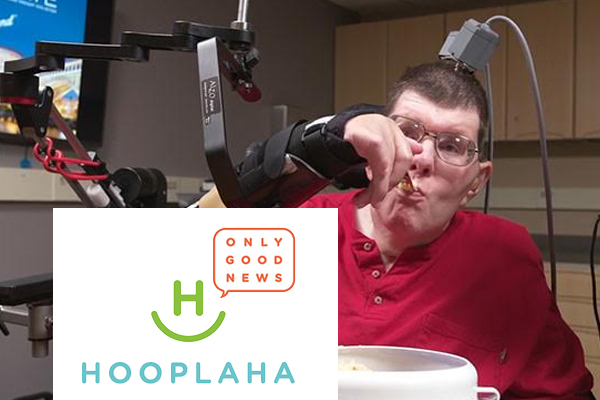
“The dystopian version is something like the Borg.” Read full story…
8 years ago, Bill Kochevar’s life changed drastically. While on a 150-mile bike ride, Bill collided with a mail truck; the accident resulted in him becoming a quadriplegic. Bill...
Imagine having a spinal cord injury that prevents you from performing everyday tasks without assistance. Though your brain is still intact, you can’t hold and sip your morning coffee...
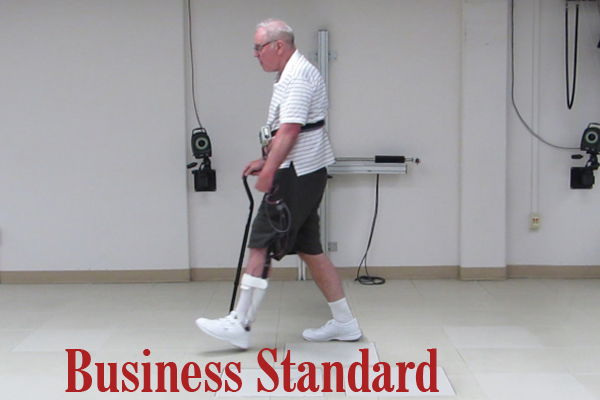
Stroke and multiple sclerosis (MS) patients can walk significantly better with the neural stimulation, according to a recent study. Read full story…
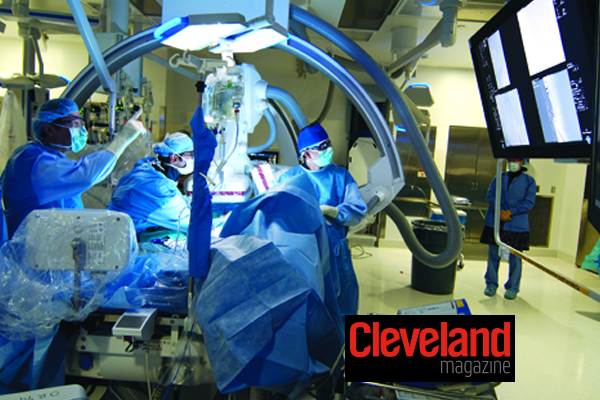
Nine ways Cleveland offers the best medical care in the nation. Read full story…
First recipient of implanted brain-recording and muscle-stimulating systems reanimates limb that had been stilled for eight years. Read full press release…
Reversing Paralysis Scientists are making remarkable progress at using brain implants to restore the freedom of movement that spinal cord injuries take away. Read full story…
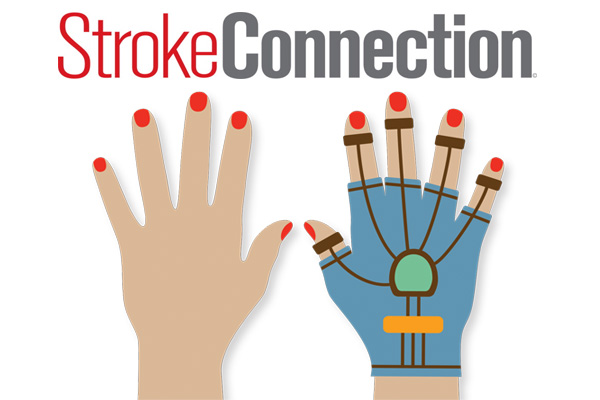
New electrical stimulation therapy may improve hand function after stroke Read full story…
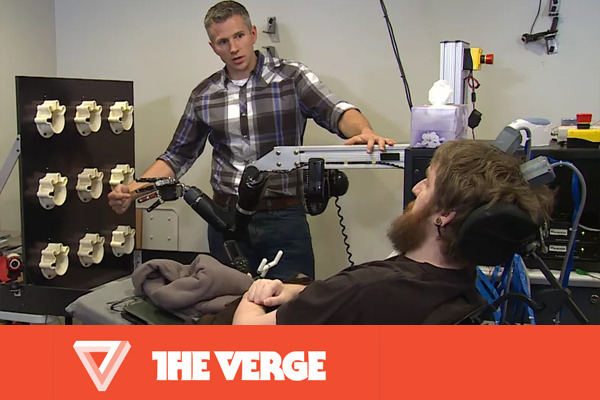
Nathan Copeland hasn’t been able to move his legs or hands since he broke his neck in a car accident more than a decade ago. But now that scientists...

MetroHealth has long been known as one of the best rehab centers for spinal cord injuries. As part of the Cleveland FES Center the researchers, engineers and clinicians are on the cutting...
Christopher Wynn broke his neck diving into the ocean. Now, he runs an activity-based recovery program for other injured people. Wynn has benefited from functional electrical stimulation, which provides...
Tue, 05/31/2016 – 11:54am by American Journal of Physical Medicine & Rehabilitation A surgically implanted neuroprosthesis—programmed to stimulate coordinated activity of hip, knee, and ankle muscles—has led to substantial...
The sensors in the prosthetic hand feed information from the world into the wires in Spetic’s arm. Since, from the brain’s point of view, his hand is still there,...
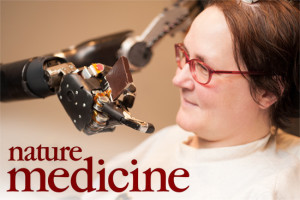
Seconds after a brief smile of anticipation flashed across her face, Jan Scheuermann moved a bar of chocolate toward her mouth by controlling a robotic prosthetic arm. Finally, she...

In the latest report on BrainGate, an investigational device that allows people with paralysis to control computer cursors just by thinking about the movement of their own hand, researchers...
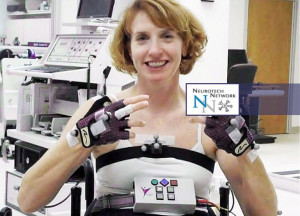
Jennifer French from St. Petersburg, Florida, is an incomplete quadriplegic. Thanks to advancements in assistive technology, she can stand, transfer, exercise and live independently. To promote new studies, equipment, treatments and therapies that...
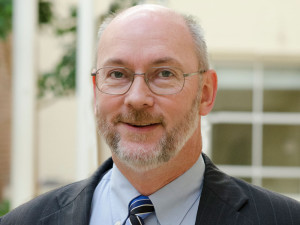
A researcher at Case Western Reserve University received a $2.4 million federal grant to figure out why high-frequency electrical stimulation to the spinal cord reduces or eliminates chronic pain....
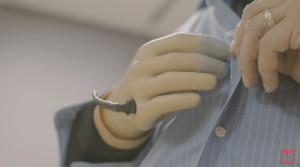
An innovative prosthetic hand is allowing people to feel again Igor Spetic, 49, lost his right hand in a work related accident five years ago. But on Oct. 9,...
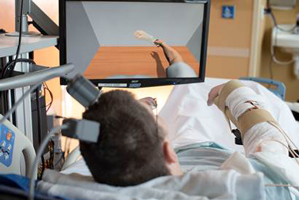
After doctors bridge his spinal injury with electronics, a paralyzed man can control his arm with his thoughts. Scientists at Case Western Reserve University in Ohio say they’ve used...
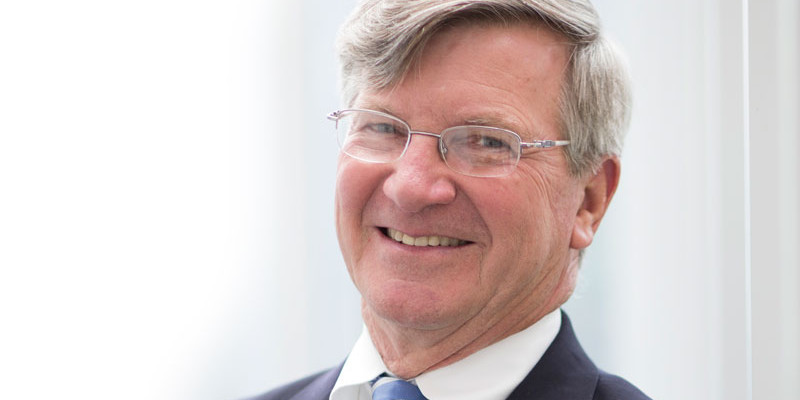
P. Hunter Peckham, PhD was presented the 2015 Case Western Reserve Medal for Health Science Innovation, the School of Medicine’s highest honor, for his efforts in advancing research, education,...
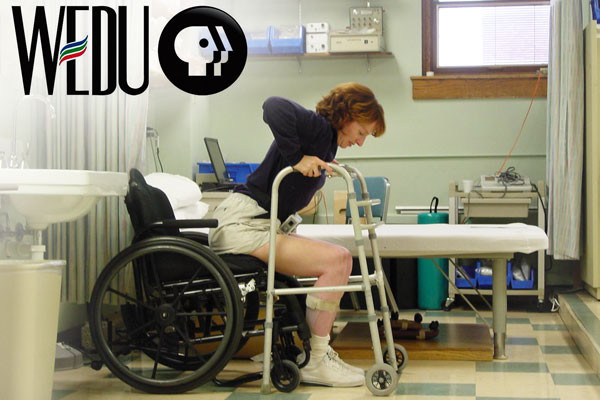
At the age of 26, Jennifer French’s life changed after suffering injury to her spinal cord in a snowboard accident. 2 years after becoming a quadriplegic, she found help...

We have the technology to dramatically increase the independence of people with spinal-cord injuries. The problem is bringing it to market and keeping it there. One night in 1982,...

On the ceiling of the Sistine Chapel, God reaches out to touch Adam. The eye locks on the small gap between their index fingers, a slice of space dividing...
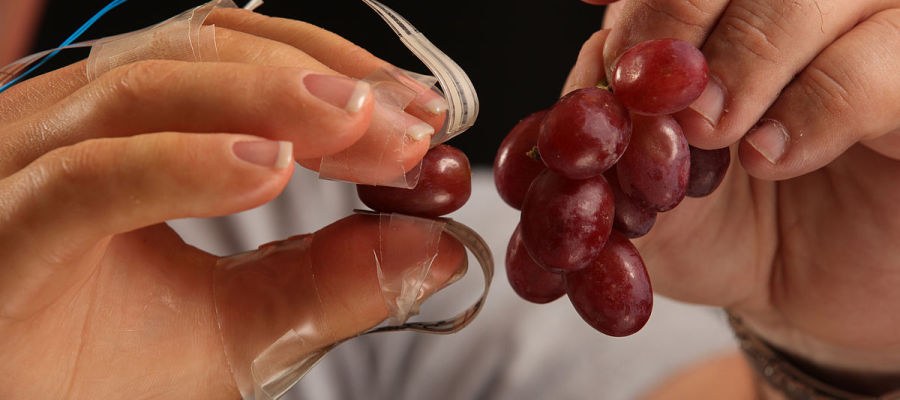
Technology reconnects amputees to the world of sensation A team of scientists led by Dustin Tyler from Case Western Reserve University in Ohio is reporting a breakthrough that might...

Igor Spetic was blindfolded in the test as he moved his prosthetic hand across a table as he attempted to pick up cubes about the size of walnuts. But...
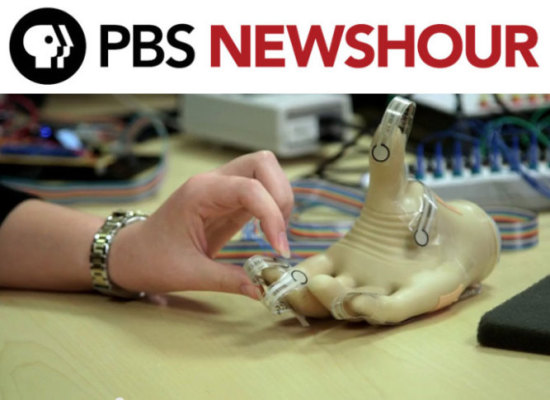
Prosthetic limbs have long been clunky, acting more as appendages than extensions. But modern technology is now helping amputees rediscover their sense of touch. Miles O’Brien, who lost his...
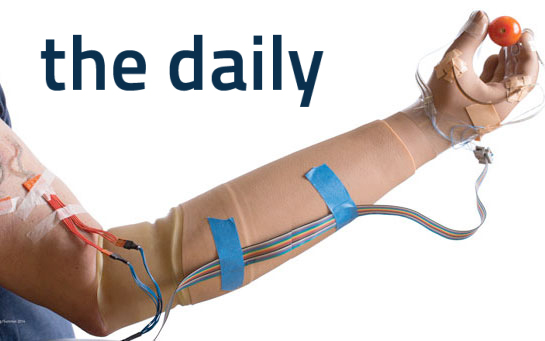
Case Western Reserve University researchers who helped restore a sense of touch to amputees in a U.S. Department of Veterans Affairs lab in Cleveland are finalizing contract negotiations for...
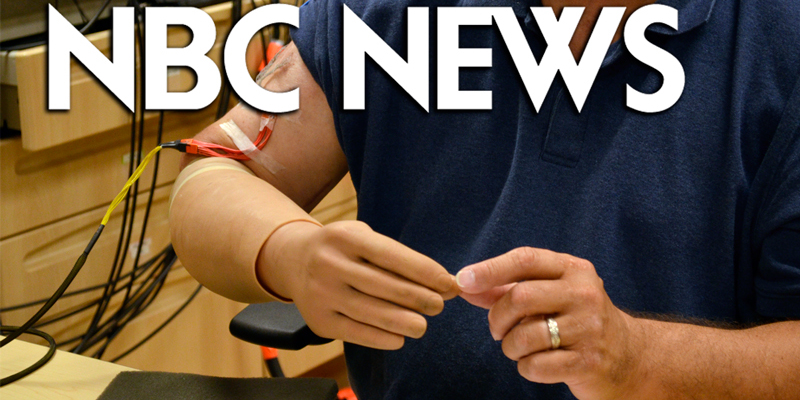
Veterans with prosthetic hands could someday regain their sense of touch thanks to a new DARPA initiative. It’s called the Hand Proprioception and Touch Interfaces (HAPTIX) program, and the...
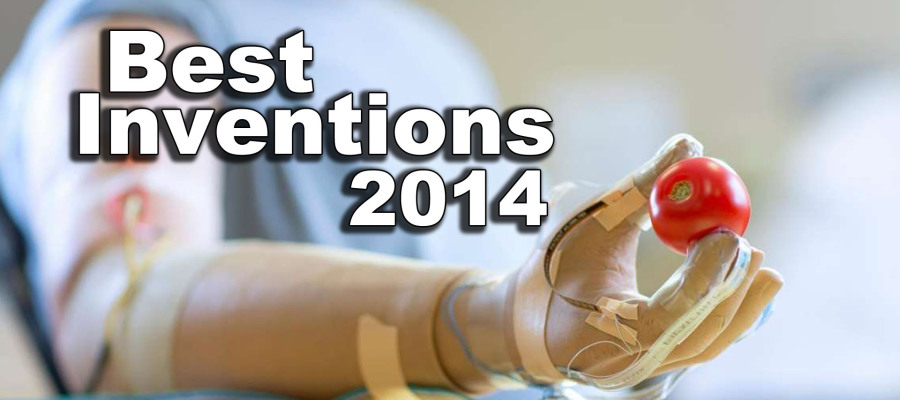
Amputees are glad to get a prosthetic hand that can perform regular tasks. But it’s not the same as having feeling in your hand.
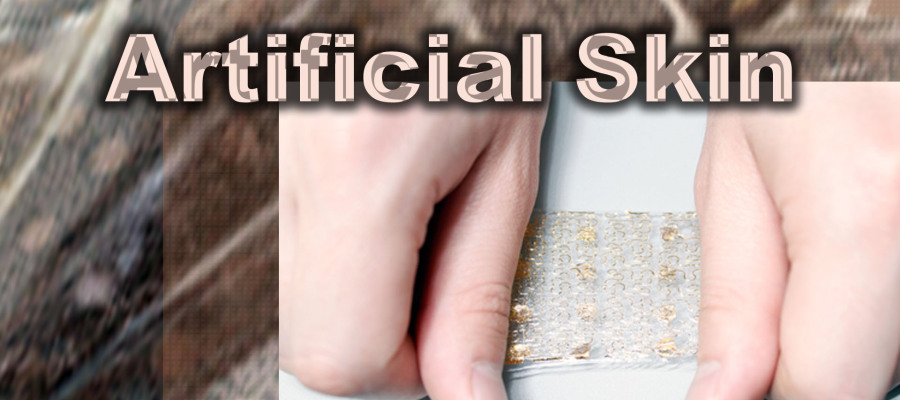
Some high-tech prosthetic limbs can be controlled by their owners, using nerves, muscles, or even the brain. However, there’s no way for the wearer to tell if an object...
Addressing regulators, members of industry, and other stakeholders, Jennifer French delivered a powerful message about those requiring brain–computer interface (BCI) devices to treat paralysis and other neurological conditions: “We...
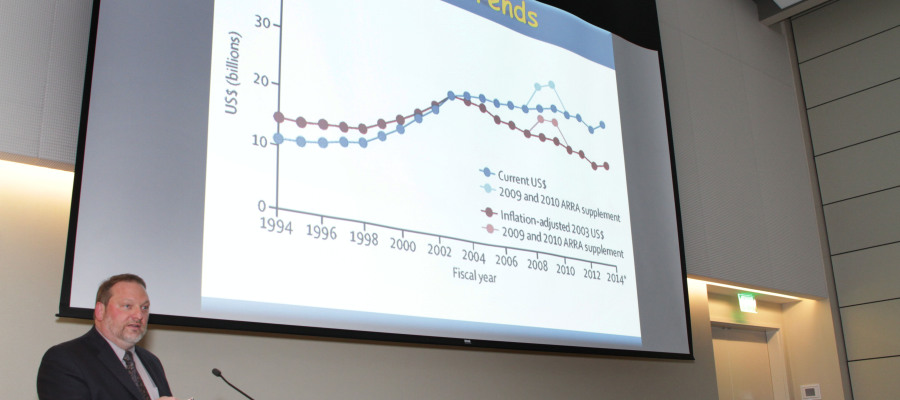
Cleveland, OH – October 29, 2014 State of the FES Center 2014 presented by Robert F. Kirsch, PhD, Executive Director Click here to download the full presentation.

Cleveland, OH – October 24, 2014 The Cleveland Functional Electrical Stimulation (FES) Center is recognized as the Most Valuable Non-Profit in the field of Neuromodulation Research. Neurotech Reports, the...
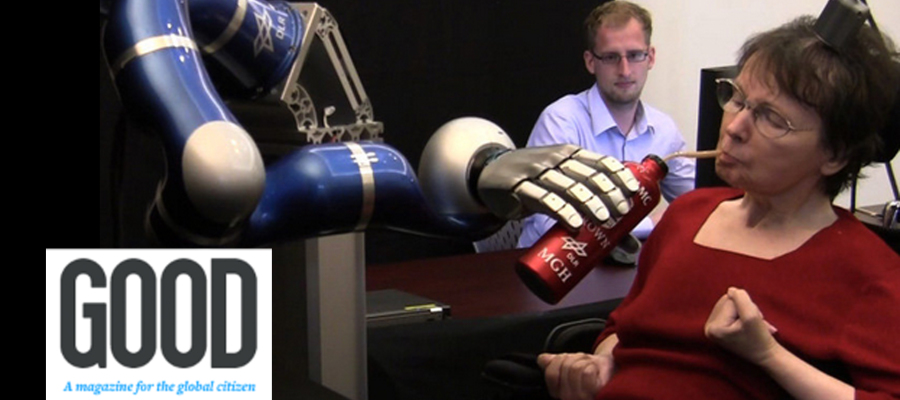
Cathy Hutchinson demonstrates thought-relaying technology that allows her to take a sip of coffee
Chronic pain, hearing loss, sleep apnea, Parkinson’s disease, epilepsy, paralysis from stroke or spinal cord injury.
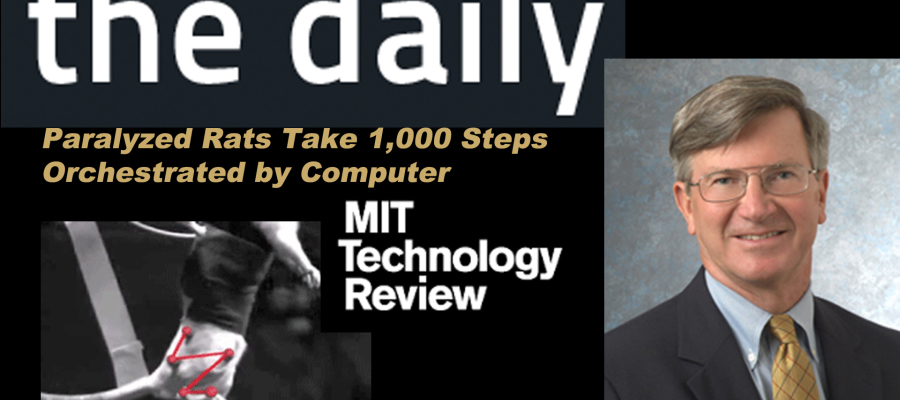
MIT Technology Review: Hunter Peckham, the Donnell Institute Professor in the Department of Biomedical Engineering
Electrical currents are being used to help control the movement of otherwise paralyzed limbs.Dr. Robert Kirsch, Executive Director of the FES (Functional Electrical Stimulation) Center joins Michael & Maureen...
When you prick your finger, what you feel is a consequence of activity in the brain, not the finger itself. Biomedical engineers using this concept are leading an evolution...
Prior to sustaining a spinal cord injury in 1998, Jennifer French was, among other sports, an active snowboarder and skier, sailor, fly fisher, and scuba diver. Today, thanks to...
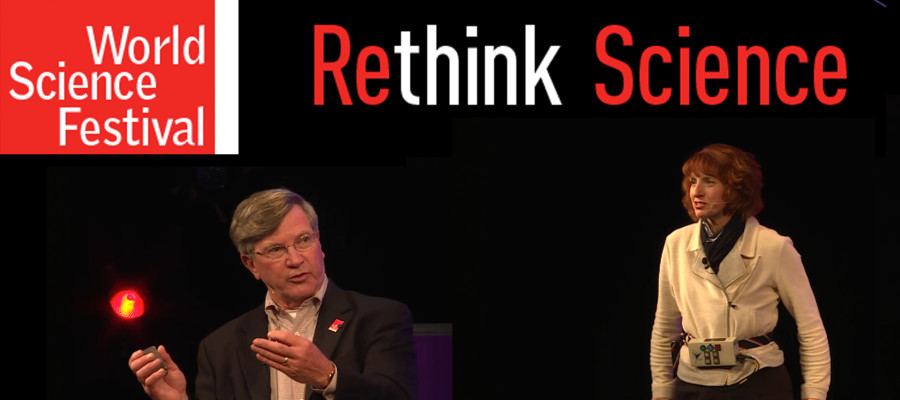
In the future, a woman with a spinal cord injury could make a full recovery; a baby with a weak heart could pump his own blood. How close are...
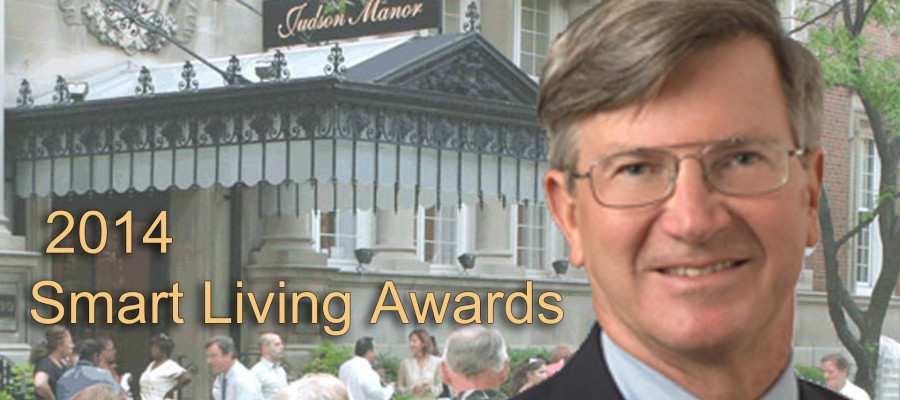
The intersection of engineering and medicine is a sweet spot called neuromodulation, which involves electronic implants that can restore movement and body functions. In the center of this research—and...
The widely reported iPad-based app that tests athletes for concussions after they take a big hit in football or other sports epitomizes Jay Alberts’ work integrating engineering principles and...
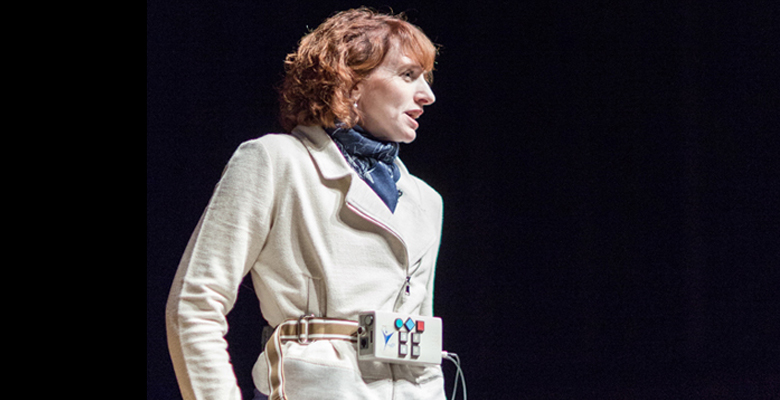
As a result of a snowboarding accident, Jennifer French became a quadriplegic from a C6-7 incomplete spinal cord injury in 1998. She is an active user of Functional Electrical...
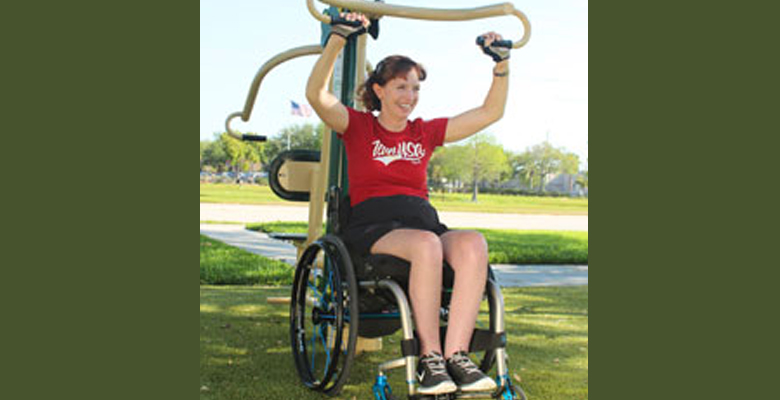
Imagine enjoying a sunny day on the slopes, sliding down the side of a mountain on your snowboard. One moment you’re feeling free and in control – the next,...
Dustin Tyler, associate professor of biomedical engineering, is a co-lead investigator on a team that received a $199,913 grant from the Rehabilitation Research and Development (RRD) Service Small Projects...
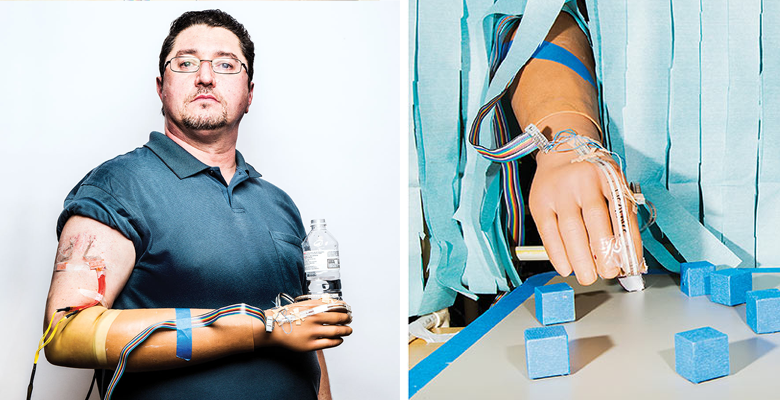
Igor Spetic’s hand was in a fist when it was severed by a forging hammer three years ago as he made an aluminum jet part at his job. For...
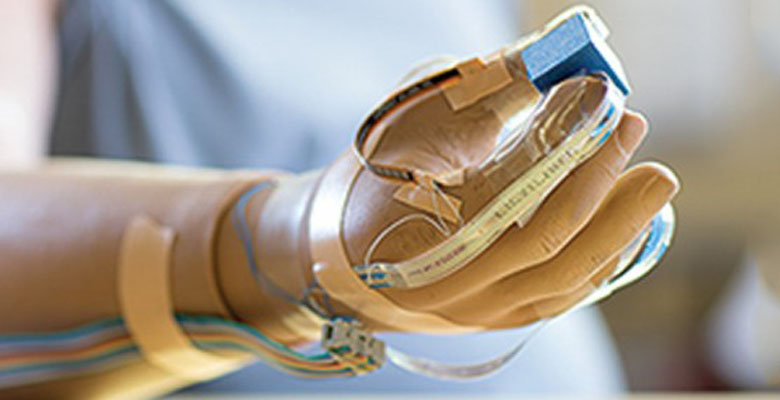
Recent years have brought huge advances in prosthetics, but there is still much work to be done in replicating the intricacy of the human hand. Scientists have developed ways to...
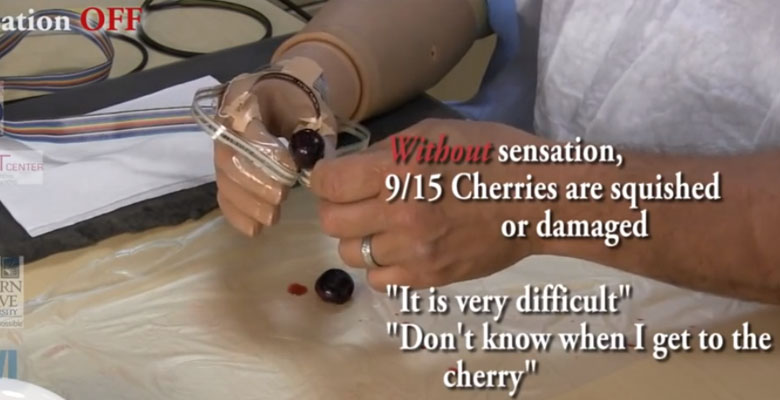
Artificial limb technology has seemingly languished for a long time in the land of primitive pink plastic prosthetics, but a new development could change that. Researchers have produced an...

Sense of Touch, a segment on Dr. Tyler’s VA research, coordinated by the Cleveland FES Center, aired January 14, 2014 on Discovery Channel’s Daily Planet. Program Link
One problem with most prosthetic hands, is that they don’t give the user any sense of touch. This makes it almost impossible to know how much force to use...
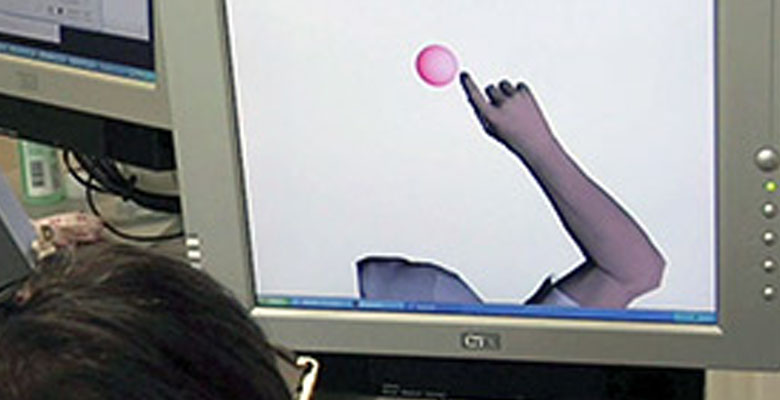
Doctors will attempt to reanimate a patient’s paralyzed arm with a pioneering surgery that involves capturing signals from his brain and restoring movement through a fine network of electronics...
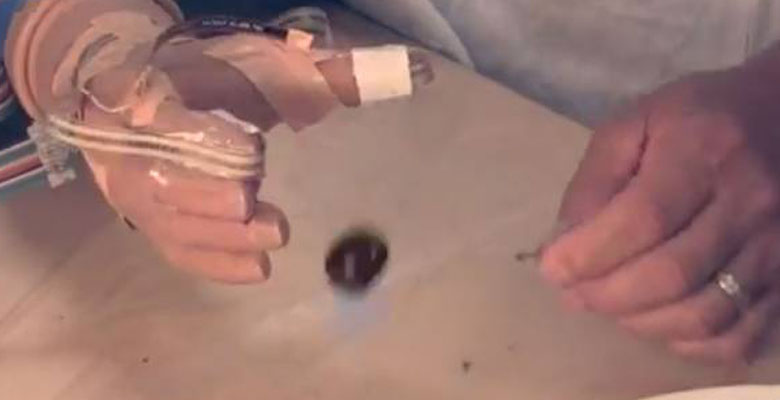
A new form of prosthetic interface has been developed raising the possibility that future amputees might not only have their mobility restored, but also their sense of touch. Although...
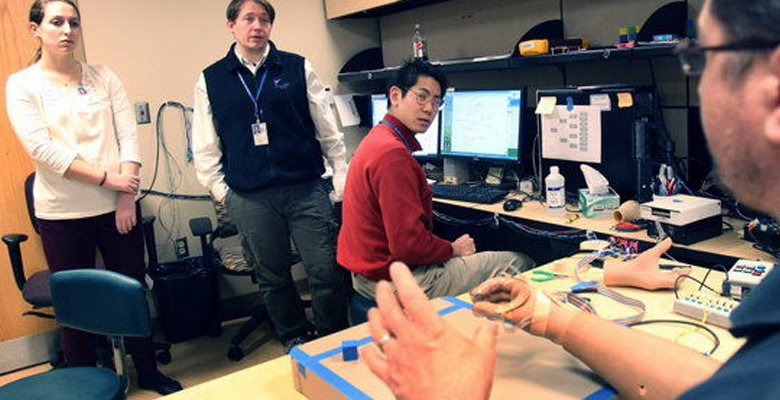
CLEVELAND, Ohio– Plucking the stem off a fat, juicy cherry may seem like a simple task, but it’s practically Herculean for an artificial hand—that’s because the prosthetic limbs,while much...
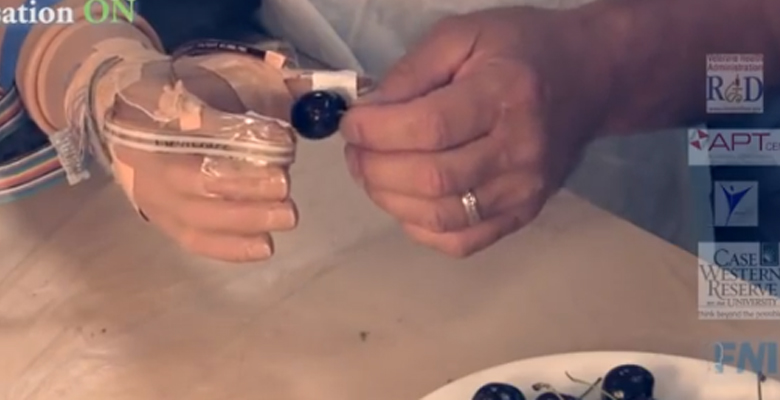
Amputee Igor Spetic says the device can even produce the sensation of touching different textures, such as smooth metal, fluffy cotton balls, rough sandpaper, and soft hair. Over the past...
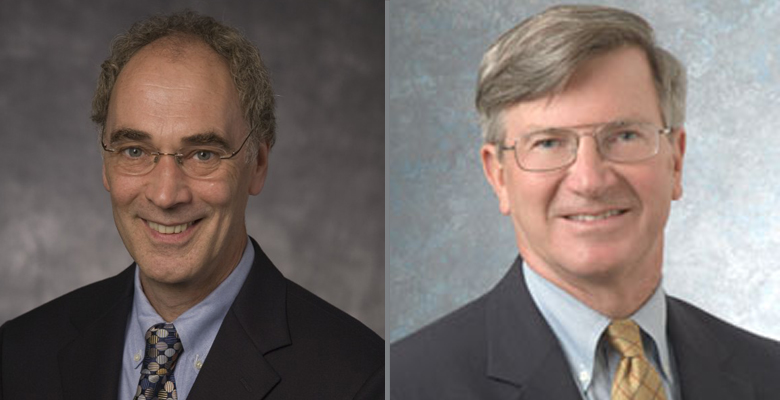
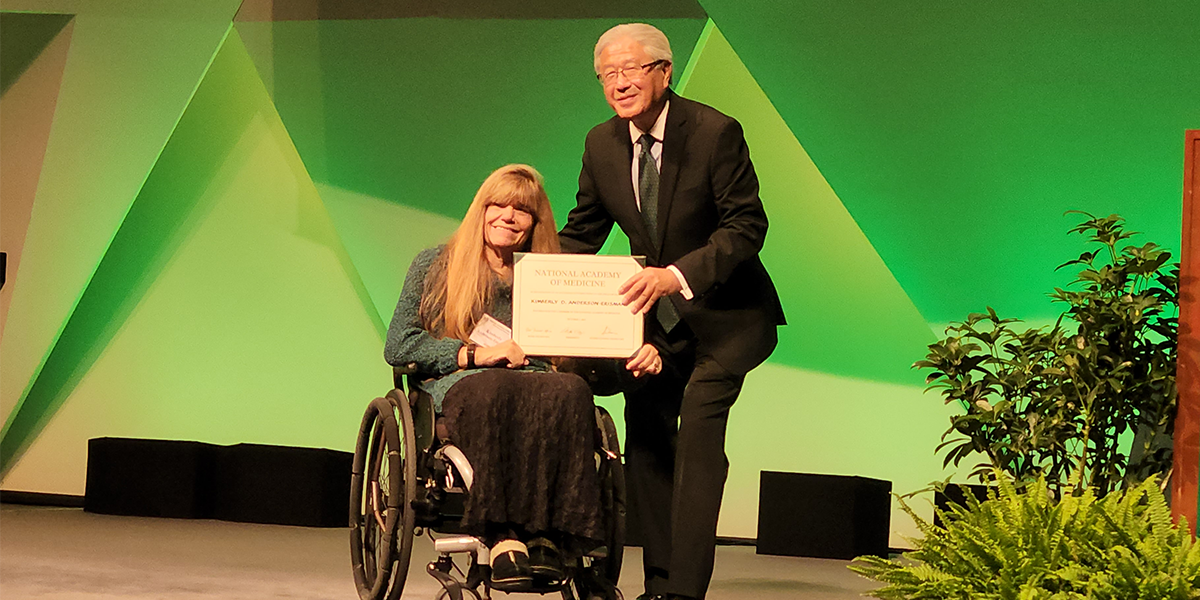
Two Case Western Reserve University scientists who are leaders in innovation and turning discoveries into improvements in health, new materials and more have been named Fellows of the National...
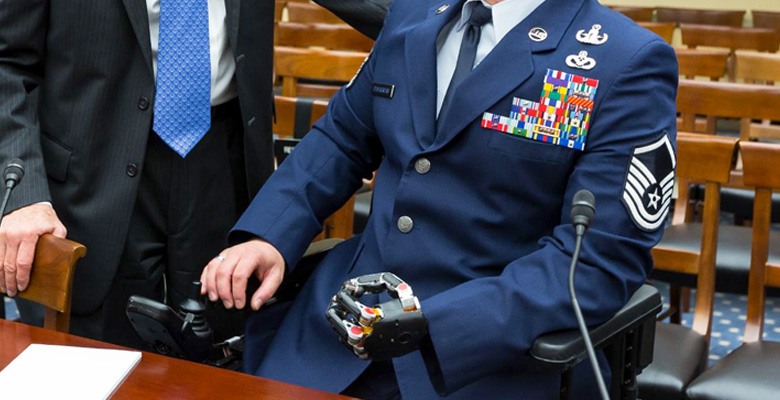
A new nerve interface can simulate a sense of touch from 20 spots on a prosthetic hand. There have been remarkable mechanical advances in prosthetic limbs in recent years,...

Megan Moynahan, Executive Director, Institute for Functional Restoration, presents at TEDxBrussels “Engineering the Human Nervous System”. View the Presentation
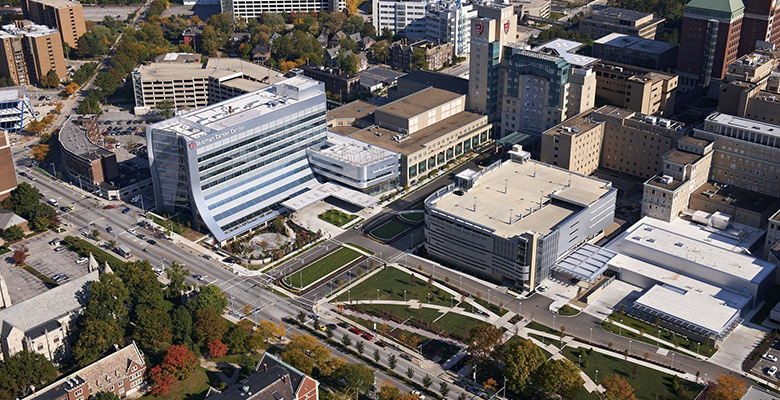
Case Western Reserve University has appointed Robert F. Kirsch chairman of the biomedical engineering department and Kenneth A. Loparo chairman of the electrical engineering and computer science department. Kirsch...
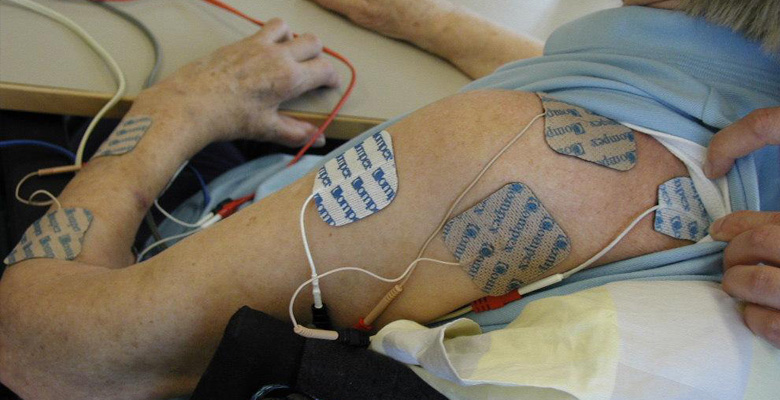
The Cleveland FES Center was established in 1991 as a consortium between the Cleveland VA Medical Center (CVAMC), the private educational institution of Case Western Reserve University (CWRU), and...
Musa Audu, research associate professor in the Department of Biomedical Engineering, received the Case Western Reserve University Biomedical Engineering Society’s Outstanding Undergraduate Teaching Award for 2012-2013. Audu was cited...
The Ohio Third Frontier Commission has awarded $6 million to two teams led by Case Western Reserve University that are developing new medical technology, as well as more than...
Financial planner Scott Fessler was a highly energetic, athletic young father when at the age of 33, he was in a near-fatal motorcycle crash. Scott suffered fractures to his...
The timing could not have been more eerie. It was the night of Friday the 13th in 1998, under the light of the full moon, when then 26-year-old Jennifer...
Case Western Reserve University’s undergraduate biomedical engineering program jumped to eighth nationally in U.S. News & World Report’s 2013 college rankings, up from 13th last year. The rise coincides with...
One of the first patients to receive implanted muscle stimulation technology developed at the Cleveland FES (Functional Electrical Simulation) Center will represent the United States in sailing this weekend...
Dale thought he would never walk again after a fall from a ladder crushed his spine, leaving him paralyzed from the chest down. However, thanks to research conducted by...
Bob Veillette will never move again. But that does not mean he will never again grab a cup of coffee. The technology that may allow him to do that,...