Driving a solution
All reside under one umbrella: pelvic health. In our culture, that subject sometimes is taboo. It should not be. For those living with it, the lack of bladder, bowel and sexual function are a daily reminder of their condition.
The FES Center propels the work of scientists, engineers and clinicians in the use of Functional Electric Stimulation (FES) to improve the lives of those with neurological or other musculoskeletal impairments.
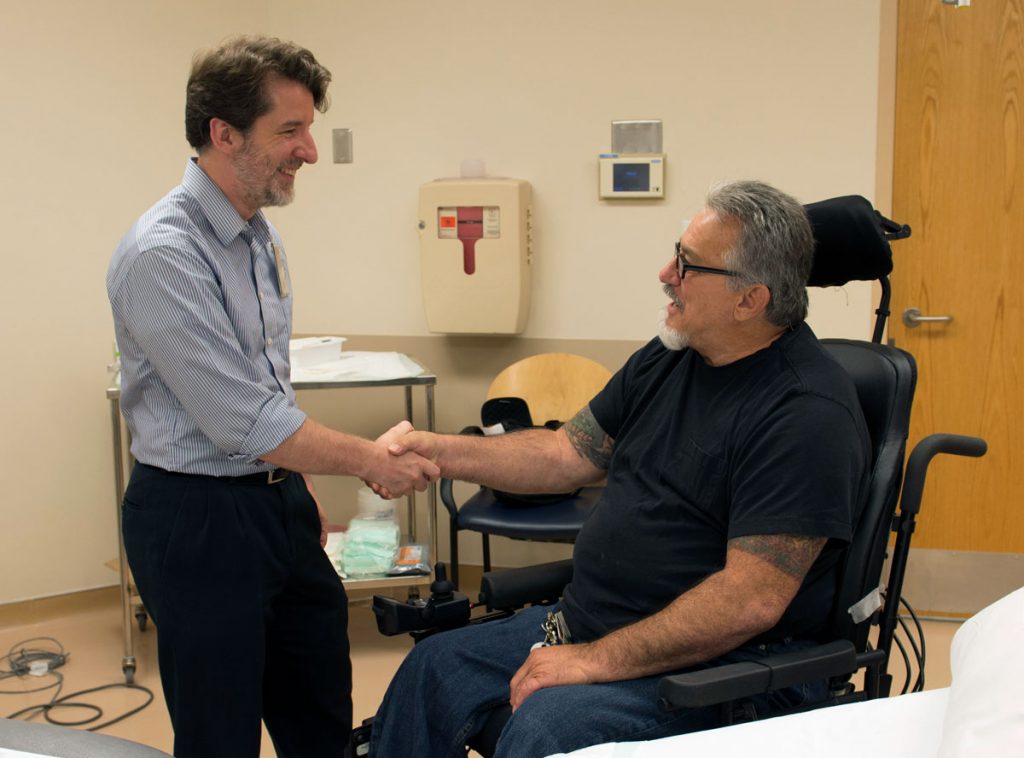
Bourbeau, Steven Brose, DO, and Ken Gustafson, PhD, are national leaders in the area of pelvic health and thrive in the FES atmosphere of collaboration in search of solutions.
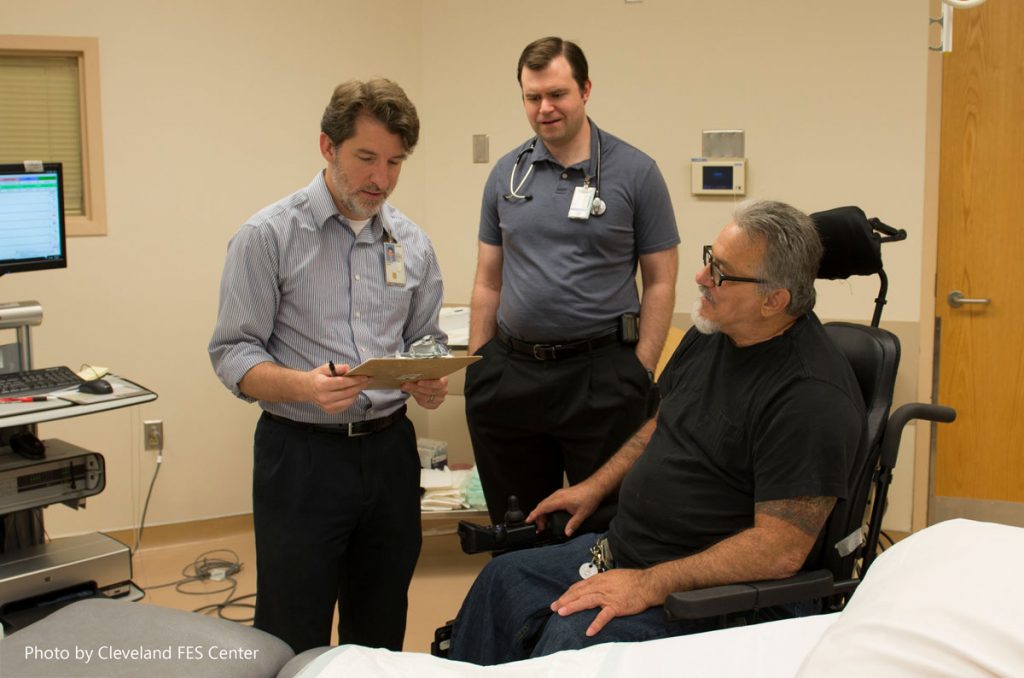
Gustafson points out that millions of Americans deal with some type of bladder dysfunction. Some cases are so severe it keeps people from attending family activities or even leaving the house.
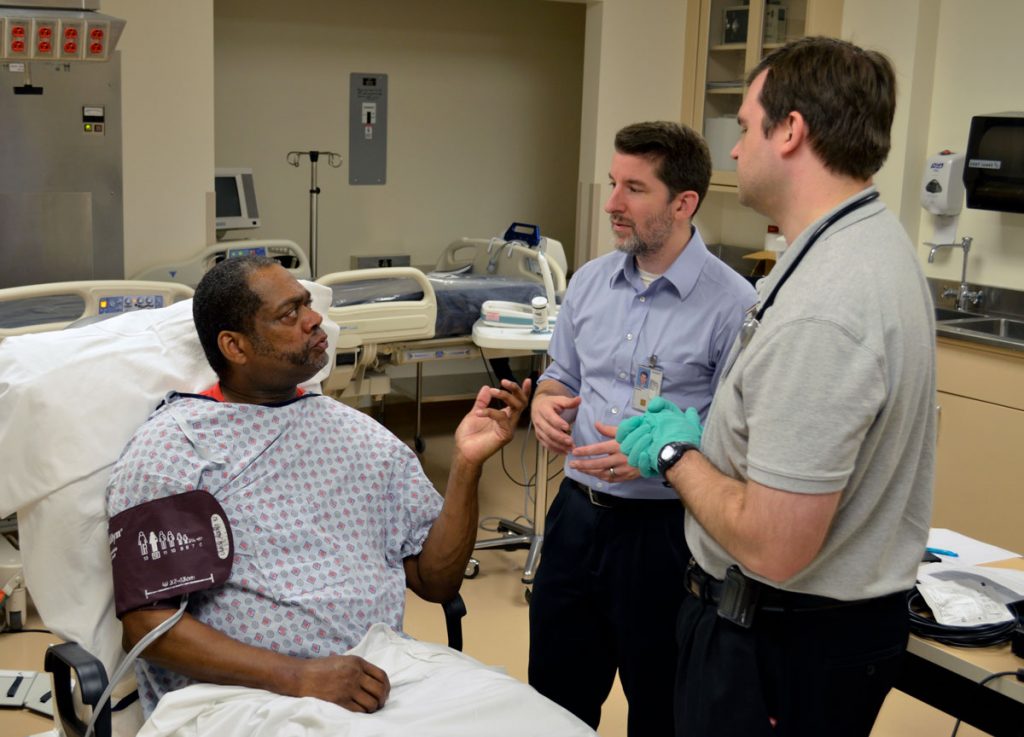
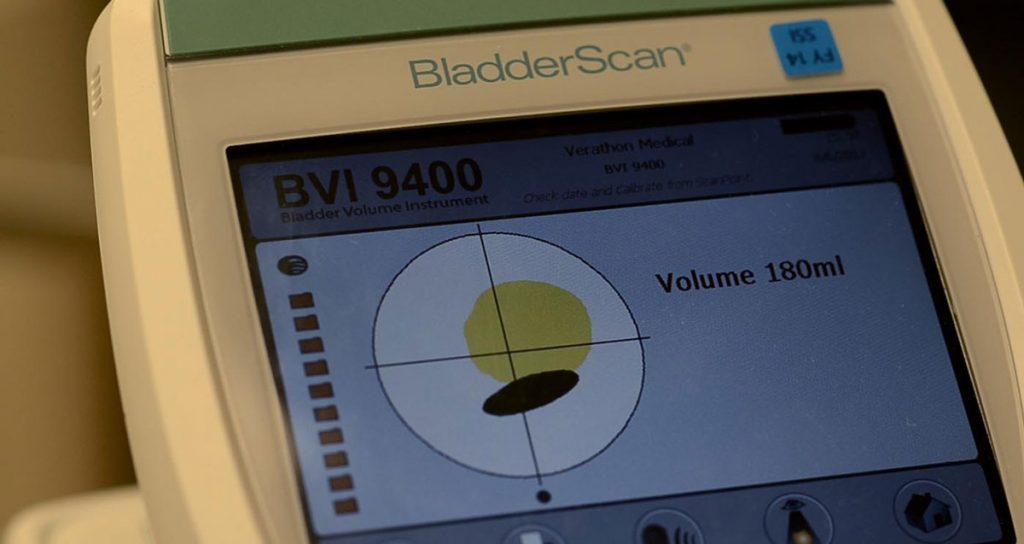
Dr. Brose’s clinical research has focused on finding a solution to bladder incontinence. Current options often rely on catheters, which can cause insertion ] challenges and potential urinary tract infections.
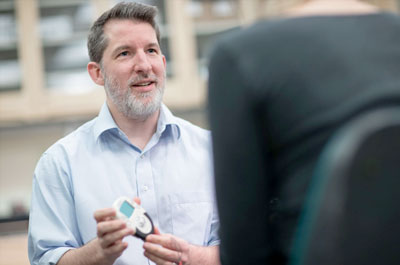
The investigators have developed non-invasive electric devices controlled by a small remote. When the urge to urinate is felt, the participant can hit a button, which reduces the need to go.
They also began trials involving a patient-controlled “bladder pacemaker” to help participants maintain continence and independence.
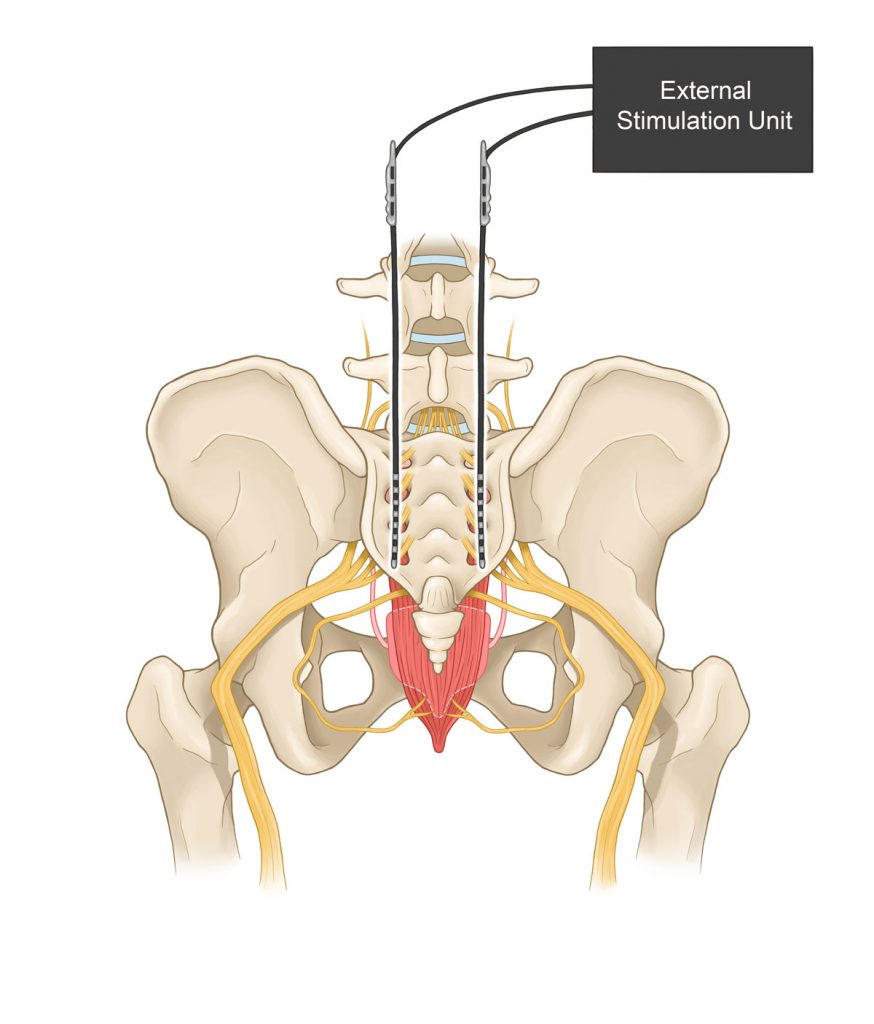
Bourbeau is also studying stimulation of genital nerve branches and sacral spinal cord electrodes to support bladder emptying without a catheter.
Expanding the studies
Bowel function is the next challenge. Bourbeau explains that many people with SCI follow strict bowel-emptying routines and hope there is no incontinence between sessions.
Methods used today are often difficult and time-consuming. Dr. Brose and Bourbeau are early in research to produce similar effects through targeted stimulation.
Research into bowel function takes longer because the biology is complex and harder to measure. Even so, overlap in neural pathways between bladder and bowel systems suggests promising potential.
“I’m just so excited that we’re getting bowel function into our repertoire,” Bourbeau says.
Research into sexual function could follow.
Bringing solutions home
Gustafson now sees other FES investigators asking how to use pelvic-team-developed devices in other research areas. He describes the FES Center philosophy as having “one key” that opens all doors and encourages collaboration.
One application is with amputees, helping restore sensation in hand or foot to improve grasp and balance.
All three investigators are focused on translational research, moving successful lab work into clinical and commercial use so it can help patients directly.
Science drives the research; the heart drives the science.