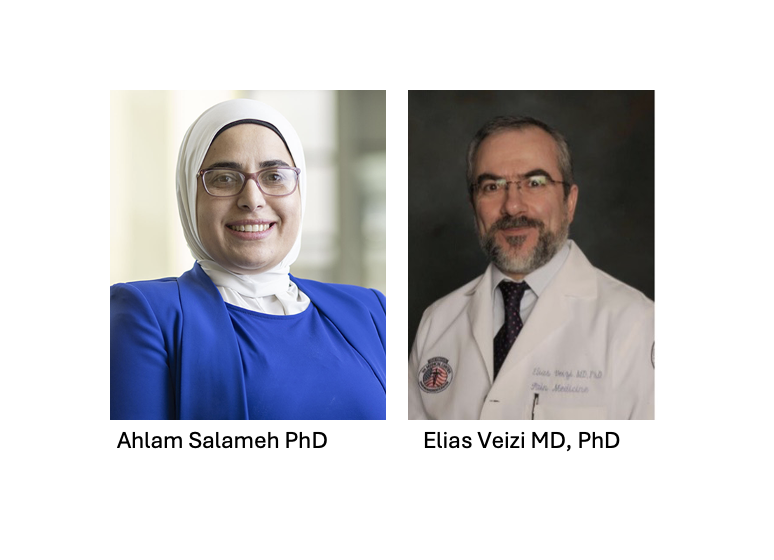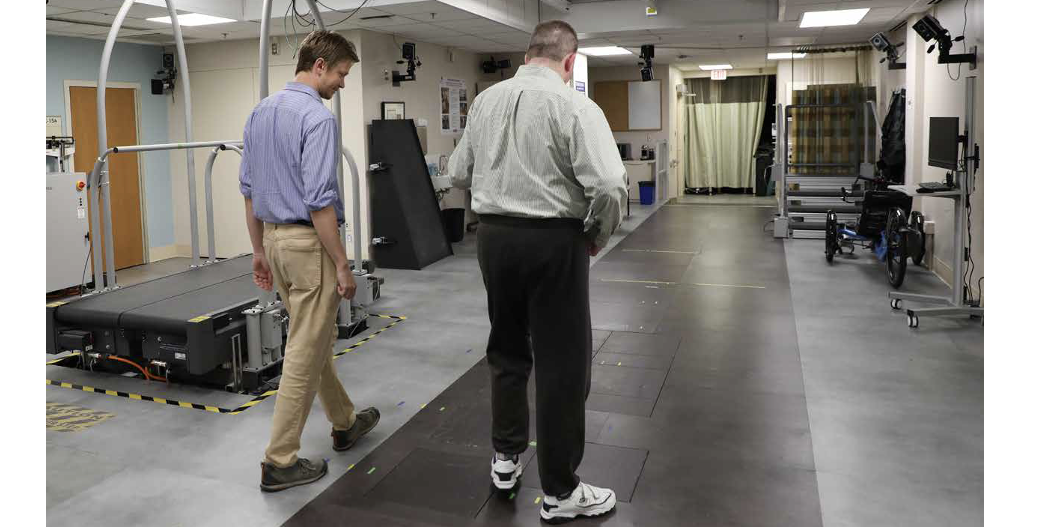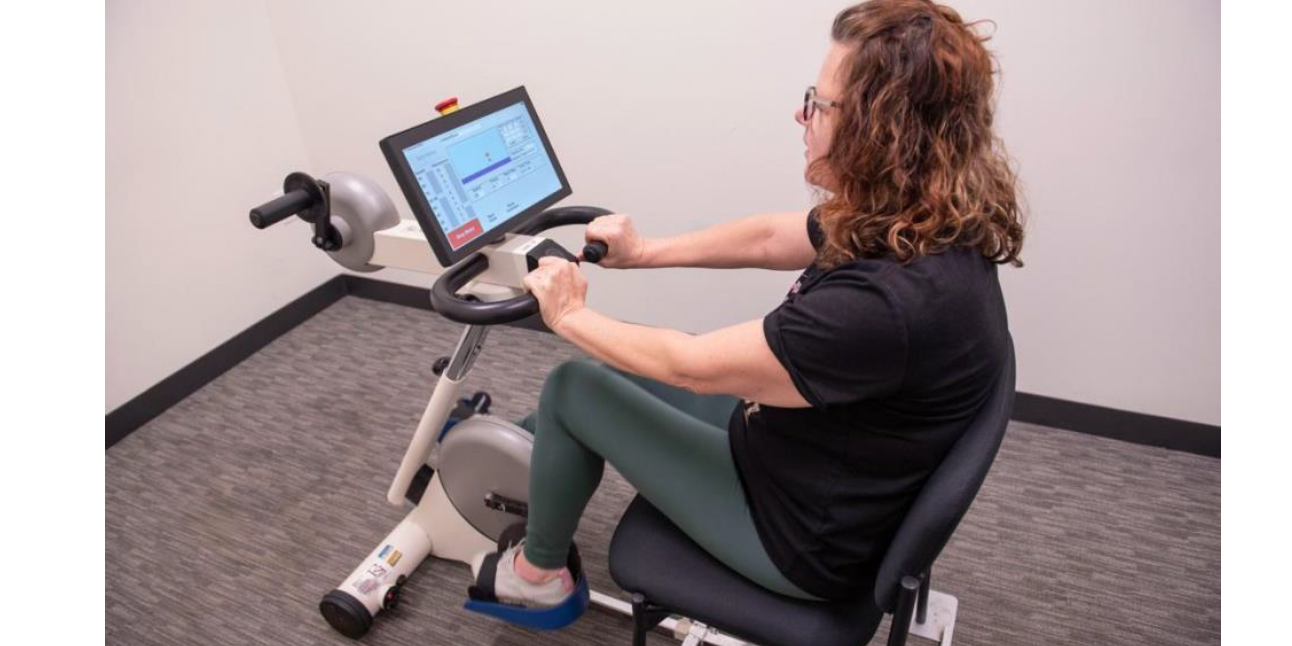
The researchers were also the first to conduct take-home trials of the prosthetics, allowing people to use them at home and in the community, in an effort to understand the impacts of the technology on quality of life.
Gracyk shared that the technology provides sensory feedback from the prosthesis in a way that people can interpret as physical touch, using implanted electrodes in the body around the same nerves linked to the missing limb. Participants have described the sensation as similar and also very informative in relation to using their prosthetic.
The team is now recruiting up to 12 people with upper limb loss for the study from Cleveland and throughout the country. Participants must meet certain conditions to be eligible and be willing to take part in certain trial requirements including using the device at home.
Those interested in being considered for the study can contact Jessica Jarvela at jrw20@case.edu.