Optimizing Treatments for Parkinson’s Disease
FES Center investigators apply both FES interventions and traditional treatments to produce the greatest functional gains.
Parkinson’s disease is a brain disorder that leads to shaking, stiffness, and difficulty with walking, balance, and coordination. Symptoms usually begin gradually and get worse over time. As the disease progresses, people may have difficulty walking and talking. They may also have mental and behavioral changes, sleep problems, depression, memory difficulties, and fatigue.
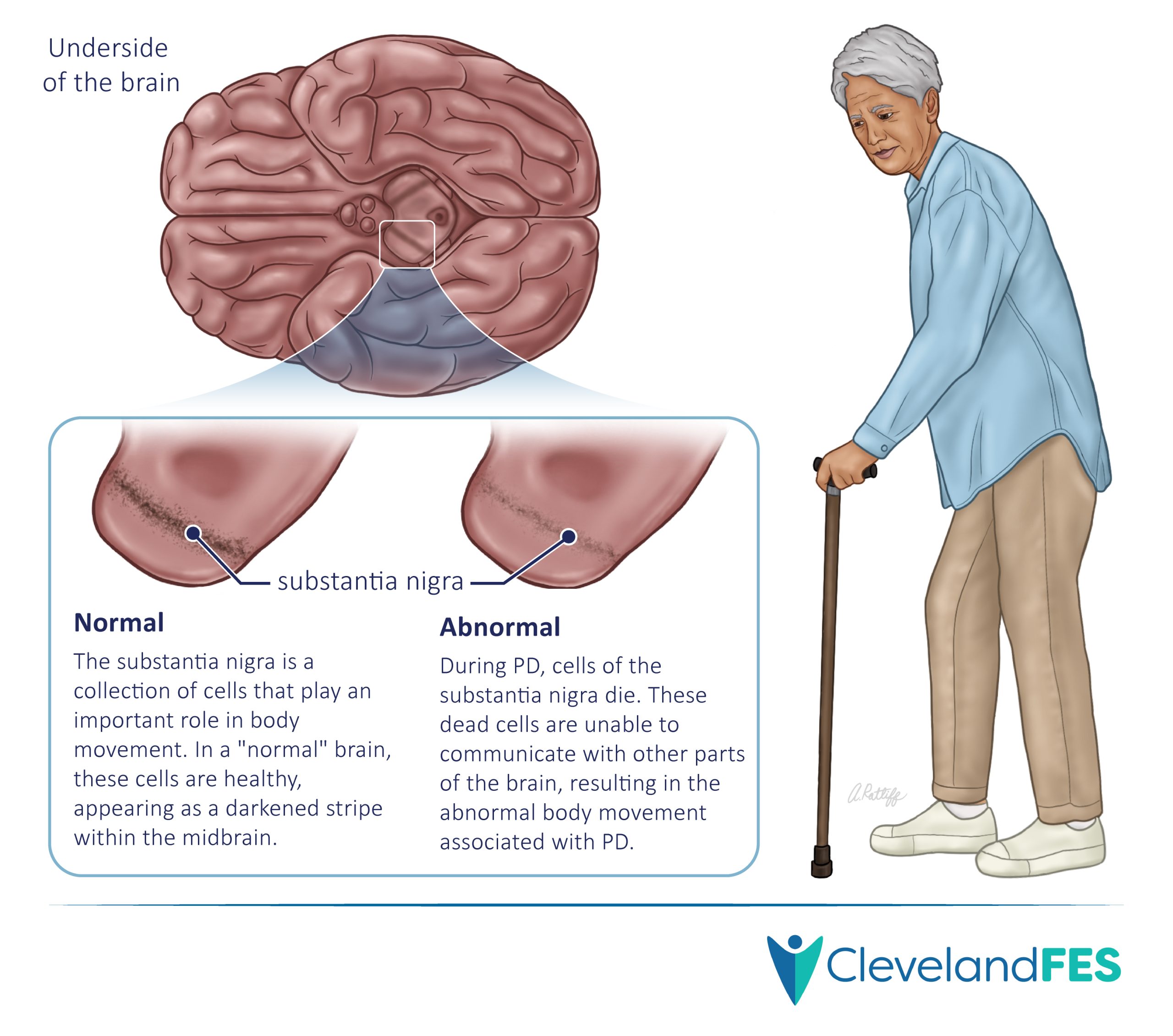
One clear risk factor for Parkinson’s is age. Although most people with Parkinson’s first develop the disease at about age 60, about 5 to 10 percent of people with Parkinson’s have “early-onset” disease, which begins before the age of 50. Early-onset forms of Parkinson’s are often, but not always, inherited, and some forms have been linked to specific gene mutations.
Overview of Parkinson’s Disease Programs
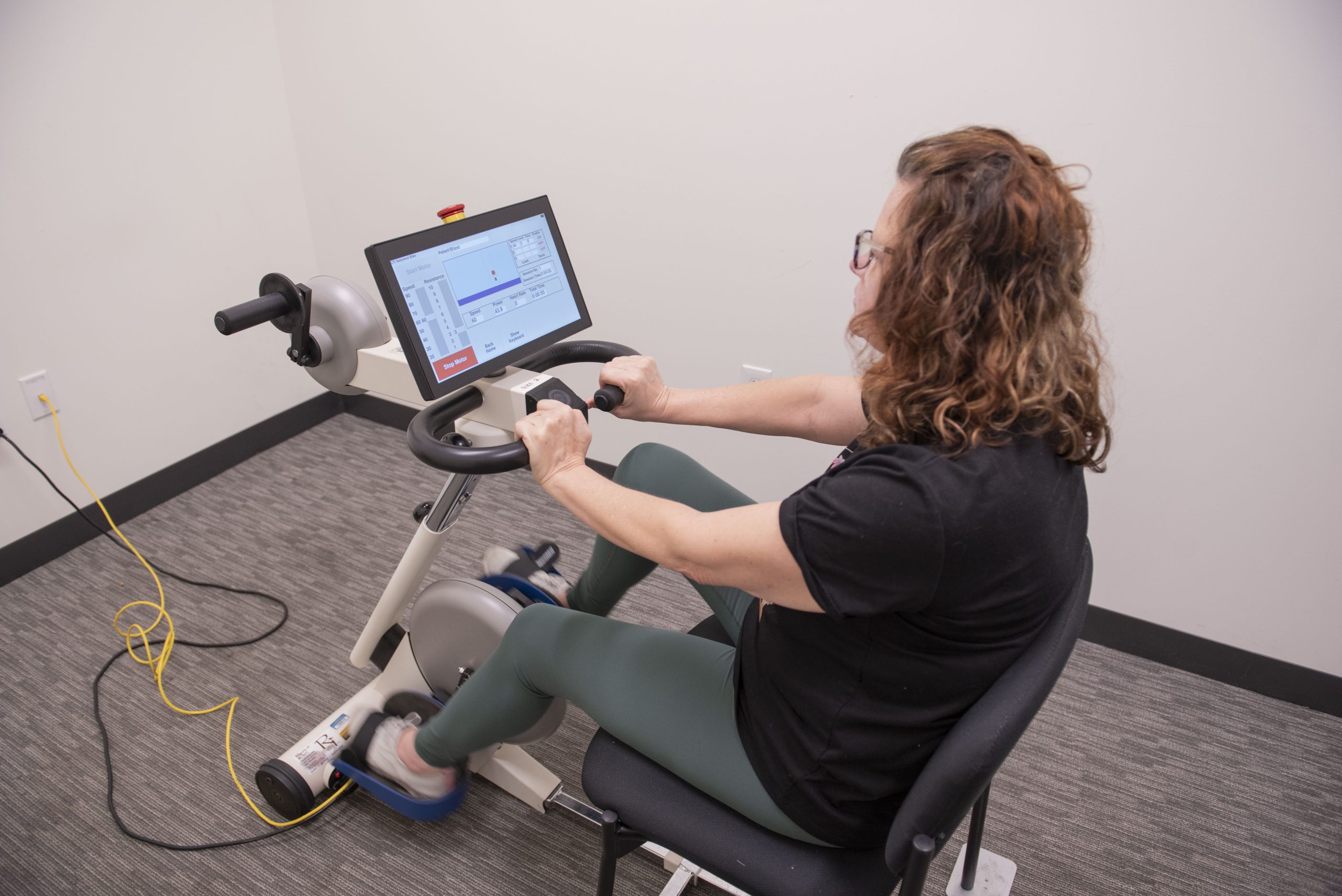
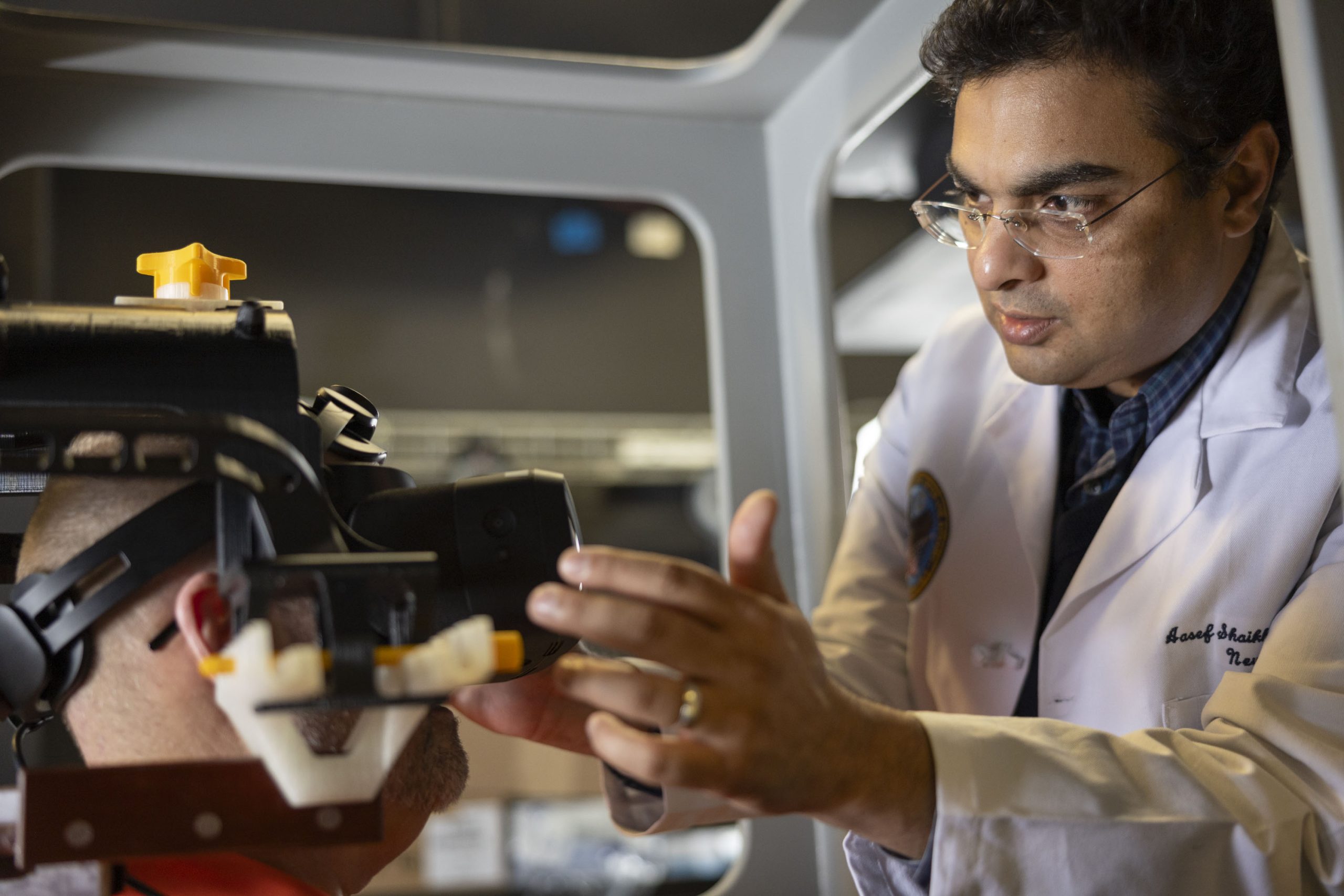
The FES Center’s research for the rehabilitation of people with Parkinson’s Disease can be segmented into three main areas: the use and optimization of deep brain stimulation for treatment of various Parkinson’s-related symptoms, combining long-term exercise programs with DBS to better understand the benefits of exercise for individuals with Parkinson’s Disease, and studies that explore the use of other potential treatments. View the study pages below for details.