
Nerve Block for Spasticity and Autonomic Regulation
This study aims to assess how use of spinal cord stimulation for the treatment of chronic pain impacts brain structure and function.
Uncoordinated or unwanted generation of nerve impulses is a major disabling factor in many medical conditions. These can affect motor, sensory, and autonomic nerves. Many of these pathological conditions could be eased by interrupting these abnormal impulses in the periphery.
The accepted methods of inhibiting neural activity are typically pharmacological (local anesthetics, oral medication, channel blockers, etc.) or surgical (denervation).
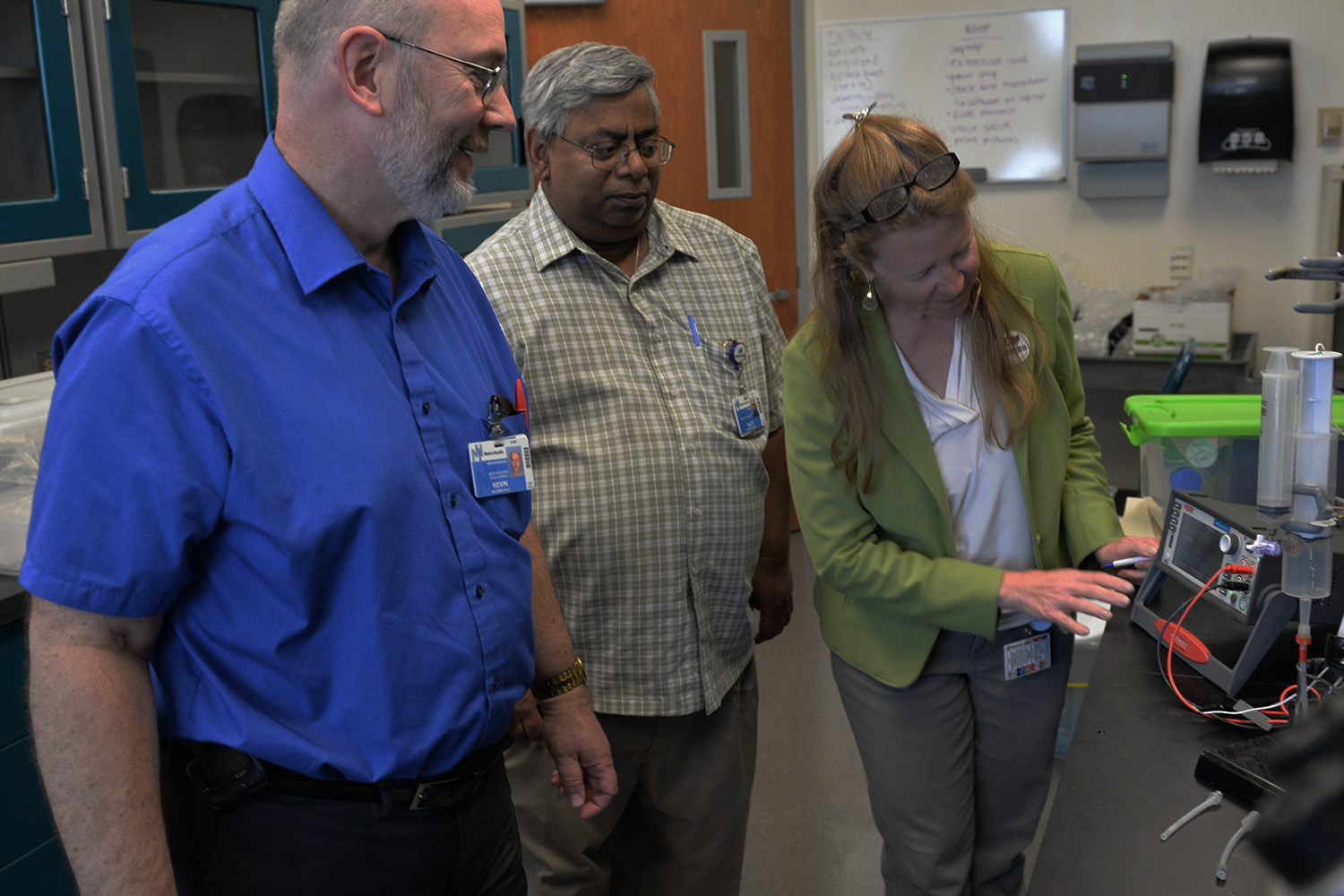
Electrical nerve block has been proposed and evaluated as a means of providing real-time rapidly acting and rapidly reversing nerve block and is a potential candidate for inducing a reliable, rapid, gradable and reversible nerve block.
Spasticity, or abnormally increased muscle tone, is a significant complication of stroke, cerebral palsy, spinal cord injury and traumatic brain injury. Spasticity causes significant disability including loss of movement, contractures and chronic pain.
Electrical nerve block in the form of a non-invasive direct current block has been recently shown to produce motor block, when applied through the skin. This block has the properties of rapidity, reversibility and gradability, and repeatability.
We propose an innovative direct current muscle block strategy delivered through the skin that will reduce spasticity and will aid in the rehabilitation of limb movement by reducing spasticity. The proposal focuses on development and testing of commercial and newly designed surface electrodes to show the efficacy of motor nerve block and investigate the parameters that deliver the direct current safely to both the skin and the target nerve.
For More Information
Principal Investigator: Tina L. Vrabec