
Deep Brain Stimulation to Enhance Post-Stroke Rehabilitation
This study aims to assess how use of spinal cord stimulation for the treatment of chronic pain impacts brain structure and function.
Current post-stroke rehabilitation treatments assist only around half of patients, resulting in an urgent need to develop new therapies for the millions of individuals who suffer from chronic motor deficits.
A recently completed Phase I clinical trial showed promising results for a new deep brain stimulation (DBS) rehabilitation treatment, with some consistency in recovery outcomes across patients.
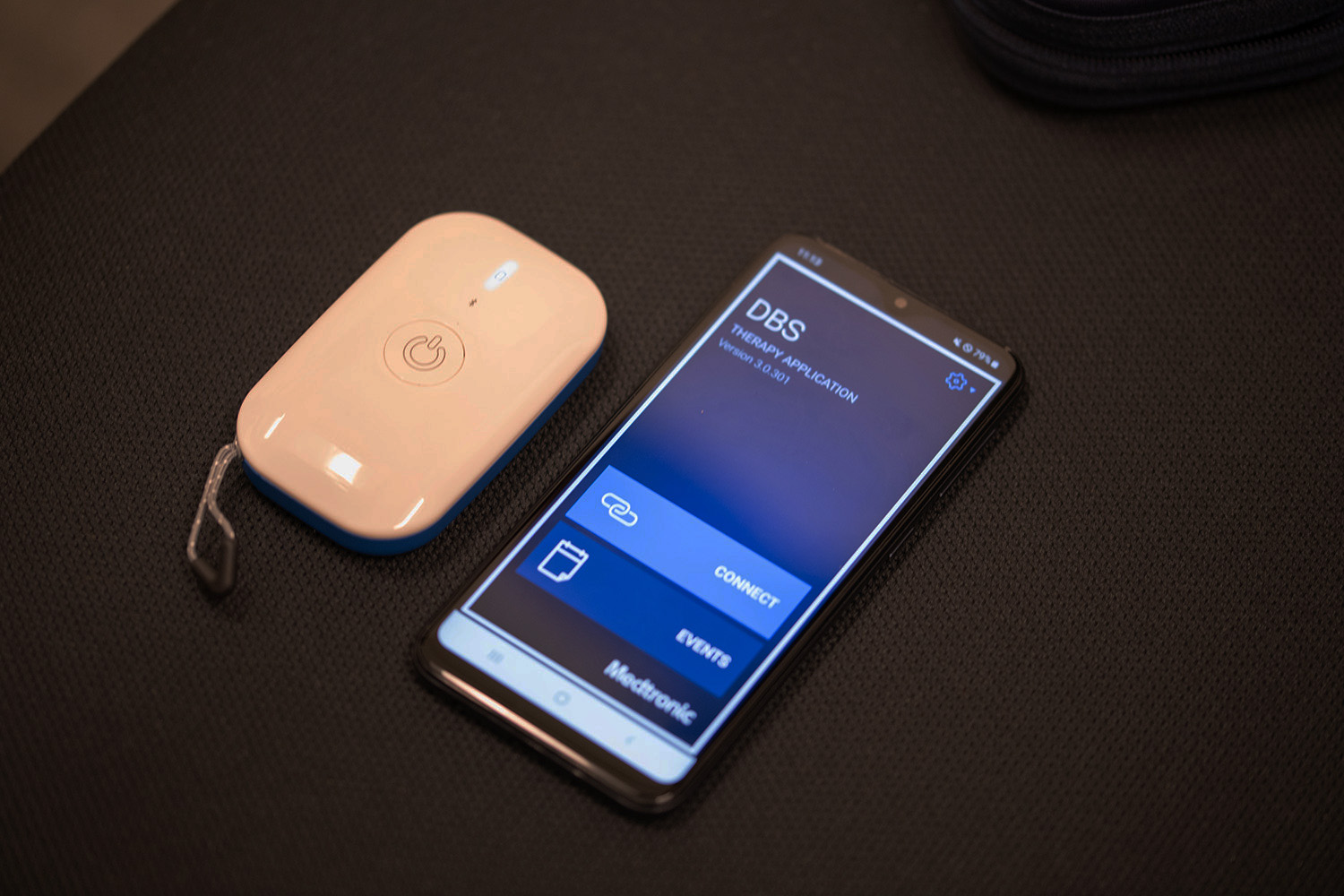
To answer why some patients respond to the treatment while others don’t, a better mechanistic understanding of how DBS contributes to post-stroke rehabilitation is essential. The team’s hypothesis is that patient-specific customization of DBS parameters such as amplitude, frequency and duration are required to address unique differences in brain conditions and to maximize the potential of this new treatment.
The project aims to study how reorganization of the perilesional brain tissue after injury is promoted by DBS, and to develop a subject-specific approach for tuning the DBS parameters to enhance recovery.
The work is intended to promote better understanding of the cortical reorganization process during recovery and has the potential to assist in improving patient quality of life.
For More Information
Principal Investigator: Hod Dana
Other Investigator: Kenneth Baker