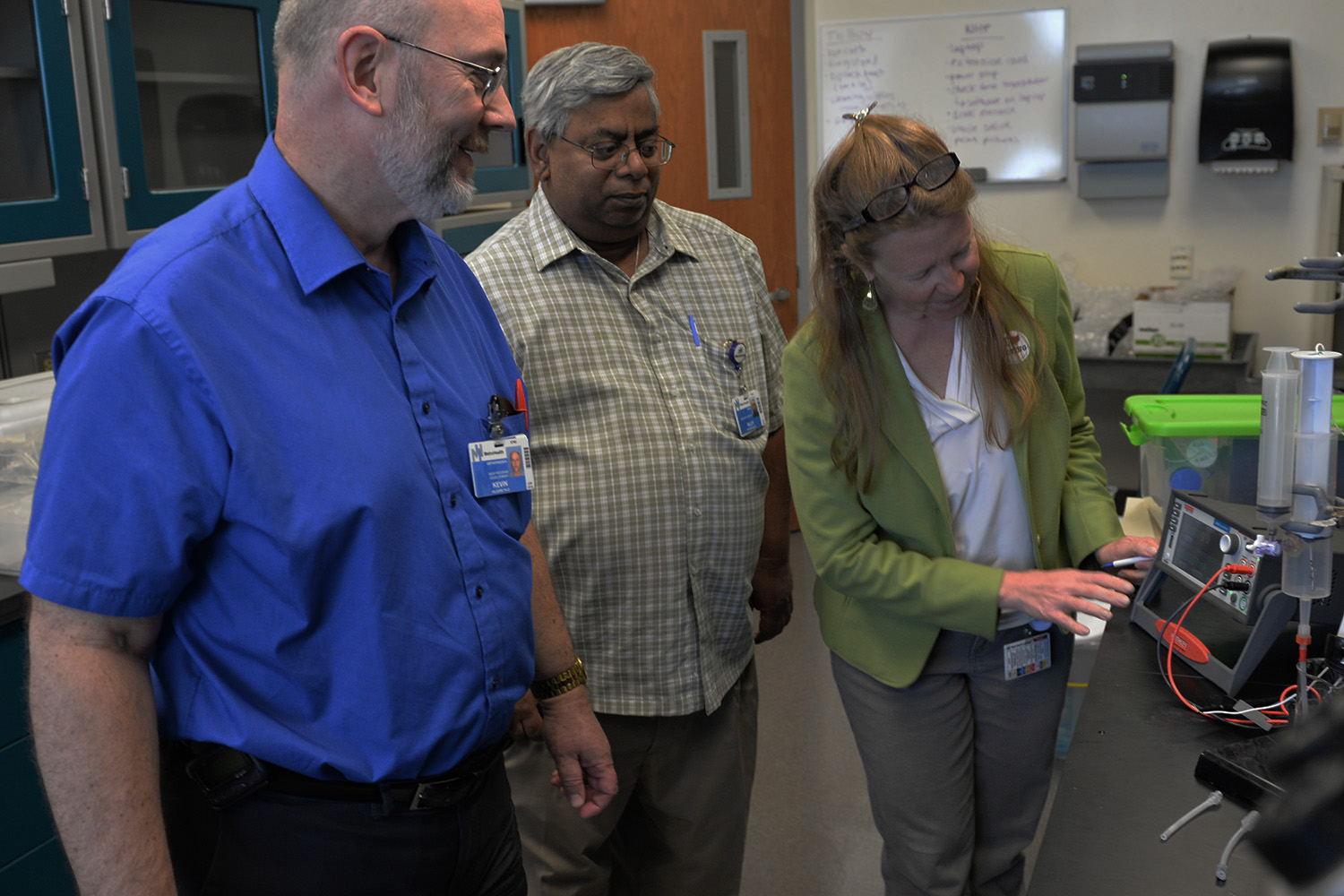
Nerve block for spasticity and autonomic regulation

Investigator members of the Cleveland FES Center develop and manage fundamental studies and technologies in addition to clinical studies. Basic research studies center around the development and testing of hypotheses which often serve as the foundation for additional applied studies. They may also lead to pre-clinical feasibility studies and eventually, clinical trials.
The Center is also dedicated to incorporating, prototyping, and developing new technologies and processes that can be explored in fundamental and clinical FES studies.
To this end, we conceive, fabricate, prototype and test advanced technologies supporting our work. We do this by identifying cutting-edge tools, techniques, materials and concepts from across the industry for possible inclusion in FES research and applications.
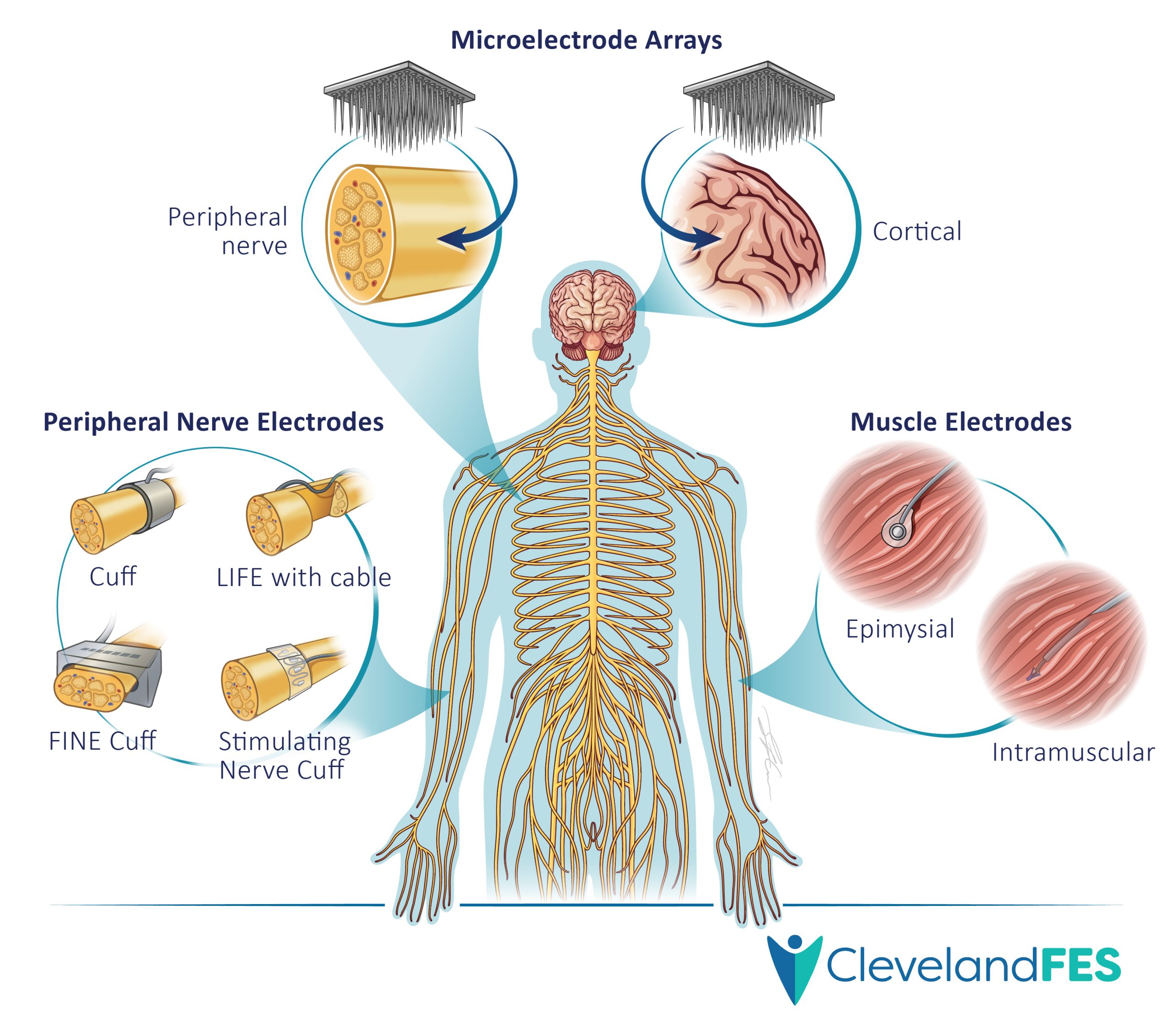
The fundamental studies currently underway by Cleveland FES Center investigators often focus on emerging developments in neuromodulation, including its use to block chronic pain, stimulate movement and facilitate neurological recovery, as well as the advancement and evolution of existing FES tools, devices and techniques.
The technologies under study include the fabrication of small quantities of implantable and external devices for clinical use and as potential prototypes for broader application.
Explore the options below to learn more about our fundamental studies and technologies in development.
Nerve block for spasticity and autonomic regulation
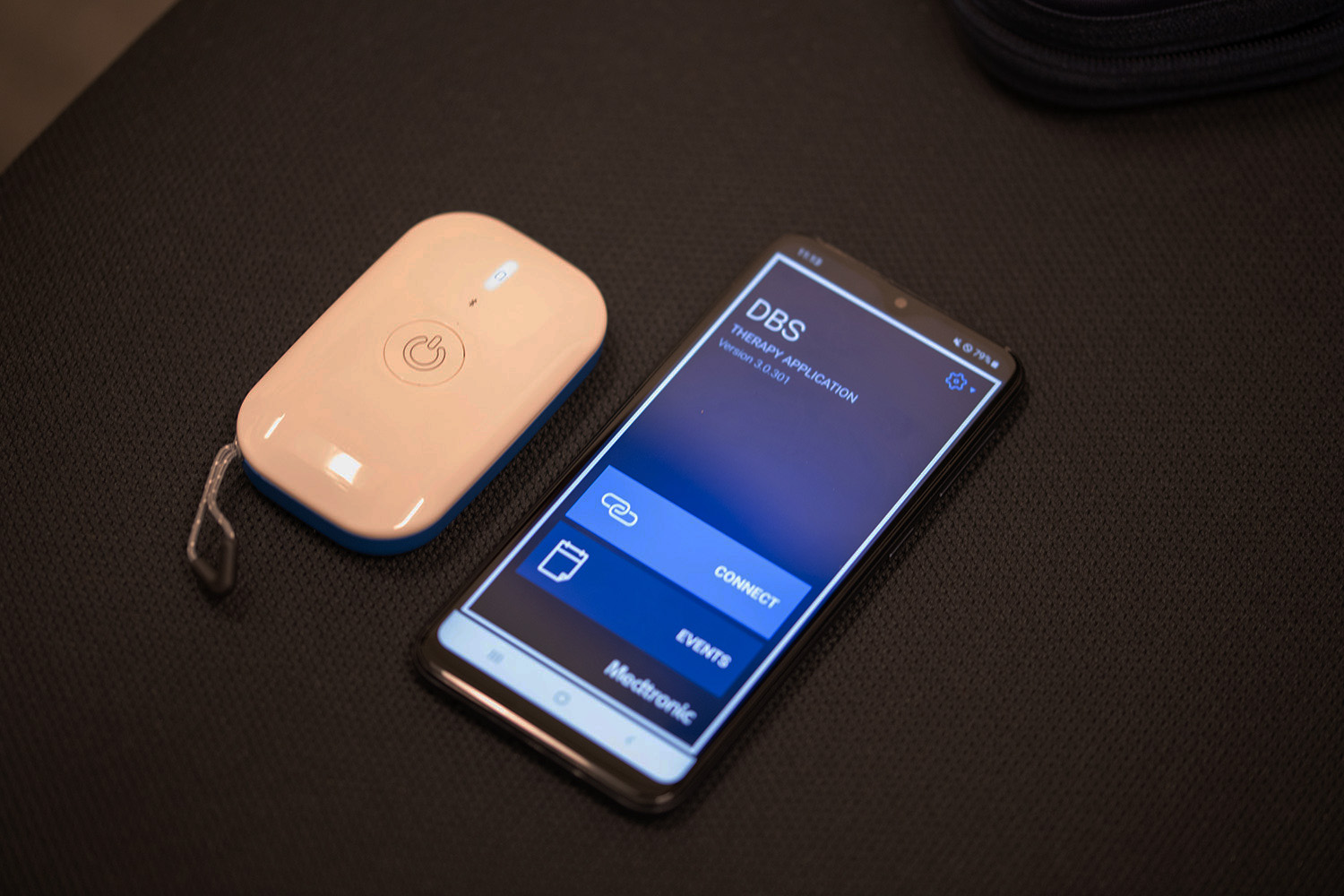
Optimizing DBS for Parkinson’s Disease & Stroke Rehabilitation
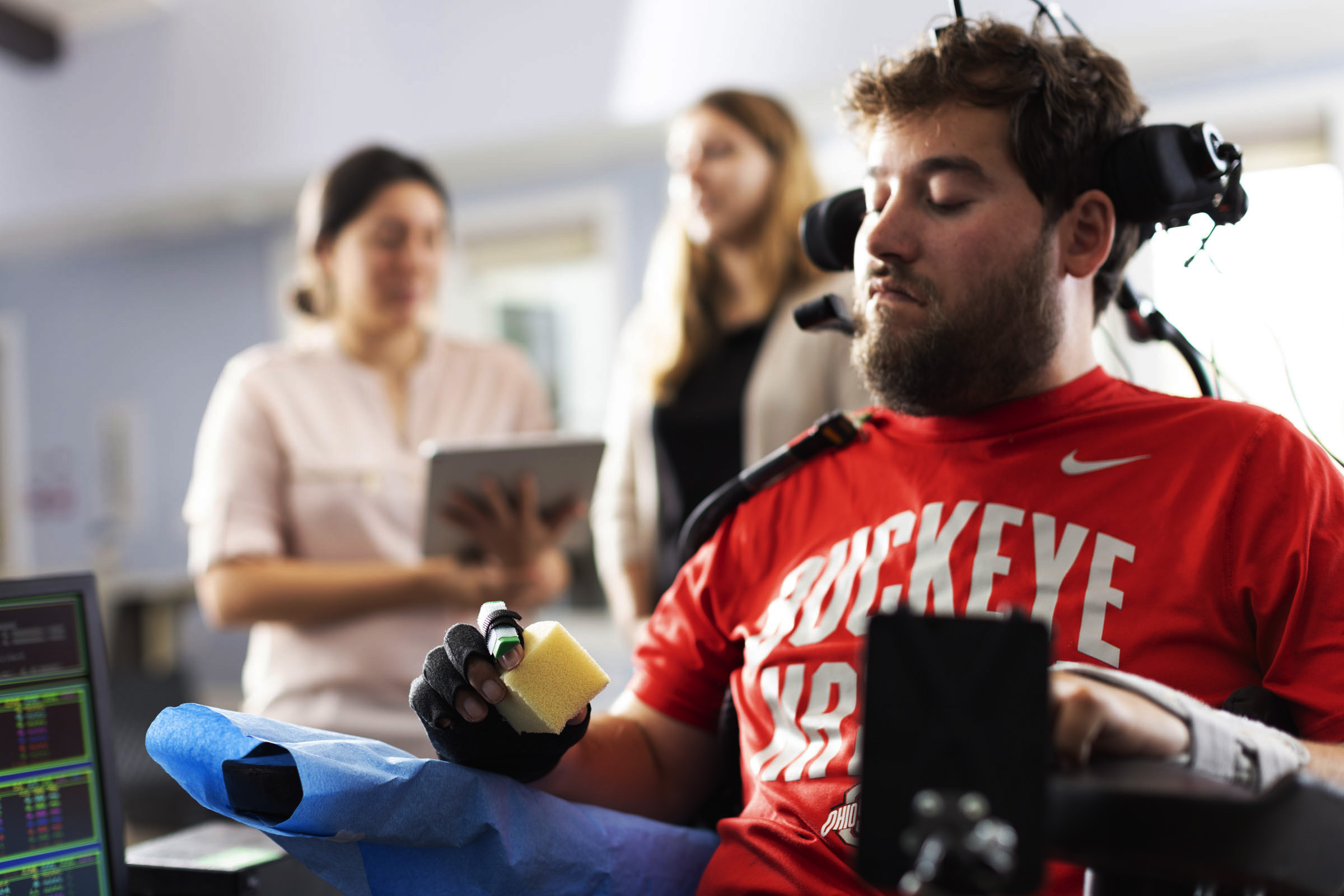
Microstimulation for spinal cord injury rehabilitation
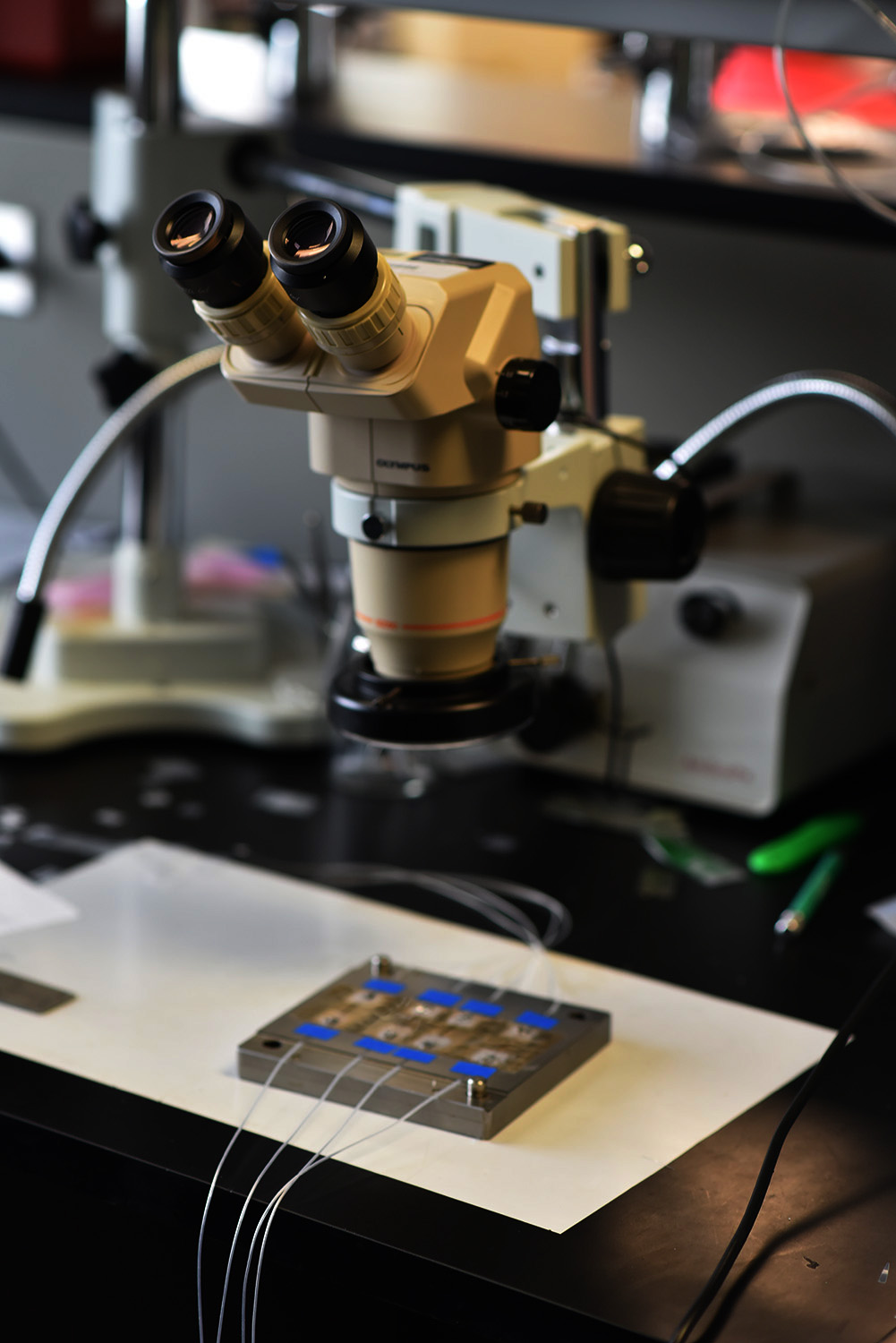
Assessing cardio-respiratory circuits & function
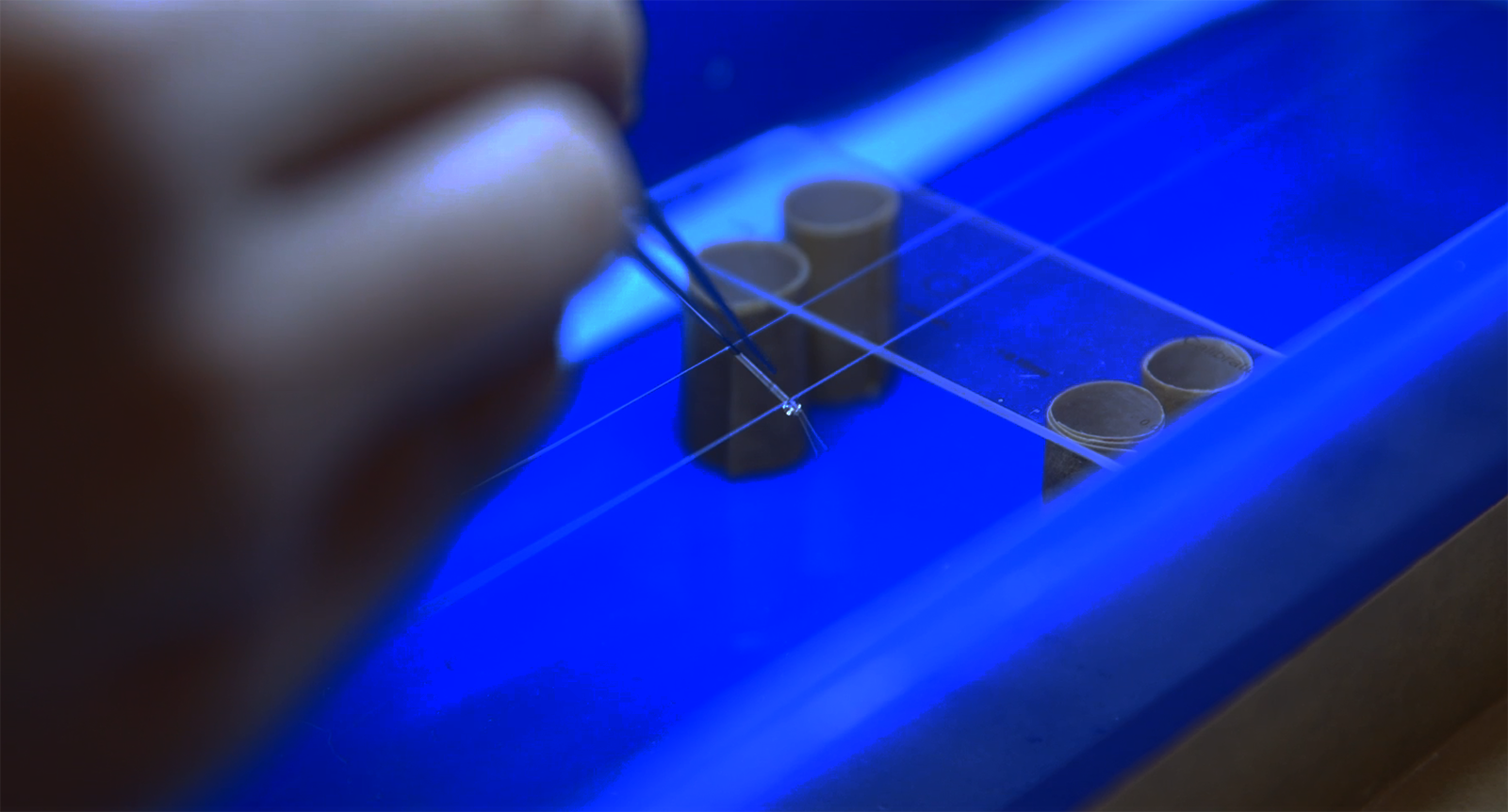
Seizure control and transcranial electric stimulation
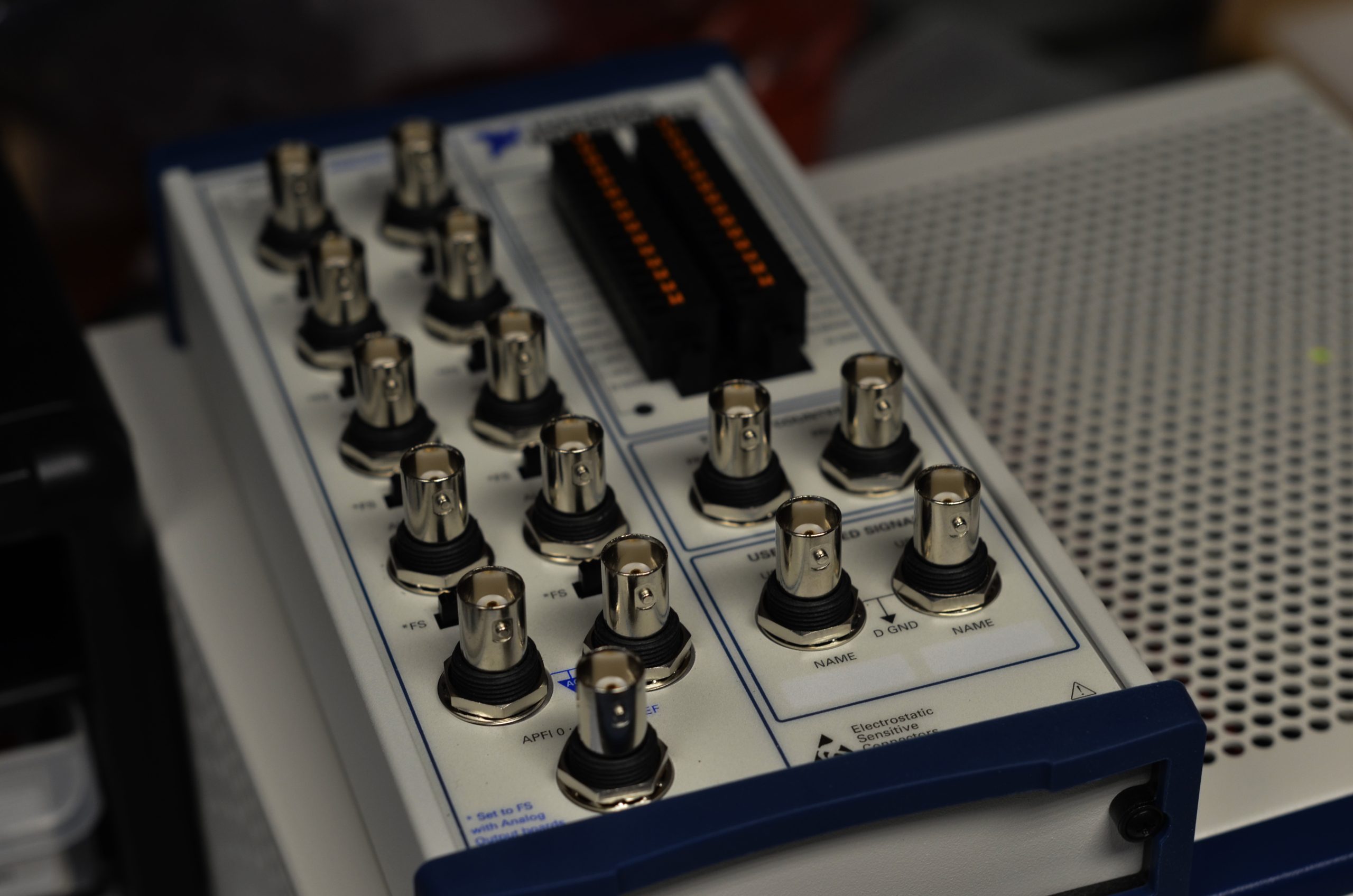
Pain management & detection
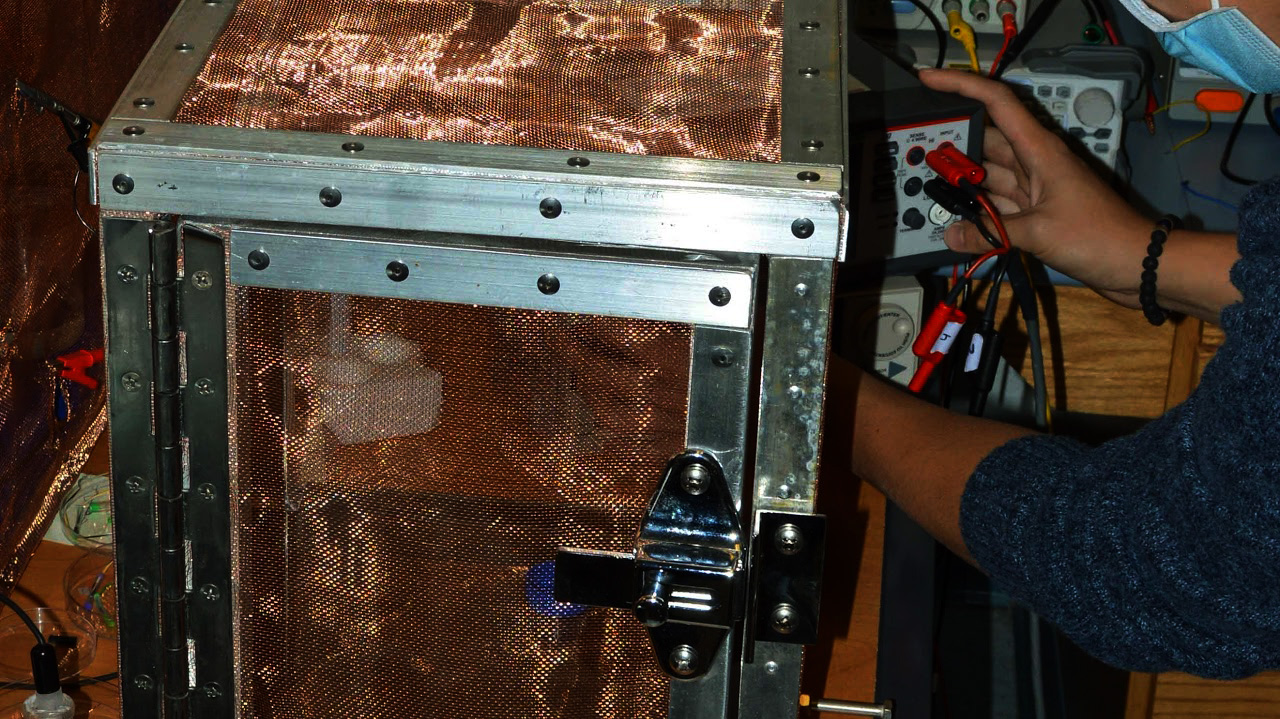
Electrode design for standing neuroprostheses
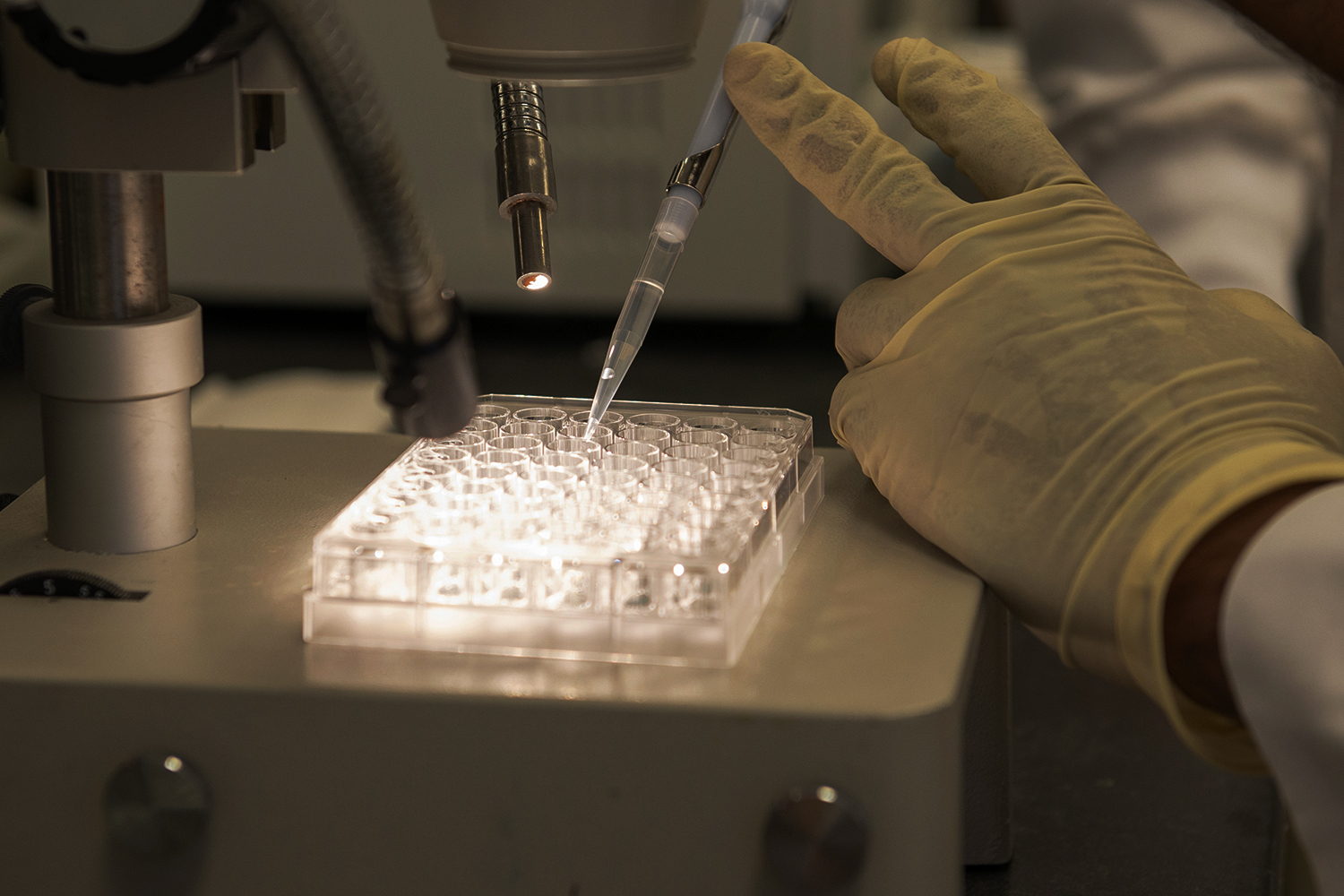
Neural control of the ocular surface
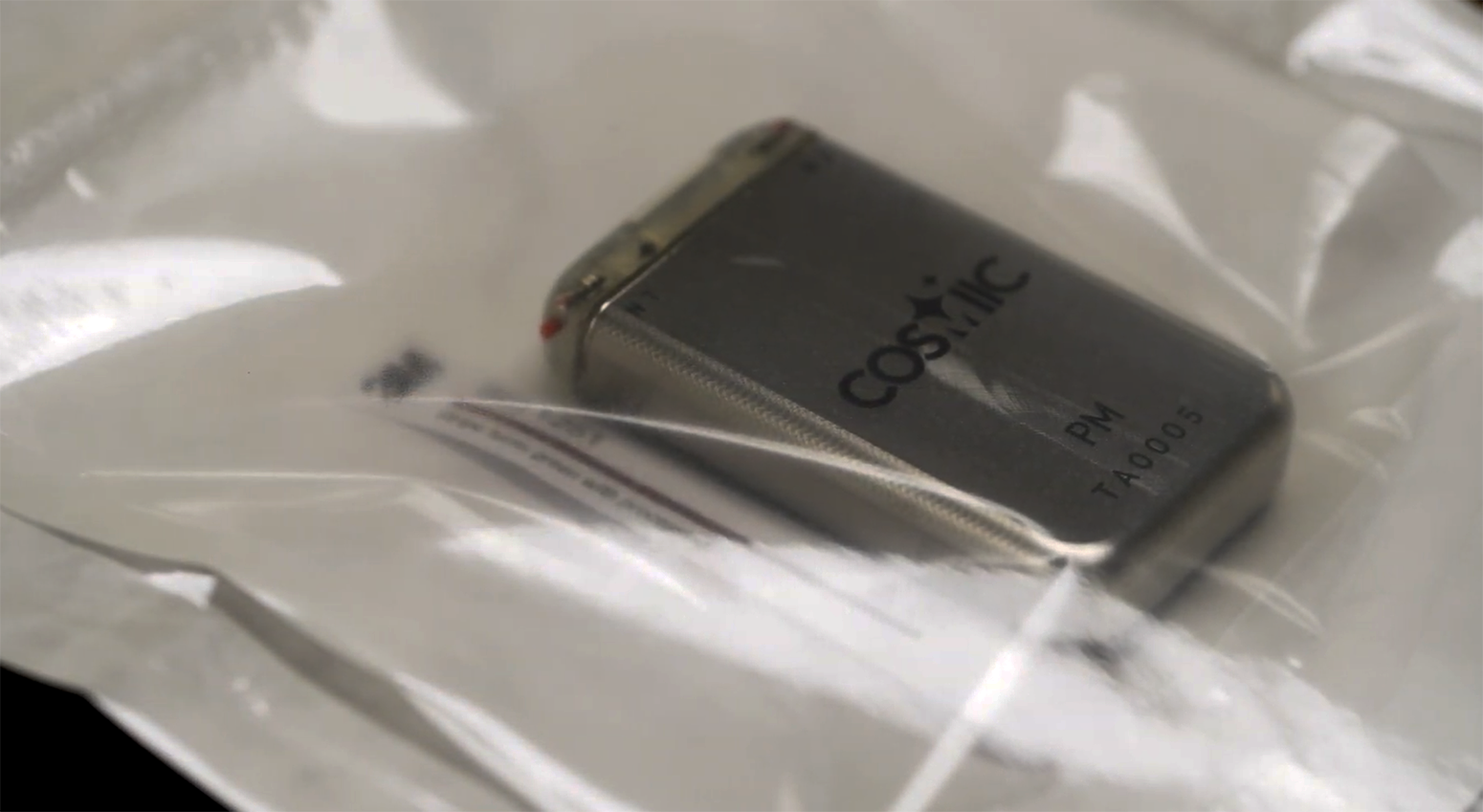
Establishing an open source, modular network of implantable devices