
Rebuilding Inter-Limb Transfer in Cervical Spinal Cord Injury
This study aims to examine the effects of paired neurostimulation plus contralateral motor training in people living with cervical spinal cord injury (SCI).
Cervical spinal cord injury (SCI) is the most common and severe type of SCI that can lead to paralysis of the trunk and all four limbs, also known as tetraplegia. People with tetraplegia place a high priority on regaining upper limb motor function to be independent in daily life. Despite intensive therapies, upper limb motor gains are slow to emerge, especially in chronic cases.
A critical barrier to effective and efficient upper limb rehabilitation in cervical SCI lies in the motor deficits of inter-limb transfer. Inter-limb transfer refers to a natural innate process within the human neuromotor system that motor skills acquired in one limb can transfer to the opposite, untrained limb, and is believed to play a key role in maximizing and accelerating post-injury recovery.
Inter-limb transfer however is deficient following cervical SCI due to a breakdown of inter-limb neural connections at the cortical and spinal levels. Prior studies in uninjured people indicate that neurostimulation can help with inter-limb transfer effects.
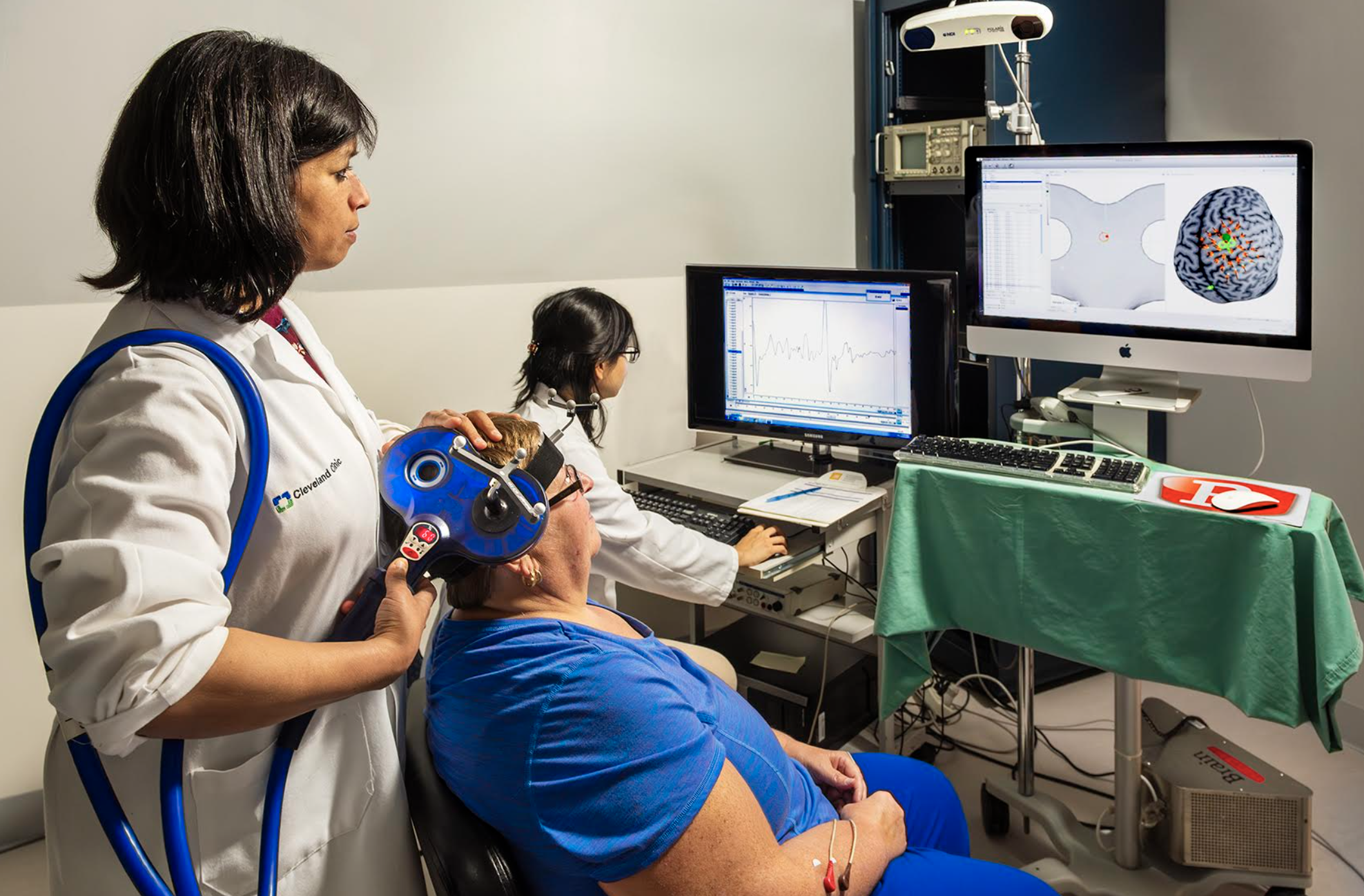
This study aims to rebuild inter-limb transfer of motor gains in chronic cervical SCI using a novel non-invasive neurostimulation method called paired corticospinal-motor neuronal stimulation (PCMS). Investigators will test the hypothesis that PCMS given to an untrained hand immediately before the visuomotor ballistic motor training at the other hand will improve inter-limb transfer of ballistic motor and dexterity skills to the untrained hand.
Detailed study information is available at https://clinicaltrials.gov/study/NCT06440538.
For More Information
Program Contact: Ela B. Plow PhD
Contact Request
The goal of this study is to rebuild inter-limb transfer of motor gains in chronic cervical SCI using a novel non-invasive neurostimulation method.
If you would like more information about becoming a research volunteer please submit the information below.