
Managing Pelvic Health after Spinal Cord Injury
Restoring pelvic health and function after spinal cord injury is among the top focus areas of SCI-related research.
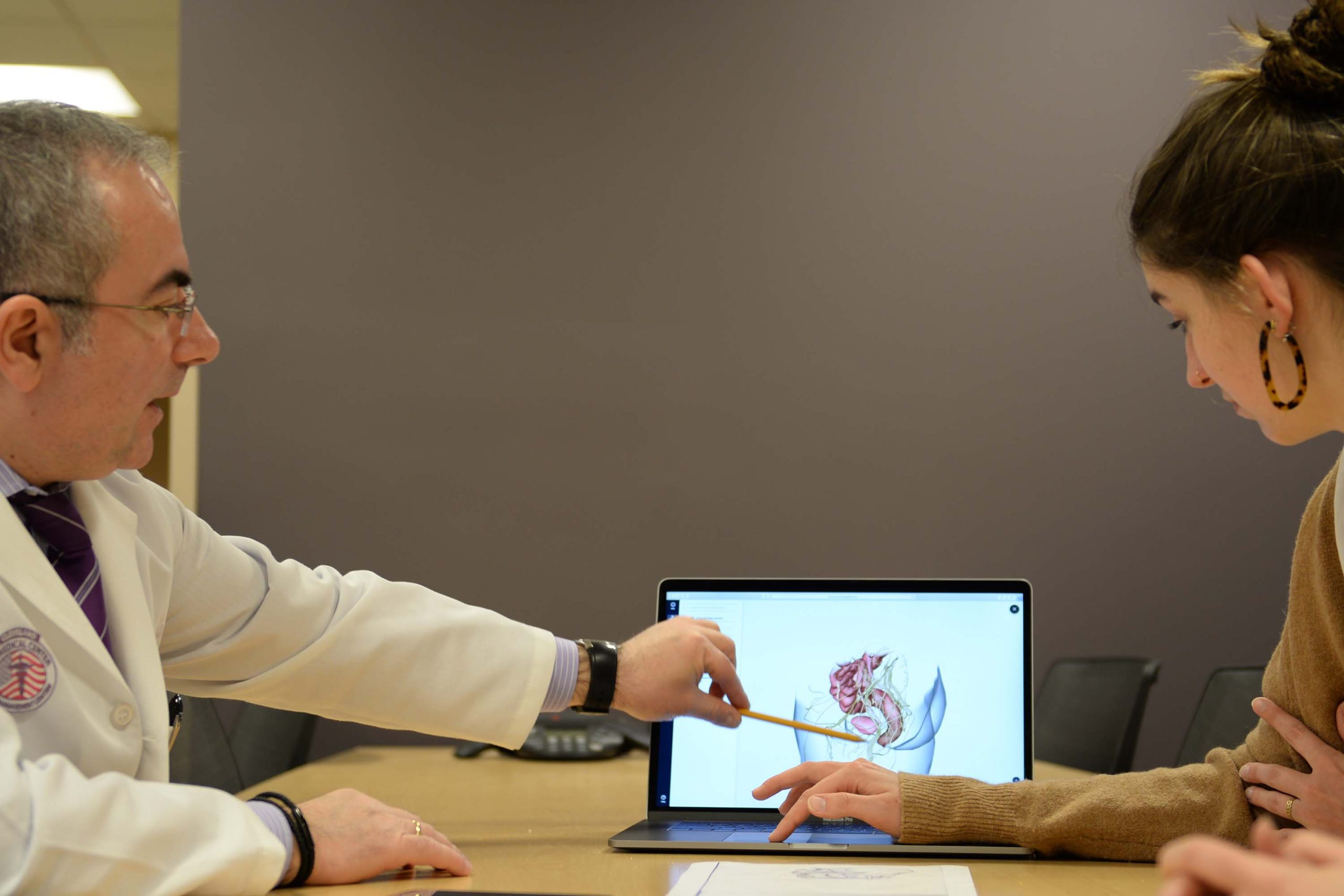
Spinal cord injury at any level often affects pelvic health, notably bladder and bowel control. The nerves controlling these organs attach to the base of the spinal cord and are therefore cut off from brain input. This results in bladder or bowel dysfunction, which is termed “neurogenic bladder” or “neurogenic bowel.”
Symptoms of neurogenic bladder include loss of bladder control (urinary incontinence), inability to empty the bladder, urinary infrequency, and urinary tract infections. Signs of neurogenic bowel include loss of bowel control (bowel incontinence), constipation, bowel infrequency, and lack of bowel movements.
Pelvic Health Programs Overview
Investigators at the FES Center explore several areas of research in bladder and bowel function with the overall goal of restoring pelvic health to individuals with neurological disease or injuries.