
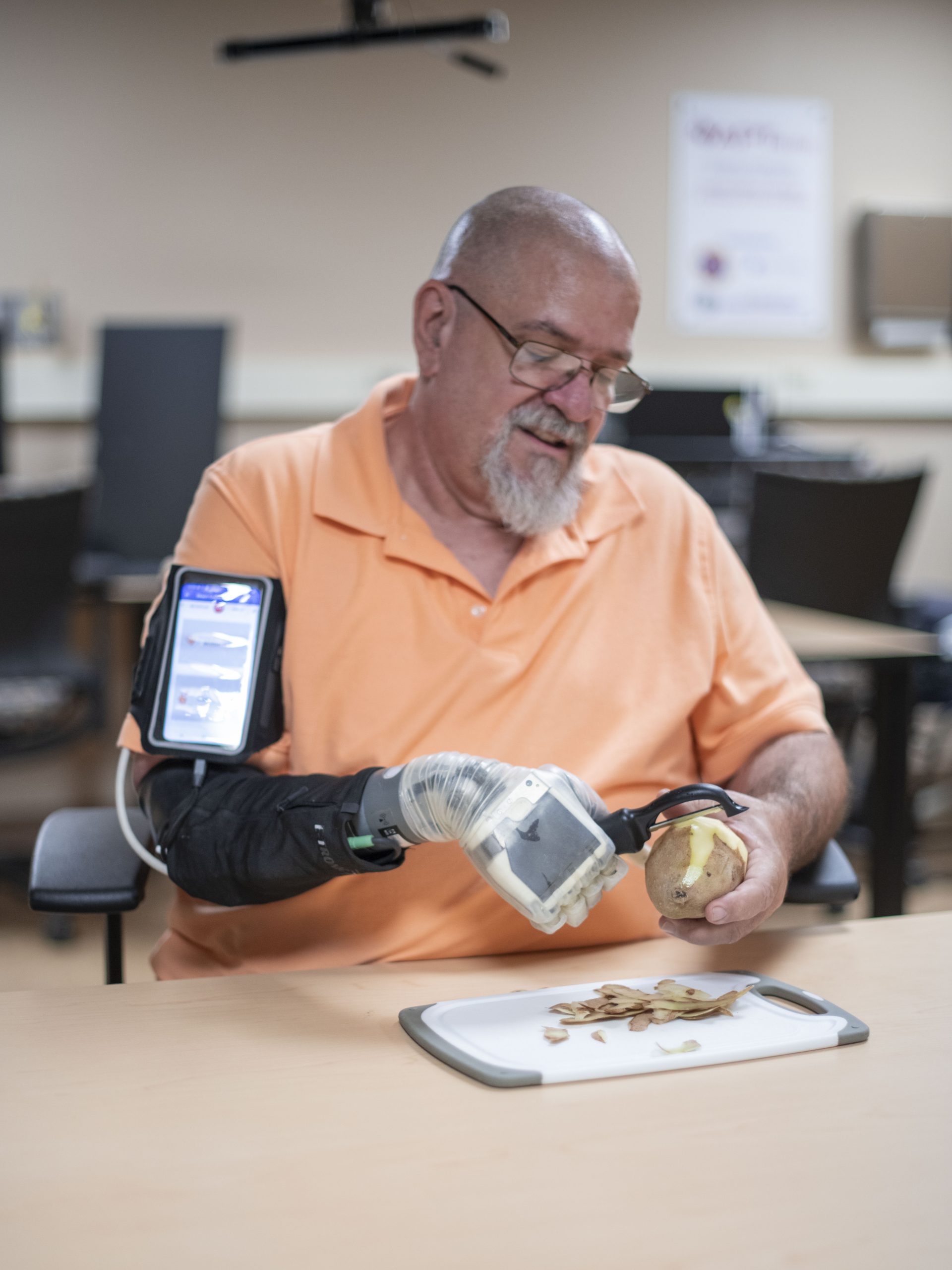
Optimizing Prosthetic Use after Limb Loss
Amputation is the removal of a limb by trauma, medical illness, or surgery. As a surgical measure, it is used to control pain or prevent a disease process in the affected limb, such as malignancy or gangrene. Surgical measures also remove damaged tissue and can preserve the health and function of the rest of the body. Common causes of amputation are peripheral arterial disease and trauma.
Living with limb loss involves maintaining limb strength and joint range, occupational therapy and often the use of a removable prosthetic.
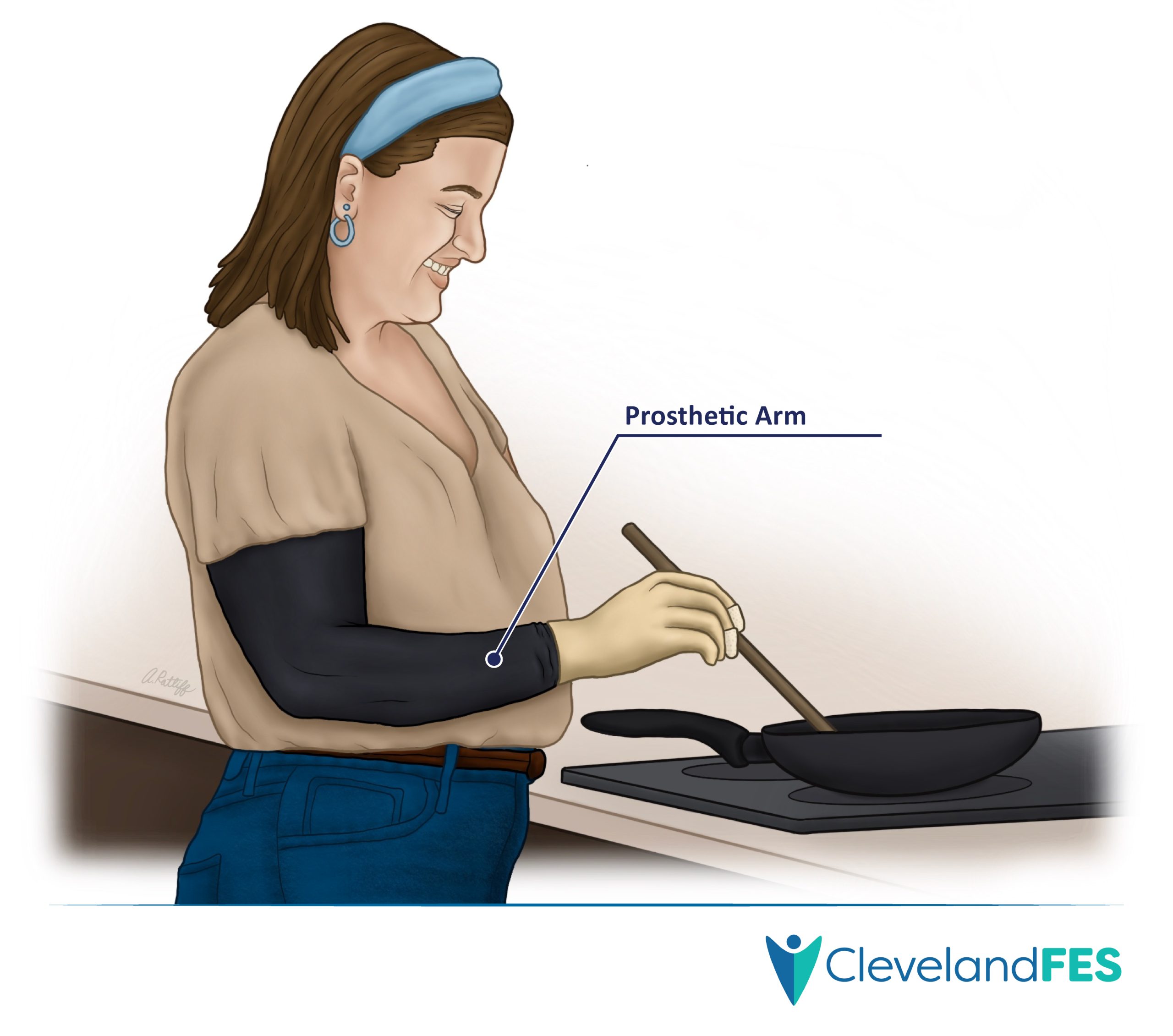
Amputee Research Programs
The FES Center’s research surrounding rehabilitation after limb loss focuses on optimizing prostheses and studying the use of various types of interfaces to provide sensorimotor integration with prosthetic devices.
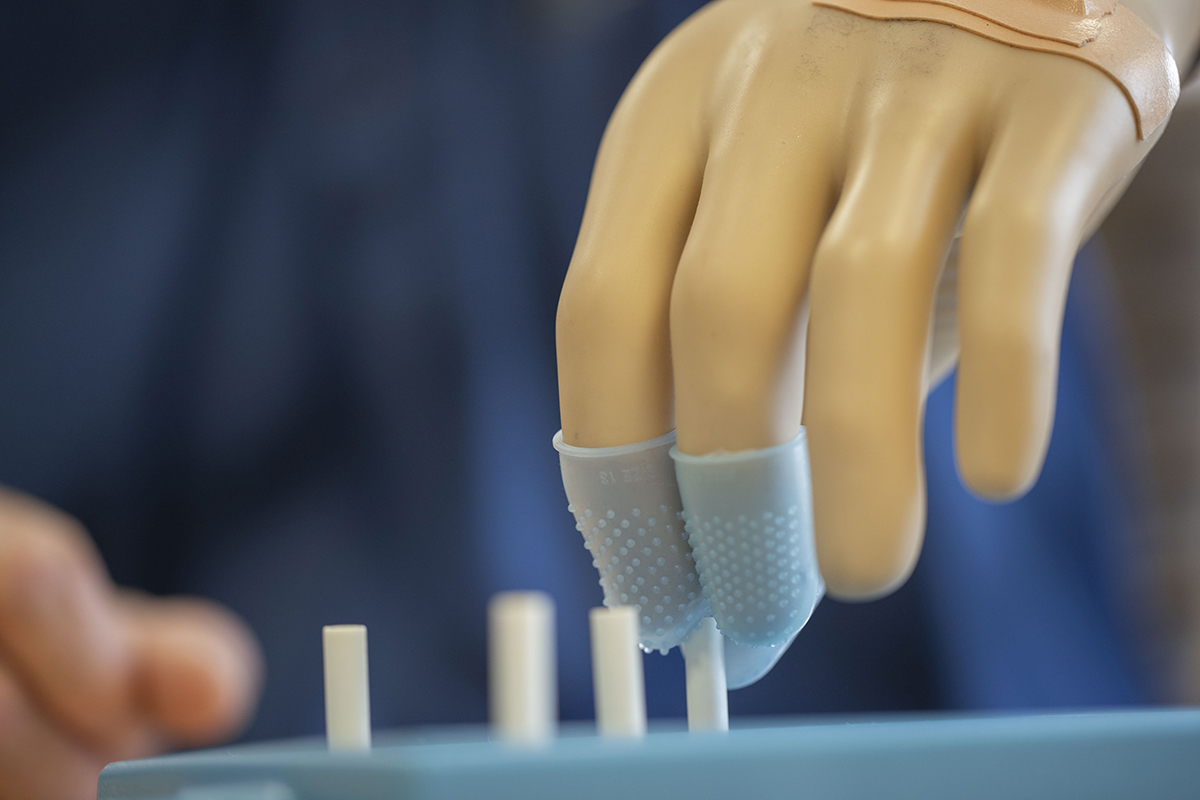
Peripheral Interfaces for Sensorimotor Integration
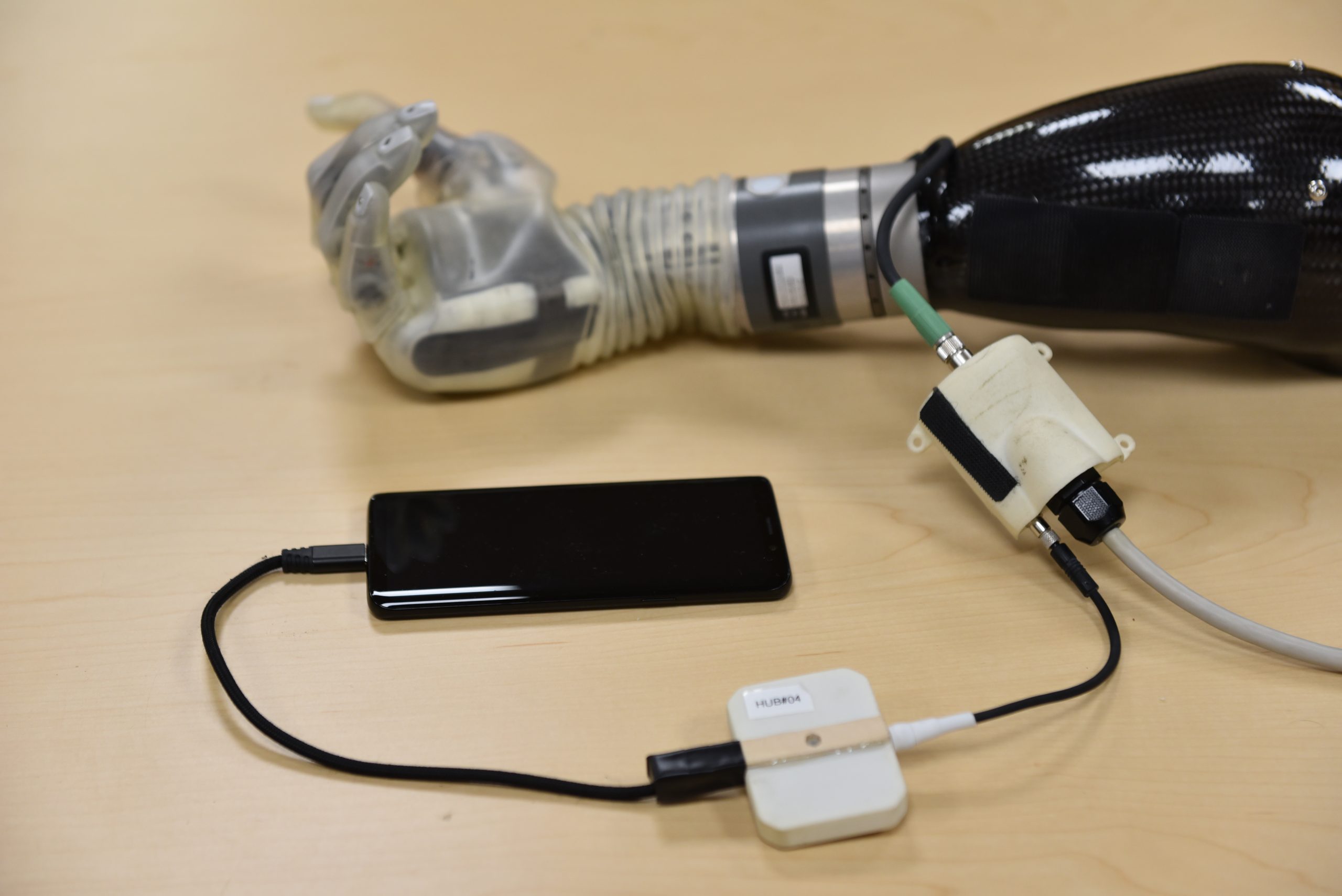
 Experience of Upper Limb Prosthesis Users
 Restoring Proprioception After Limb Loss