
Neural Control of the Ocular Surface
Current studies are exploring the use of light to manage pain, and how to characterize a person’s sense of pain using brain rhythms and behavioral models.
New technologies, methods and models are needed to advance our scientific understanding of how the nervous system maintains the surface of the eye.
The ocular surface and tear film-secreting glands are carefully controlled to provide an optically smooth, low-scattering surface with appropriate immune and injury responses. Sensory feedback to maintain the structural and functional integrity of the ocular surface is provided by the corneal nerves, which send feedback from stimuli to ganglia and brain regions to drive production of tear film components as well as the blink reflex.
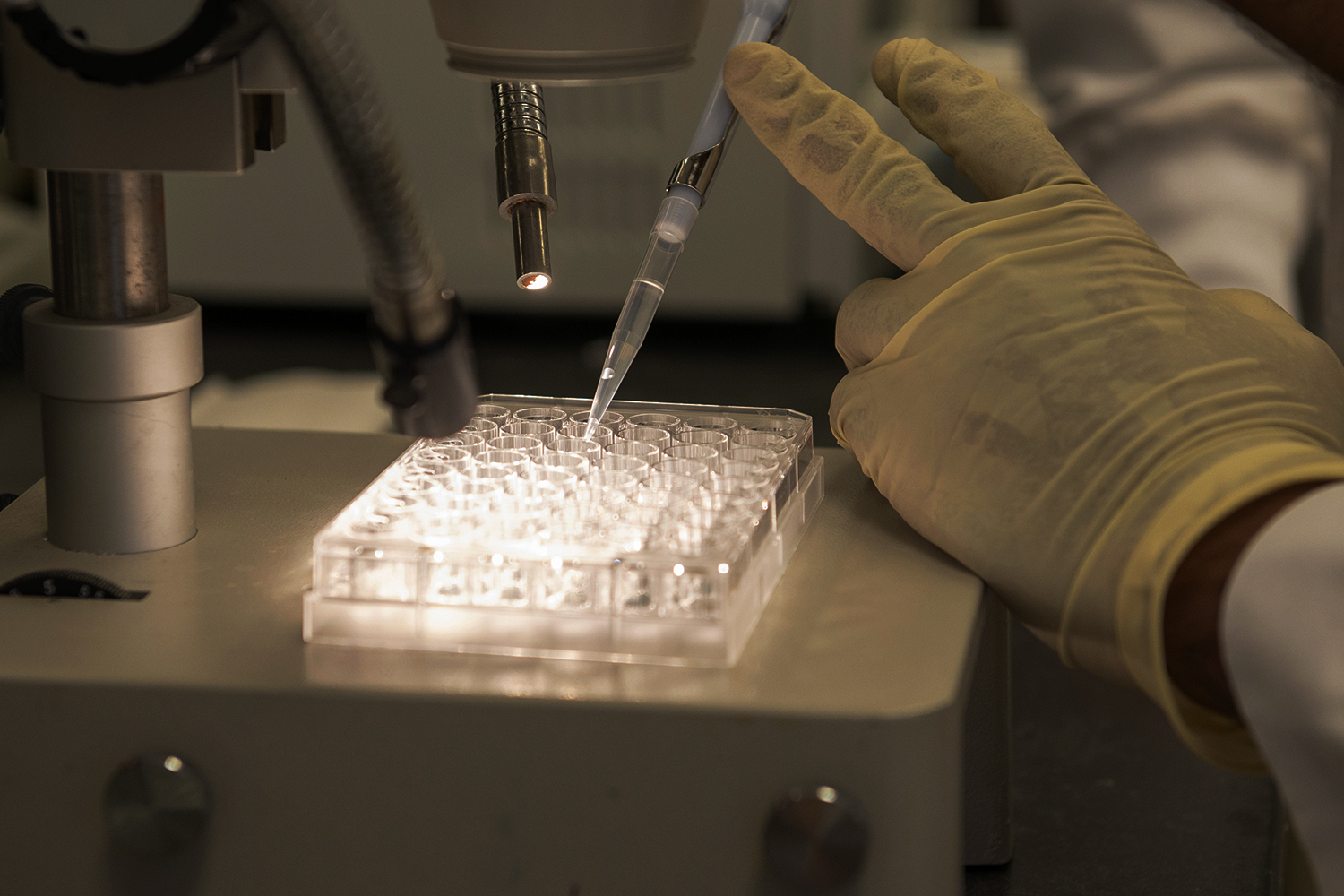
This delicate balance of neural control is disrupted by damage, peripheral neuropathies, inflammation and further complicated by a wide array of immune responses to various diseases. Dysfunction of this feedback loop can lead to a downward spiral of further dysregulation.
To find remedies, it is first essential to understand the underlying neural control system and how it adapts to its environment. In this study, researchers aim to bring new tools and models to study molecular, cellular, and functional interactions across systems responsible for neural control of the ocular surface and examine how they change under different inflammatory and pain conditions.
For More Information
Principal Investigator: Michael Jenkins PhD