
EMG Controlled Device in Acute Rehabilitation After Acute Stroke
This study aims to explore the feasibility of implementing an EMG-controlled device in the acute rehabilitation for stroke survivors with severe arm deficit.
Individuals with stroke experience a high amount of arm functional deficits despite receiving rehabilitation. Functional deficits can be improved by combining rehabilitation with innovative rehabilitative tools that target the brain mechanisms that guide the recovery early after stroke.
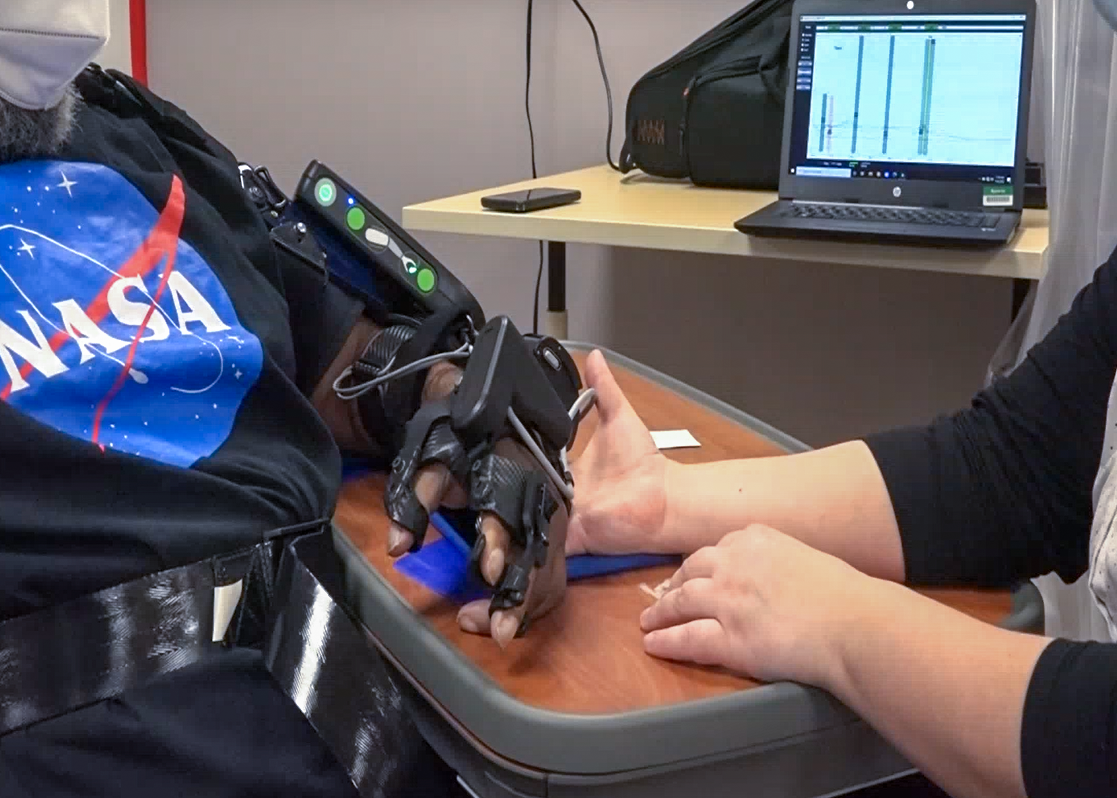
This study aims to explore the feasibility of implementing an EMG-controlled device in the acute rehabilitation for stroke survivors with severe arm deficit. This study will determine if adding such a technology improve the clinical outcomes for subjects with severe arm impairments beyond the levels achieved by standard care in attempt to increase their chances to independently perform activities of daily living.
During the first weeks after the onset of stroke, the injured brain undergoes several neural mechanisms in an effort to reorganize the neural connectivity and repair the damaged tissue around the injury region. Several studies revealed that rehabilitation during this acute period of injury might enhance the functional outcome of the paretic arm. Specifically, it has been suggested that novel interventions that interact with the neuroplastic mechanisms of recovery are particularly needed for stroke survivors with severe initial arm impairments.
The rationale of this study is to explore if an EMG-controlled device can be added to the acute rehabilitation for stroke subjects with severe arm deficit. The study will also investigate if the application of such a device would lead to an even better enhancement of clinical outcomes compared to standard care. The study will test the premise that adding practice with an EMG-controlled device to the acute rehabilitation of subjects with severe arm impairments acts as novel rehabilitative tool that interacts with the neuroplastic mechanisms of recovery to enhance clinical outcomes for these subjects.
Detailed study information is available at https://clinicaltrials.gov/study/NCT05866003.
For More Information
Program Contact: Ahlam Salameh PhD, MSc
Contact Number: (216) 791-3800 ext. 63417
Contact Email: Ahlam.Salameh@va.gov
Contact Request
If you would like more information about becoming a research volunteer please submit the information below.