
Kirsch, Robert, Ph.D.

Research Statement

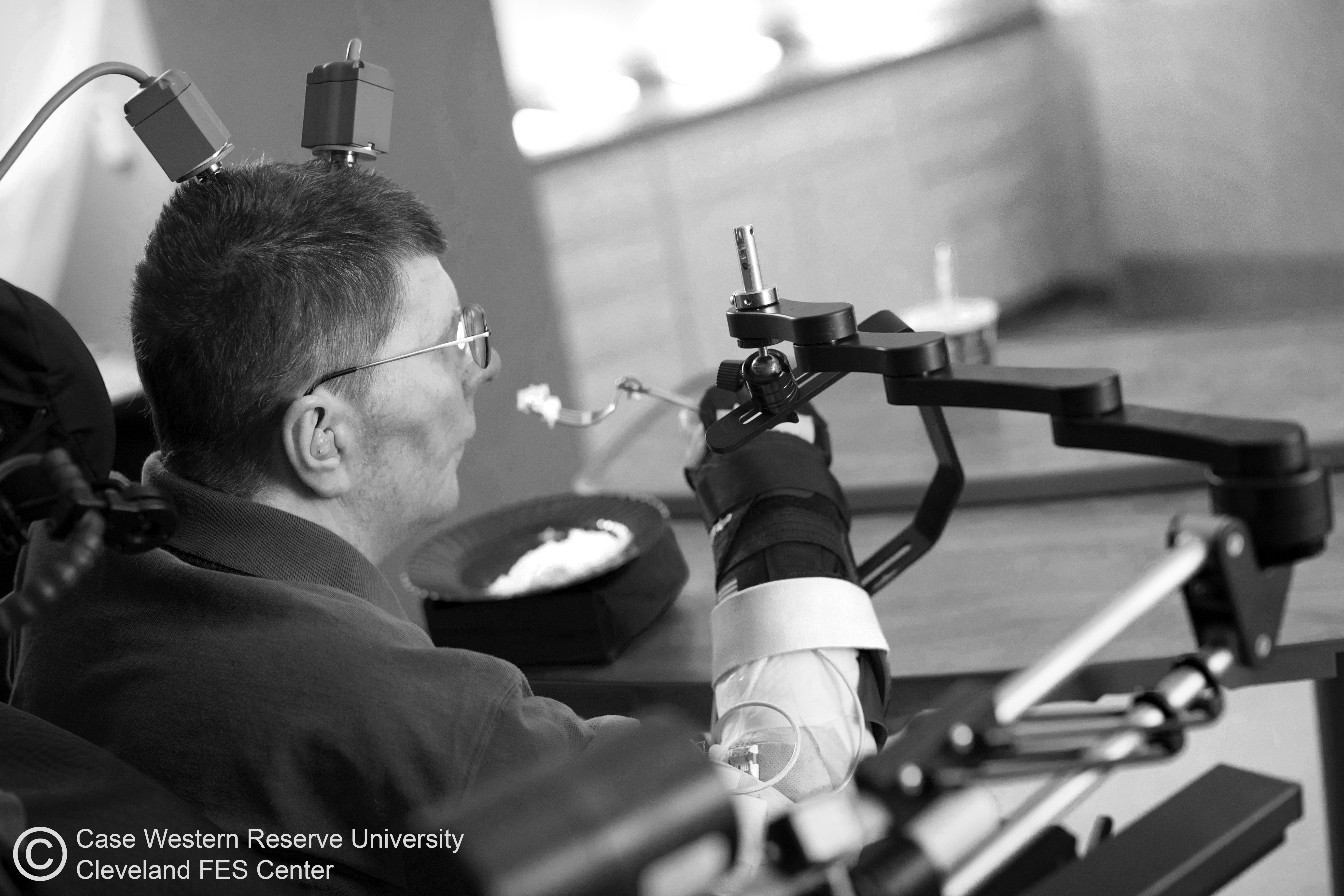
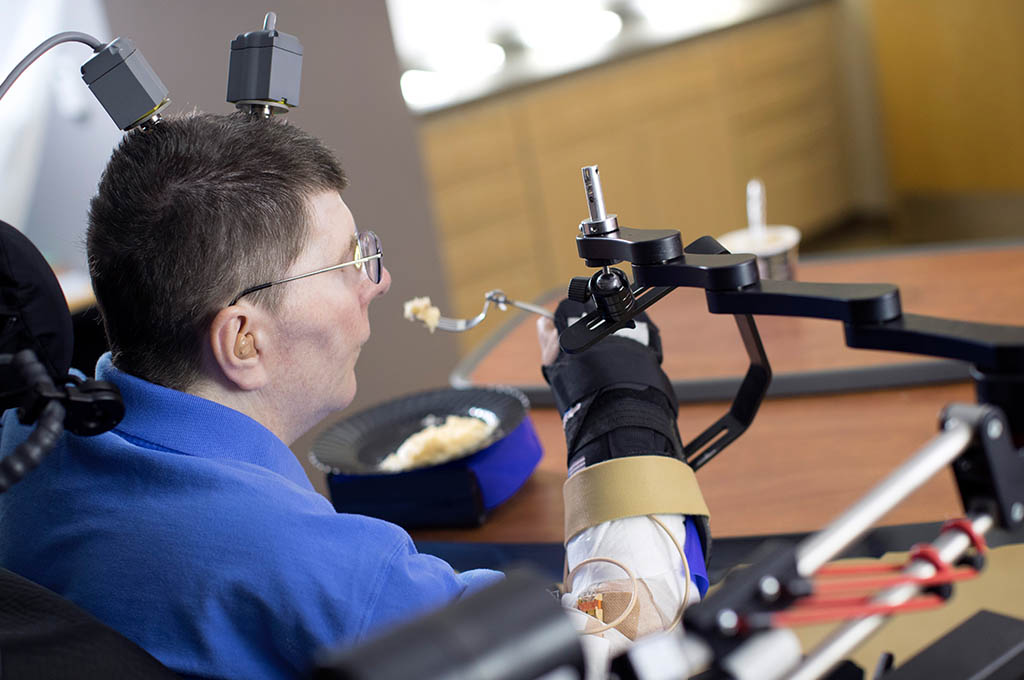
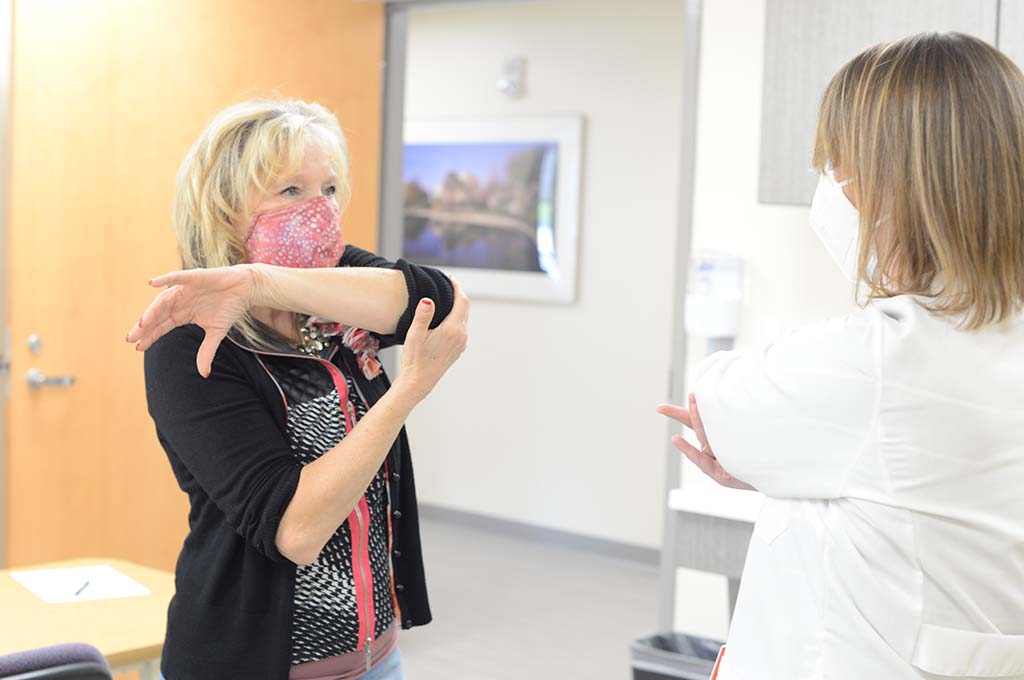
Since I joined the FES Center in 1993, my primary research area has been the restoration of arm function in individuals with paralysis resulting from cervical spinal cord injury, primarily through the use of FNS. I have four main areas of interest:

  • Using a model of the shoulder adapted to reflect cervical spinal cord injuries to evaluate potential interventions and control strategies.
  • Determining the three dimensional stiffness properties of the arm.
  • Using EMG from voluntary muscles in C5-C6 level injury as control signal for shoulder/elbow prosthesis.
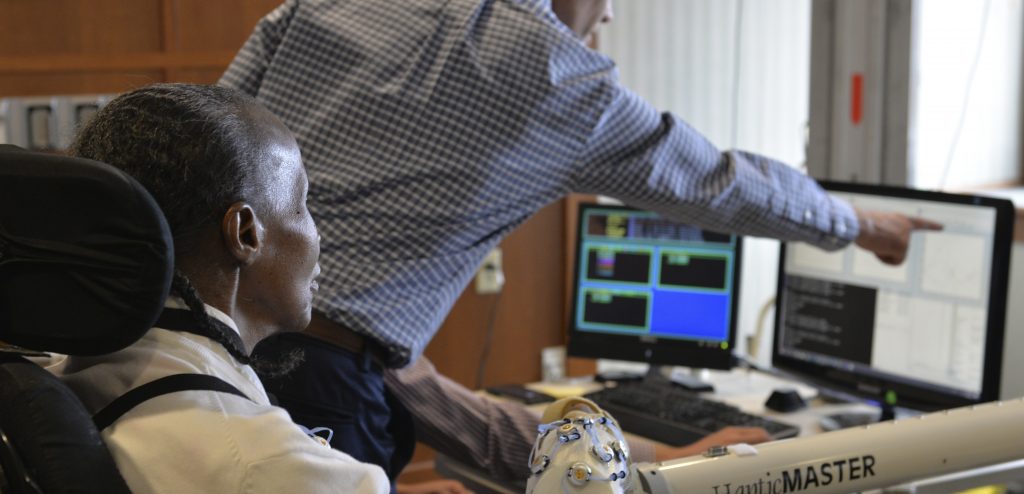
  • Restoring arm movements in individuals with high cervical spinal cord injury.

    Professional Affiliations

    • Associate Director of Research, Cleveland FES Center
    • Professor, Department of Biomedical Engineering, Case Western Reserve University, Cleveland, Ohio
    • Research Career Scientist and Biomedical Engineer, Louis Stokes Cleveland VA Medical Center, Cleveland, Ohio
    • Bioscientific Staff, Department of Orthopaedics, MetroHealth Medical Center, Cleveland, OH

    Publications (Select)

      • Lambrecht JM, Audu ML, Triolo RJ, Kirsch RF. Musculoskeletal model of trunk and hips for development of seated-posture-control neuroprosthesis. J Rehabil Res Dev. 2009;46(4):515-28. PubMed PMID: 19882486.
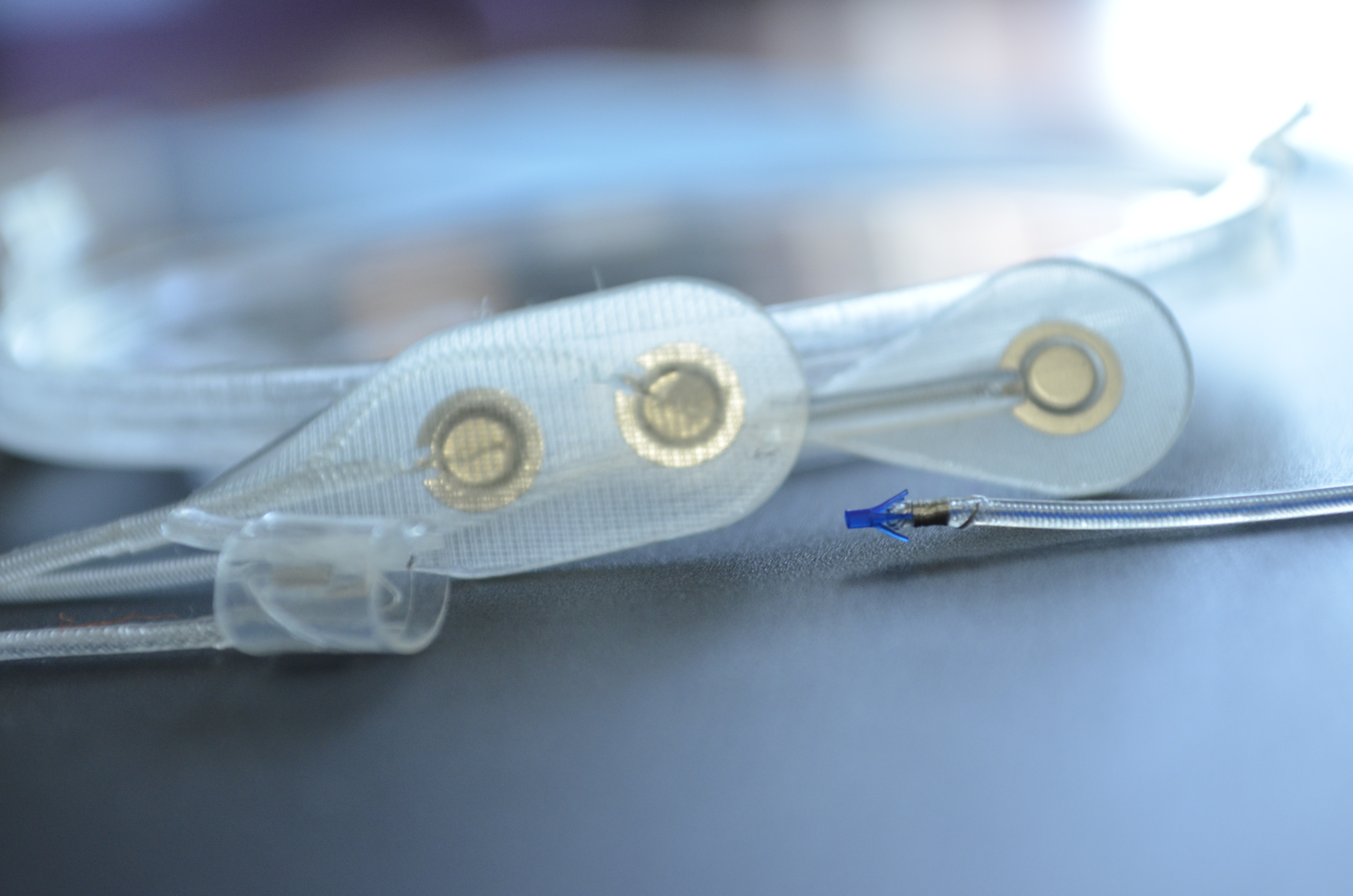
      • Polasek KH, Hoyen HA, Keith MW, Kirsch RF, Tyler DJ. Stimulation stability and selectivity of chronically implanted multicontact nerve cuff electrodes in the human upper extremity. IEEE Trans Neural Syst Rehabil Eng. 2009 Oct;17(5):428-37. Epub 2009 Sep 22. PubMed PMID: 19775987.
      • Pohlmeyer EA, Oby ER, Perreault EJ, Solla SA, Kilgore KL, Kirsch RF, Miller LE. Toward the restoration of hand use to a paralyzed monkey: brain-controlled functional electrical stimulation of forearm muscles. PLoS One. 2009 Jun 15;4(6):e5924. PubMed PMID: 19526055; PubMed Central PMCID: PMC2691481.
      • Blana D, Kirsch RF, Chadwick EK. Combined feedforward and feedback control of  a redundant, nonlinear, dynamic musculoskeletal system. Med Biol Eng Comput. 2009 May;47(5):533-42. Epub 2009 Apr 3. PubMed PMID: 19343388.
      • Chadwick EK, Blana D, van den Bogert AJ, Kirsch RF. A real-time, 3-D musculoskeletal model for dynamic simulation of arm movements. IEEE Trans Biomed  Eng. 2009 Apr;56(4):941-8. Epub 2008 Sep 26. PubMed PMID: 19272926.
      • Hincapie JG, Kirsch RF. Feasibility of EMG-based neural network controller for an upper extremity neuroprosthesis. IEEE Trans Neural Syst Rehabil Eng. 2009 Feb;17(1):80-90. PubMed PMID: 19211327.
      • Gartman SJ, Audu ML, Kirsch RF, Triolo RJ. Selection of optimal muscle set for 16-channel standing neuroprosthesis. J Rehabil Res Dev. 2008;45(7):1007-17. PubMed PMID: 19165690.
      • Williams MR, Kirsch RF. Evaluation of head orientation and neck muscle EMG signals as command inputs to a human-computer interface for individuals with high tetraplegia. IEEE Trans Neural Syst Rehabil Eng. 2008 Oct;16(5):485-96. PubMed PMID: 18990652.
      • Hincapie JG, Blana D, Chadwick EK, Kirsch RF. Musculoskeletal model-guided, customizable selection of shoulder and elbow muscles for a C5 SCI neuroprosthesis. IEEE Trans Neural Syst Rehabil Eng. 2008 Jun;16(3):255-63. PubMed PMID: 18586604.
      • Blana D, Hincapie JG, Chadwick EK, Kirsch RF. A musculoskeletal model of the upper extremity for use in the development of neuroprosthetic systems. J Biomech. 2008;41(8):1714-21. Epub 2008 Apr 16. PubMed PMID: 18420213; PubMed Central PMCID: PMC2586642.

      Research Programs

      • User-based Control of FES-based Standing Neuroprosthesis, Department of Veterans Affairs Rehabilitation, Research and Development Service
      • Restoration of Hand and Arm Function by Functional Neuromuscular Stimulation, National Institutes of Health
      • Controller Development for Upper Limb Movement

      Contact Information

      Contact Name: Laura Polacek
      Contact Number: (216)778-3480
      Contact Email: lkp3@case.edu, rfk3@case.edu